


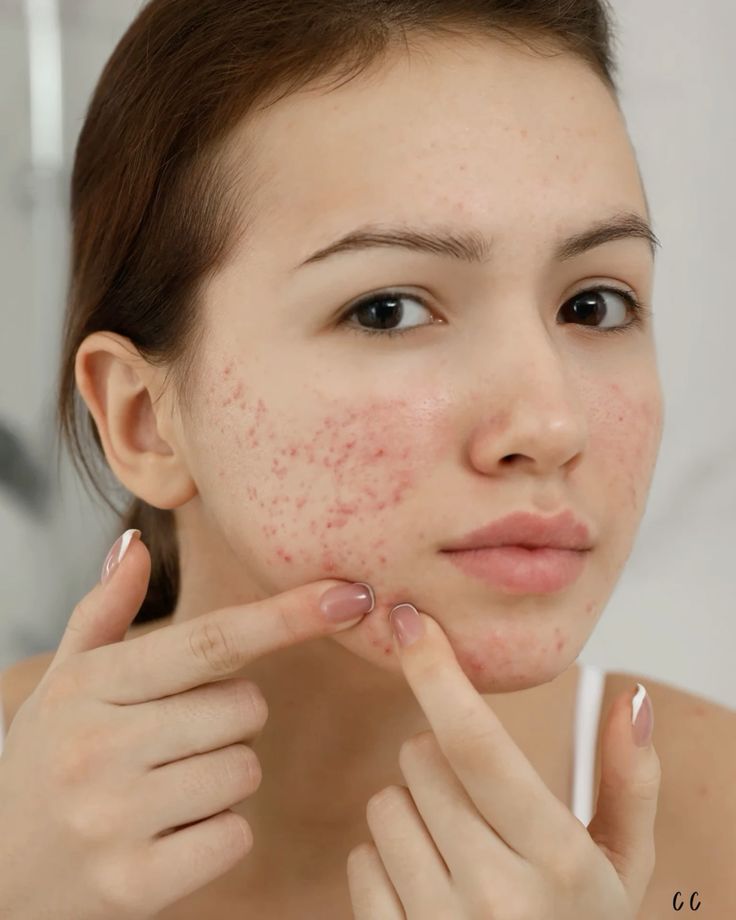

Why is Roaccutane Treatment Applied?
Roaccutane (isotretinoin) is a powerful drug used especially for severe acne problems. It reduces the oil production that causes acne, cleans the pores and suppresses inflammation in the skin. In this way, serious improvement is achieved in the skin. However, some people may have skin tone inequalities and spots after the treatment.
Do Stains Form After Roaccutane?
While Roaccutane heals acne, it can leave behind scars and color changes. Hyperpigmentation in the form of red or brown spots can be seen on the skin, especially after inflammatory acne heals. This condition is not permanent, but if left untreated, it can remain on the skin for a long time.
When Should Treatment Be Started?
The skin remains sensitive for a while after Roaccutane treatment ends. For this reason, it is generally recommended to wait 6 months after stopping the drug to start stain treatment. This process is important for the skin to recover and respond better to the treatment.
Which Treatments Are Preferred?
Gentle but effective applications are generally preferred for spots after Roaccutane. Mesotherapy, PRP (platelet rich plasma), chemical peeling, laser treatments and medical skin care can be effective during this period. A personalized treatment plan suitable for the skin structure should be prepared.
Why is Sun Protection Necessary?
Using Roaccutane makes the skin more sensitive to the sun. The risk of sun spots also increases in the post-treatment period. Therefore, high protection factor sunscreens should definitely be used during the spot treatment process and direct sun exposure should be avoided.
What Can Be Done At Home?
Anti-spot serums, tonics containing AHA-BHA, vitamin C supplements and regular moisturizing can be used in home care as a support to professional treatments. However, it is important to recommend these products under the supervision of a doctor so that they do not cause skin irritation.
In Conclusion...
Skin spots after Roaccutane can be demoralizing, but they can be largely eliminated when treated at the right time and with the right methods. Skin requires patience; therefore, continuing the process regularly and professionally brings the most effective results.
 Call
Call
 Whatsapp