


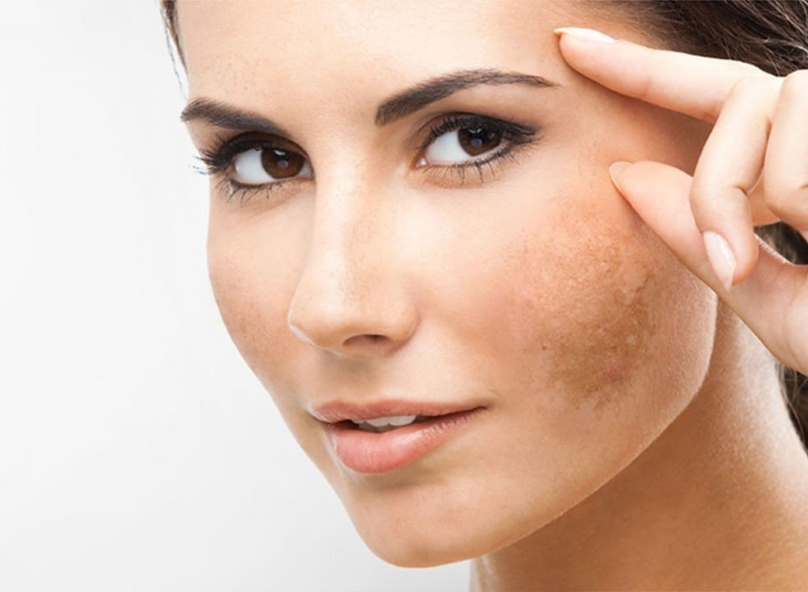

Spotted face is an unwanted appearance problem caused by pigment changes in the skin. The color of these spots can usually be brown, red or white and can appear in different areas of the face. Spotted face can negatively affect a person's confidence and sense of well-being.
Spotted face can be caused by many factors. Excessive exposure to sunlight, hormonal changes, skin diseases and other environmental stressors can cause spotty face. This problem can also affect personal care routine and use of cosmetic products.
The treatment of spotty face can vary depending on the type of spot, skin type and underlying causes. Some effective treatment methods include chemical peeling, laser treatment, vitamin C serums and natural skin care products.
Causes of spotty face
Spotted face can have many causes, but the most common ones are:
Sun damage: Excessive exposure to UV rays causes the melanin pigment to overproduce, leading to spotty face.
Hormonal changes: Hormonal changes such as pregnancy, menopause or birth control pills can contribute to the formation of spots on the skin.
Skin conditions: Skin conditions such as acne, rosacea or melasma can cause pigment changes in the skin.
Medication: Some medications can affect skin pigmentation, leading to a blotchy face.
Injury or infection: Skin injuries or infections can cause blotches.
Stress: High levels of stress can contribute to a blotchy face by increasing cortisol levels in the body.
Understanding these causes is important in determining appropriate treatment methods.
Effects of a blotchy face
A blotchy face can have significant effects on a person's mental health and self-esteem:
Psychological effects: A blotchy face can make a person feel insecure and shy. This can negatively affect their social relationships and daily life.
Social effects: A blotchy face can attract attention and cause them to be subject to negative comments. This can reduce their willingness to participate in social activities.
Occupational effects: A blotchy face can be a disadvantage in some professions. For example, people who work face-to-face with customers may be negatively evaluated because of their blotchy face.
Financial impact: Treatment of blemished face can be costly and can affect a person's financial situation.
Health impacts: Some blemishes can be a symptom of underlying health problems and can lead to more serious health problems if not treated in time.
In order to minimize the effects of blemished face, early diagnosis and appropriate treatment methods are important.
Tips for preventing blemished face
You can consider the following tips for preventing blemished face:
Sun protection: Use high-protection factor sunscreen every day to minimize exposure to sunlight.
Skin care routine: Create a skincare routine by regularly cleansing, moisturizing and using blemish-removing products.
Healthy diet: Consuming foods containing antioxidants and vitamins can support skin health.
Stress management: Reduce your stress level by doing yoga, meditation or regular exercise.
Balancing hormones: Consult your doctor to control the factors that cause hormonal changes.
Natural skin care products: Using chemical-free, natural products can prevent blemishes.
Professional help: For serious blemish problems, seek help from experts such as a dermatologist or aesthetician.
To prevent and treat blemishes, it is important to regularly review your personal care routine and take the necessary steps.
 Call
Call
 Whatsapp