


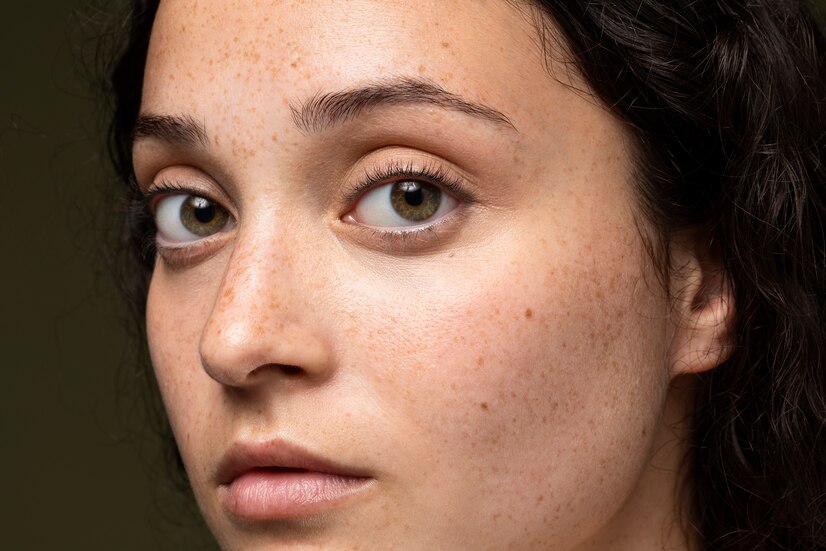

What is a Stain?
A stain is a color change or mark on the skin. It occurs as a result of an increase or decrease in the production of melanin (color pigment) in the skin. These changes can usually manifest themselves as brown, red or white spots on the skin over time. Stains are mostly harmless, but sometimes they can be a symptom of health problems in the skin. Therefore, understanding the causes of stains is very important in terms of choosing the right treatment method.
Types of Stains
Spots on the skin can be of different types. They can occur for different reasons, both aesthetically and health-wise. The most common types of stains are:
Pigmented Stains:
They occur with an increase in pigment (melanin). They usually occur as a result of sun exposure, aging or hormonal changes. Freckles, age spots and sun spots are among the pigmented spots.
Vascular Stains:
They occur as a result of the dilation of blood vessels. They can be red or purple. Port wine stains, vascular cracking and rosacea (rose disease) are in this group.
Inflamed Spots:
They are marks left after acne, pimples or other inflammations on the skin. These spots usually become more noticeable as the skin heals, and some can become permanent.
Why Do Spots Form?
There can be many different reasons for the formation of spots. These reasons range from genetic factors to environmental factors:
Sun Rays:
Exposure to the sun can increase pigment production in the skin. This can cause brown spots to form, especially in areas that are more exposed to sunlight, such as the face and hands. Sun rays stimulate melanin production in the skin, and spots occur as a result of melanin accumulation.
Hormonal Changes:
Hormonal changes such as pregnancy, birth control pills or menopause can affect the body's melanin production. This can lead to brown spots, known as the "pregnancy mask", on certain areas of the face, especially in women.
Aging:
As we age, pigment production in the skin can become unbalanced. This causes brown spots, commonly known as age spots, to appear on the hands and face.
Genetic Factors:
Some people are born with more melanin. This can cause genetically transmitted spots, such as freckles. Genetic predisposition plays a major role in the shape and size of spots.
Skin Inflammation and Injuries:
Skin conditions such as acne, scars, or eczema can leave spots as they heal. These spots usually appear after the inflamed areas have healed and can sometimes be permanent.
Ways to Prevent Spots
Spots can usually be treated, but prevention is key for the best results. It is possible to prevent spots from forming by taking proper care of your skin and developing healthy habits.
Sun Protection:
Limiting sun exposure is the most effective way to prevent spots from forming. Using sunscreen, wearing a hat, and not spending too much time outside during peak hours can protect your skin from the sun's harmful effects.
Skin Cleansing:
Regular cleaning of the skin, removing dead cells and moisturizing it protects skin health. In addition, by preventing the pores on the skin from clogging, problems such as acne and pimples can be prevented.
Balanced Nutrition and Plenty of Water Consumption:
Your skin health depends on the general health of your body. A diet rich in antioxidants and rich in vitamins and minerals can help renew the skin. Drinking plenty of water also helps maintain the moisture balance of the skin.
Choosing Skin Care Products:
You can use moisturizers and serums suitable for your skin type. Products containing vitamin C in particular can help reduce blemishes on the skin. For more advanced treatments such as chemical peeling or laser treatment, it is important to consult a dermatologist.
Treatment of Blemishes
Treatment of blemishes varies depending on the skin type and the type of blemish. While some blemishes can disappear completely with appropriate treatment, some can be permanent. Here are common treatment methods:
Laser Treatment:
Laser treatment is an effective method especially for pigmented blemishes. Laser light targets excess melanin in spots, evening out skin tone.
Chemical Peeling:
Chemical peeling helps to remove dead skin cells from the surface of the skin, allowing new and healthy cells to emerge. This treatment can be especially effective for spots on the face.
Topical Creams and Serums:
Creams and serums can also be used to lighten spots. These products can help regulate melanin production in the skin, reducing the appearance of spots. Products containing hydroquinone, retinol or vitamin C can be effective in this regard.
Natural Methods:
Skin care treatments with natural products can help lighten some spots.
 Call
Call
 Whatsapp