


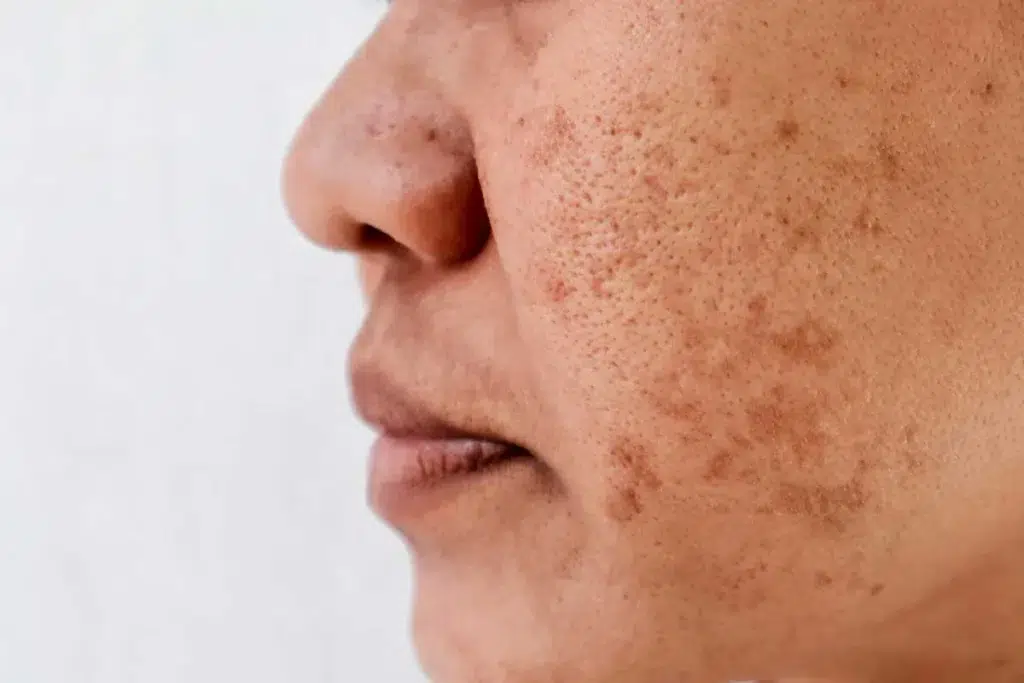

What is Stain and Pore Treatment?
Stain and pore problems are quite common among aesthetic disorders on the skin. While stain treatment aims to alleviate pigment disorders on the skin, pore treatment helps to tighten and reduce the appearance of pores on the skin. These two treatments are often applied together to improve the overall appearance of the skin and achieve a healthy appearance.
Why Do Stains Form?
Stains on the skin can be caused by various reasons such as excessive exposure to the sun, hormonal changes, acne scars or aging. The irregular distribution of the pigment called melanin on the skin causes dark spots to form. Sun spots, melasma (pregnancy mask) or acne scars are the most common types of stains on the skin. The aim of stain treatment is to minimize these pigment changes.
Why Do Pores Enlarge?
Pores are part of the natural structure of the skin and help to remove sweat, sebum and other waste from the body. However, excessive sebum production can cause pores on the skin to enlarge. In addition, aging of the skin, genetic factors or environmental factors can also cause pores to enlarge. Reducing the appearance of pores makes the skin look smoother and healthier.
Stain and Pore Treatment Methods
There are a number of methods for stain and pore treatment. The treatment to be used varies depending on the skin type and the type of problem. Among the most effective methods:
Fractional Laser: This is a method commonly used to treat both stains and enlarged pores. Laser light targets the tissues under the skin and provides skin renewal. In addition to stain treatment, it helps shrink pores.
Chemical Peeling: It peels the skin surface, removes dead cells and lightens skin blemishes. It also makes pores look tighter. Chemical peeling helps skin renewal and provides a smooth surface.
Mesotherapy: The skin structure is strengthened by injecting nutrients under the skin. This method can help open stains and tighten pores. Mesotherapy is a treatment option that usually has deep effects.
Skin Care Products: Products containing AHA (Alpha Hydroxy Acid) and BHA (Beta Hydroxy Acid) can help remove dead skin cells and clean pores. In addition, active ingredients such as niacinamide and vitamin C can be effective in reducing spots.
Things to Consider in Spot and Pore Treatment
In order to achieve successful results in spot and pore treatment, it is very important to use products suitable for your skin type. It is also necessary to protect against the sun during the treatment process. Spot treated skin becomes more sensitive to the sun and may cause new spots to form. Therefore, using sunscreen and avoiding the sun during the treatment process makes a positive contribution to the treatment.
Post-Treatment Skin Care
Skin care is very important after spot and pore treatment. After the treatment, the skin is in the healing process and the right products should be used. Moisturizing creams, healing serums and products that protect the skin barrier support skin health. At the same time, extremely hot water and harsh skin care products should be avoided since the skin will become sensitive after the treatment.
In Conclusion
Stain and pore treatment offers highly effective methods to eliminate aesthetic problems on the skin and achieve a healthy appearance. Methods such as fractional laser, chemical peeling, mesotherapy can provide successful results in both stain treatment and pore tightening. However, each treatment process should be personalized and should be done under the guidance of a specialist dermatologist. Post-treatment skin care increases the effect of the treatment process and preserves a healthy skin appearance for a long time.
 Call
Call
 Whatsapp