


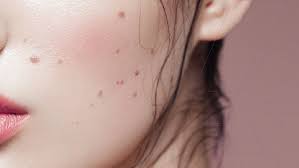

What is Stain and Mole Removal?
Stains that form on the skin over time and moles that appear congenitally or later can cause aesthetic concerns. Such marks, especially when they are on the face and visible areas, can also affect the person psychologically. Today, thanks to technology, these spots and moles can be removed with painless and safe methods.
What are the Stain Removal Methods?
Skin spots can occur due to reasons such as sun exposure, aging, acne scars or hormonal changes. The most preferred methods in the treatment of these spots are as follows:
Q Switch Laser: Breaks down deeply located melanin pigments and equalizes skin tone.
Fractional Laser: Controlledly peels the skin surface and allows the blemished areas to renew.
Chemical Peeling: Peels the upper layer of the skin and helps a new, spotless tissue to form.
Stain Lightening Medical Creams: Used for support purposes, especially in light and new spots.
Treatment selection is determined according to the type of spot, its depth and the person's skin structure.
Is Mole Removal Necessary?
Not every mole has to be removed. However:
Moles that change color
Grow rapidly
Have irregular edges
Bleed or itch
may be at risk for skin cancer. Such moles must undergo a dermatological examination. For moles removed for aesthetic purposes, laser or surgical methods are generally preferred.
What are the Mole Removal Methods?
Laser Mole Removal: It is preferred for moles located on the skin surface that are colored but not raised. It can be removed without leaving a scar.
Surgical Excision: It is applied to larger or suspicious moles. The entire mole is removed and sent to pathology if necessary.
Electrocautery / Radiofrequency: It is a method that removes superficial moles by vaporizing them. It is usually done with local anesthesia.
What is the Recovery Process After the Procedure?
The recovery process varies from person to person in both procedures. However, in general:
There may be slight crusting and redness in the first few days.
It is very important to protect from the sun.
Moisture support should be provided to the skin until healing is complete.
Sunscreen should definitely be used after laser.
Will There Be Permanent Scars?
The risk of scarring varies depending on the method used, the depth of the mole and the person's skin structure. Superficial moles usually do not leave a scar when removed with a laser. However, a slight scar may remain in deep or large moles. These scars fade over time and become less visible.
In Conclusion...
Stain and mole removal procedures are successful applications that reduce aesthetic concerns and give the person self-confidence. However, the same method may not be suitable for every mole or blemish. For this reason, an evaluation by a dermatologist or specialist physician is definitely necessary before the procedure. The right information, the right method and an expert approach are always the most reliable ways for the health of your skin.
 Call
Call
 Whatsapp