


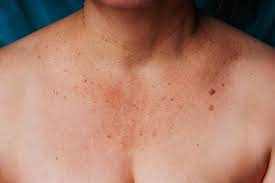

What Causes Spots on the Body?
Spots on the body are areas that appear on the surface of the skin and usually show themselves with color changes. These spots can occur for different reasons and sometimes are harmless while sometimes they may need to be treated. You can read this article to learn more about the causes of spots on the body, treatment options and prevention methods.
1. Sun Spots (Age Spots)
Sun exposure can cause brown spots to form on the skin. These spots are usually associated with aging and are often called "sun spots" or "age spots". They are especially seen in areas exposed to the sun such as the face, hands and back. They occur with increased melanin production.
2. Hormonal Changes and Melasma
Hormonal changes can cause spots on the body. This situation can especially occur during periods such as pregnancy, use of birth control pills or menopause. These spots, called melasma, are usually seen in areas such as the forehead, cheeks and upper lip. Hormones play an important role in the formation of these spots.
3. Acne Scars
When acne heals, it can often leave permanent marks on the skin. These marks appear as red or brown spots, especially after inflammatory acne. These spots that form on the skin after acne treatment may fade over time, but in some cases, they may require treatment.
4. Skin Diseases Such as Psoriasis and Eczema
Some skin diseases can cause spots on the body. Psoriasis and eczema, in particular, can leave red or brown spots on the skin and cause itching. These diseases are treated with medications recommended by dermatologists and can be alleviated with skin care.
5. Skin Infections
Some skin infections can also cause spots on the body. Fungal infections can cause redness and flaking on the skin, causing dark spots to form. Bacterial infections can also leave permanent marks on the skin.
6. Vein Problems
Sometimes spots on the body can be caused by problems with the veins. Conditions such as varicose veins or dilated veins can cause purplish or brown spots on the legs. Such spots usually occur as a result of the dilation of the veins.
7. Age-Related Changes
With aging, collagen and elastin production in the skin decreases, which can lead to loosening of the skin and the formation of spots. Especially as age progresses, fine lines and brown spots on the skin can become more visible.
8. Nutrition and Lifestyle
Factors such as inadequate nutrition, excessive alcohol consumption and stress can lead to skin color changes. Spots on the skin are usually an indicator of imbalances in the body. A good lifestyle, healthy diet and sufficient water consumption can improve skin health.
What Can Be Done for Spots on the Body?
1. Using Sunscreen
The best way to protect yourself from spots caused by sun exposure is to use sunscreen regularly. Sunscreens with high SPF values protect the skin from the harmful effects of the sun and prevent the formation of new spots.
2. Skin Care and Moisturizing
Regular skin care can reduce the appearance of spots on the skin. Keeping the skin moist and healthy encourages cell renewal. In addition, peeling procedures can help to remove dead cells from the skin and reduce spots.
3. Laser Treatment and Chemical Peeling
Laser treatment and chemical peeling can be effective in removing dark spots on the skin. Laser treatment targets the pigments under the skin and lightens the color of the spots. Chemical peeling helps to renew the skin by removing dead skin cells.
4. Medical Treatments and Cream Use
Doctor-prescribed treatment creams can be used for skin spots. Hydroquinone is a compound that helps to reduce pigmentation in the skin and can be effective in removing skin spots. In addition, creams containing vitamin C can also lighten the color of the spots.
As a result
Spots on the body can occur for various reasons and sometimes require treatment. Factors such as sunlight, hormonal changes, acne scars, skin diseases and vascular problems play a role in the formation of spots on the body. To deal with these spots, regular skin care, sunscreen use and professional treatment options can be preferred. It would be useful to consult a dermatologist to determine the cause of your spots and the most appropriate treatment method.
 Call
Call
 Whatsapp