


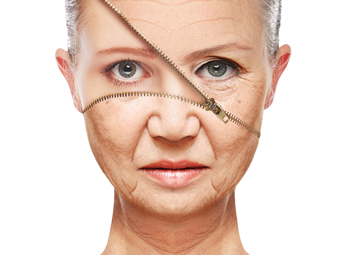

Stem Cell Acne Treatment: Methods, Effects and Advantages
Stem cell treatment is a high-tech treatment option used to promote skin regeneration and tissue repair. In recent years, the use of stem cells, especially in skin treatments, has also become popular in the treatment of acne scars. Stem cell treatment can be effective in improving acne scars, increasing skin elasticity and eliminating wrinkles. Let's take a detailed look at how stem cells work in the treatment of acne scars, the benefits and potential risks of this treatment method.
What is a Stem Cell?
Stem cells are special cells that can transform into different tissues of the body and have regenerative properties. In other words, these cells can replace damaged or aged cells in various parts of the body and fulfill their functions. Due to these properties, stem cells form the basis of many medical treatments.
Stem cells used in skin treatment are generally called mesenchymal stem cells. These cells have the potential to form connective tissue, skin cells, cartilage and fat tissue. Damaged areas on the skin can be repaired by restoring stem cells to the body.
How Does Stem Cell Acne Treatment Work?
Stem cell treatment is used to speed up the healing process of the skin in the treatment of acne scars. This treatment works in the following ways:
New Cell Production and Regeneration:
When injected into the lower layers of the skin, stem cells stimulate the production of new cells in the skin. These cells replace damaged skin tissue in the areas where acne scars are located, making the scars less noticeable.
Increasing Collagen Production:
Stem cells stimulate collagen production. Collagen is a protein that provides elasticity to the skin and strengthens the skin tissue. Acne scars on the skin are usually caused by weakened connective tissue. Stem cells increase collagen production in the skin, helping to improve the scars and smooth the skin surface.
Reducing Inflammation:
Most acne scars are caused by severe inflammation. Stem cell treatment soothes the skin surface by reducing inflammation in the skin. This helps to heal acne scars.
Skin Tissue Repair and Reconstruction:
Stem cell treatment allows skin tissue to be restructured and damaged areas to be repaired. This can be especially beneficial for hollow acne scars and deep scars. With the effect of stem cells, the skin surface becomes smoother.
Benefits of Stem Cell Acne Treatment
The potential benefits of stem cell treatment on acne scars may be:
Deep Healing and Regeneration:
Stem cells can provide deep healing in damaged areas of the skin. They support faster healing of acne scars and create a smoother skin structure.
Increased Collagen:
Increasing collagen production is necessary to increase skin elasticity and reduce the appearance of scars. Stem cell treatment accelerates this process and contributes to a healthier and younger skin structure.
Fast Healing of Wounds:
Stem cell treatment accelerates wound healing and prevents acne scars from remaining long-term. This treatment is especially effective in the treatment of new acne scars.
Reduced Side Effects:
Stem cell therapy has a minimally invasive effect on the skin and side effects are generally quite low. Injections support skin renewal and contribute to the body's natural healing processes.
Beneficial for Dark Spots and Pigmentation Problems:
Stem cell therapy improves pigment changes (hyperpigmentation) on the skin. It can especially lighten dark acne scars and even out skin tone.
Stem Cell Treatment Process and Application
Stem cell therapy is usually applied with the following steps:
Consultation and Evaluation:
Before starting the treatment, a dermatologist or medical aesthetic specialist evaluates your skin condition. It is determined whether you are suitable for stem cell therapy and you are informed about the treatment process.
Stem Cell Collection:
Stem cell therapy is usually performed with stem cells taken from the person's own fat tissue or bone marrow. The stem cells are separated with a special process before being injected into damaged areas of the skin.
Stem Cell Injection:
Cleaned and purified stem cells are injected under the skin with thin needles. This procedure is applied to the areas where there are scars on the skin. The injection procedure is usually performed under local anesthesia and takes a very short time.
Healing Process:
Following stem cell treatment, there may be slight redness and swelling on the skin, but these effects usually pass within a few hours. After the treatment, the skin begins the regeneration process. Scars on the skin can significantly decrease in the treated area within a few weeks.
 Call
Call
 Whatsapp