


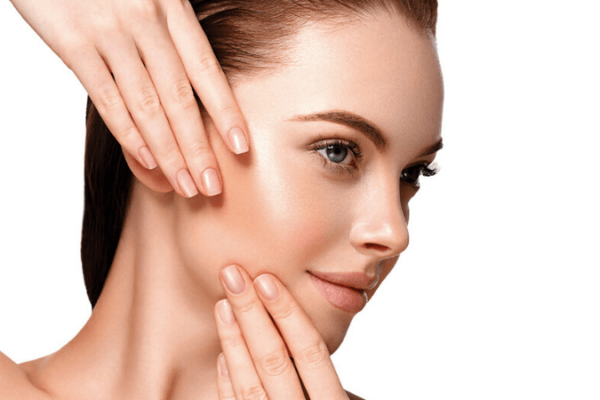

Stem cell treatment for skin rejuvenation is a modern therapy used to reduce the effects of aging and environmental factors on the skin while improving skin health. Stem cells are special cells with the ability to repair and regenerate tissues. They are used to reduce signs of aging in the skin, making it appear younger, healthier, and firmer.
How Stem Cell Treatment Works
In skin rejuvenation therapy, stem cells are typically harvested from the patient’s own fat tissue or blood. These cells are processed in a laboratory and then injected into the skin. The stem cells repair damaged skin cells, stimulate the production of new cells, and improve the overall appearance of the skin.
Benefits of Stem Cell Rejuvenation Treatment
-
Reduction of Wrinkles:
Stem cells increase collagen production under the skin, reducing the appearance of wrinkles and fine lines. As a result, the skin looks smoother and more youthful. -
Increased Skin Elasticity:
As we age, skin elasticity decreases. Stem cell therapy strengthens the connective tissues under the skin, counteracting elasticity loss, resulting in firmer skin. -
Skin Renewal and Revitalization:
Stem cells stimulate the renewal of damaged skin cells. They help remove dead skin cells, encouraging the production of fresh, healthy cells. This results in a more vibrant and youthful appearance. -
Even Skin Tone:
Pigmentation issues and spots are reduced with stem cell therapy, giving the skin a more even tone. This leads to a brighter and healthier complexion. -
Natural and Safe:
Since the patient’s own stem cells are used, there is no risk of allergic reactions. Additionally, the natural method of treatment makes it easily accepted by the body, increasing its safety. -
Enhanced Facial Features:
The reduction of wrinkles and sagging helps enhance facial features, giving the face a more defined and natural look. -
Quick Recovery Process:
Stem cell therapy is minimally invasive, meaning recovery is fast. Patients typically return to their daily activities immediately after treatment.
 Call
Call
 Whatsapp