



Stitch scars can occur for many different reasons. Trauma to the skin, such as surgical operations, skin injuries or cuts, can cause scars to form. In addition, factors affecting the formation of stitch marks include genetic predisposition, skin type and the speed of the healing process. Some people may be at greater risk of scarring, while others may have a faster healing process. For these reasons, it is important to use an effective treatment method to prevent or minimize the formation of stitch marks.
The importance of using stitch scar cream
There are many important benefits of using stitch scar cream. First, this cream provides a more aesthetic appearance by reducing the appearance of stitch marks. Secondly, scar cream supports the skin's natural healing process and restructures the skin texture. In this way, stitch scars heal faster and more effectively. Additionally, scar cream can reduce skin redness, itching, and irritation. This reduces discomfort in the area where the stitch marks form and makes the healing process more comfortable. Finally, scar cream increases skin elasticity and flexibility by increasing collagen production in the skin. This allows stitch scars to heal faster and prevents the formation of permanent scars.
How does stitch scar cream work?
Stitch scar creams often contain active ingredients that reduce hyperpigmentation and improve skin texture. These ingredients regulate melanin production in the skin and help balance skin tone. In addition, scar creams contain special formulas that increase collagen production in the skin and smooth the skin texture. In this way, the appearance of stitch marks is reduced and the skin becomes smoother. In order for stitch scar creams to be effective, it is important to use them regularly and continuously. Generally, to heal stitch marks, it is recommended to apply the cream several times a day by massaging in circular motions.
Ingredients to look for in stitch scar cream
When choosing stitch scar creams, it is important to pay attention to certain ingredients. First, one should make sure that the stitch scar cream consists of safe and natural ingredients. This prevents skin irritation and does not cause side effects. Also important is the effectiveness of the active ingredients in the scar cream. For example, natural extracts such as Aloe Vera support the skin's healing process and reduce the appearance of stitch marks. In addition, the vitamins and antioxidants in the scar cream also support the health of the skin and accelerate the healing process. For these reasons, it is important to carefully examine the ingredients when choosing a scar cream.
How to choose the right stitch scar cream for your needs?
Choosing the right stitch scar cream is an important factor affecting the healing process of stitch scars. First, you should choose a cream that suits your needs, taking into account your skin type. If you have dry or oily skin, it is important to choose a suitable cream taking this into account. You should also consider the size and density of the stitch marks. While you can choose a lighter cream for small and light scars, it may be more effective to choose a stronger cream for larger and prominent scars. Additionally, the ease of use of the stitch scar cream is also important. Since you need to use the cream regularly and consistently, it is important to choose a product that is easy to use.
Effective use of stitch scar cream - application tips and techniques
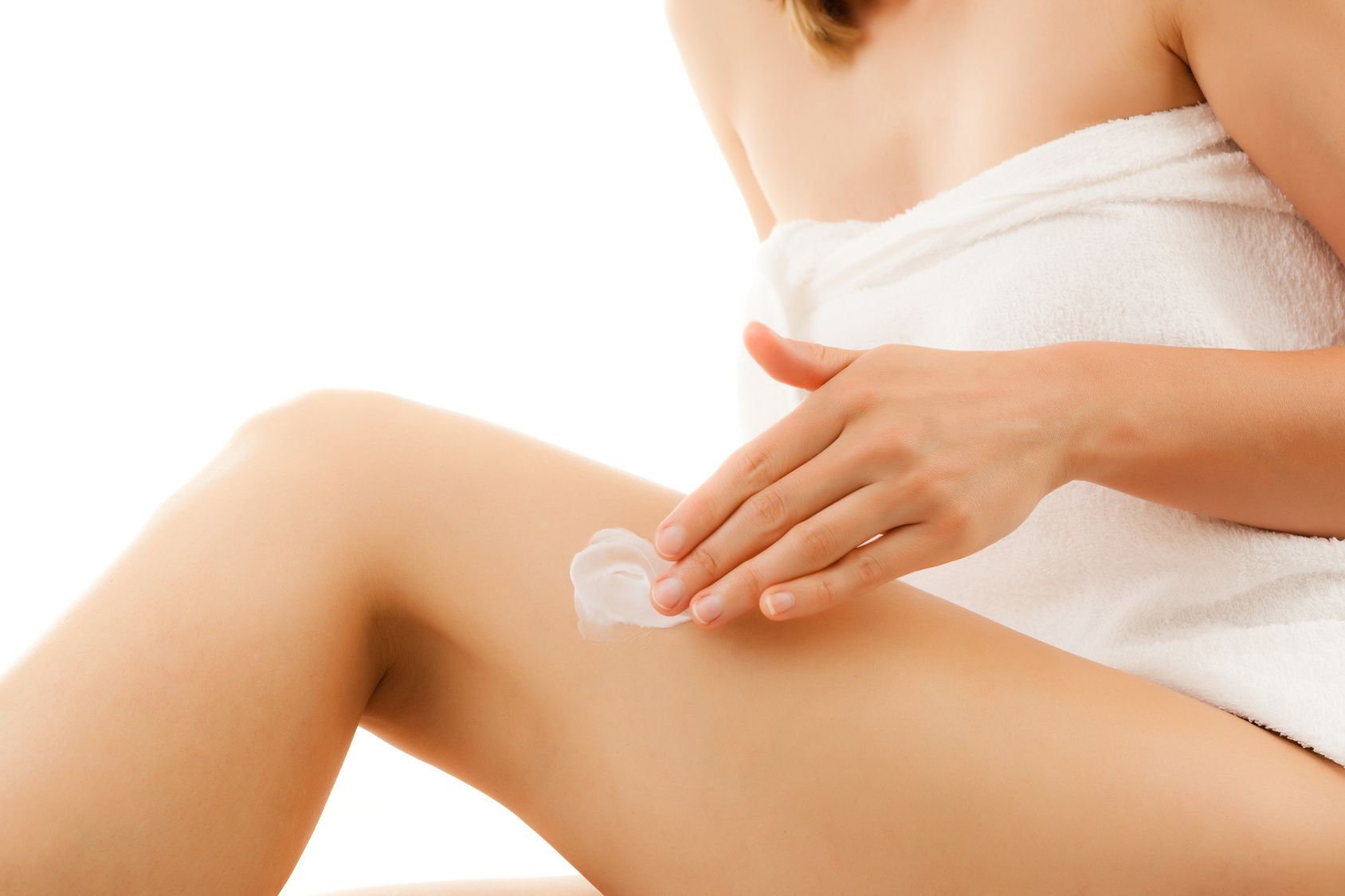
You can use some tips and techniques to use stitch scar cream effectively. First, it is important to apply the cream to clean and dry skin. Wash your skin first with a mild cleanser and dry thoroughly. Then, wash your hands and apply hygienically before applying the stitch scar cream. Apply the cream by massaging in circular movements and wait for it to be completely absorbed into the skin. Stitch scar cream should be applied regularly, usually several times a day. Frequency and duration of application may vary depending on the product instructions, so read the instructions carefully before using the cream.
Other treatments for stitch scars
There are other treatment methods for stitch scars other than stitch scar creams. These include procedures such as laser therapy, microdermabrasion, chemical peels and dermaroller. These treatment methods use different mechanisms to improve the appearance of stitch scars. For example, laser treatment increases collagen production in the skin and reduces the appearance of stitch marks. Microdermabrasion improves the appearance of stitch scars by gently peeling off the top layer of skin. Chemical peeling creates a new and healthy skin layer by peeling off the upper layer of the skin. Dermaroller, on the other hand, uses thin needles on the skin, stimulating the skin's healing process and reducing the appearance of stitch marks. These treatment methods offer an effective option for healing scars, but each has its own advantages and disadvantages. Because,
stitch scar cream
Free Information,
Consultation and Appointment Request
 Call
Call
 Whatsapp