


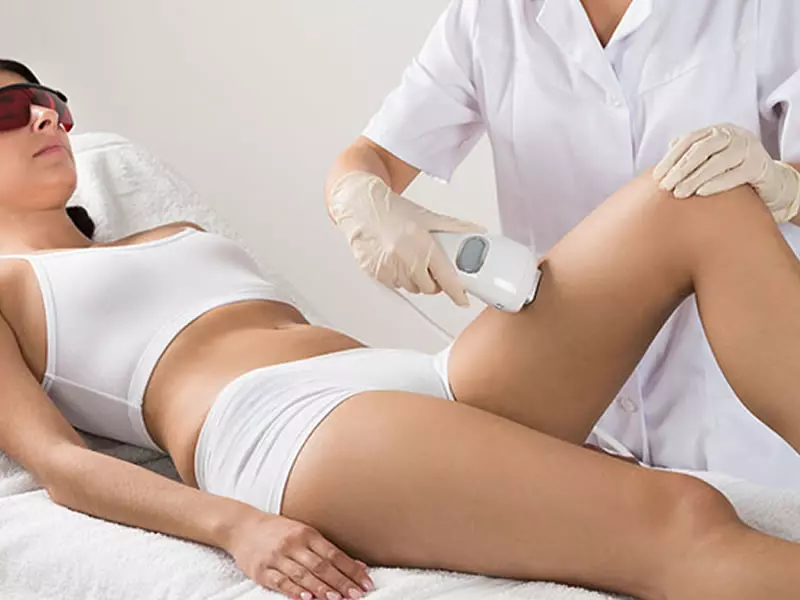

Individuals living in Ankara who are concerned about stretch marks are not alone. Stretch marks are common skin changes that may cause aesthetic concerns. Treatment generally aims to reduce differences in colour and texture and make the marks less noticeable rather than remove them completely.
Before considering stretch mark treatment in Ankara, it is important to determine whether the available procedures are suitable for the individual. Skin characteristics, the age and colour of the stretch marks, their location and the factors that contributed to their formation may all affect treatment planning.
The selected procedure should be personalised and performed under professional supervision. Stretch mark treatment requires patience because collagen remodelling and changes in skin texture usually develop gradually.
Clear discussion of treatment goals, possible limitations, recovery requirements and expected results can help establish realistic expectations.
What Are Stretch Marks and Why Do They Develop?
Stretch marks are linear changes that develop when the supporting collagen and elastin structures within the skin are stretched or disrupted. They commonly appear during pregnancy, rapid weight gain or loss, growth spurts during adolescence and rapid increases in muscle volume.
Genetic predisposition may influence the likelihood of developing stretch marks. Hormonal factors, prolonged corticosteroid use and certain medical conditions may also contribute in some individuals.
Skin hydration can improve comfort and the general appearance of dryness, but moisturisers cannot reliably prevent stretch marks caused by rapid stretching or hormonal factors.
Stretch marks may change in colour over time. Recent marks are often red, pink or purple, while older marks generally become lighter, white or silvery. Recent and older stretch marks may respond differently to treatment.
Stretch marks are usually harmless. However, sudden, extensive or unexplained marks should be medically assessed, particularly when they occur without an obvious change in weight, pregnancy or growth.
Potential Benefits of Stretch Mark Treatment
Stretch mark treatment may help reduce differences in colour and improve uneven texture. Recent reddish or purple marks may sometimes respond differently from older pale marks.
Certain procedures stimulate controlled skin renewal and collagen remodelling. This may gradually make the treated area appear smoother and more even.
Improvement in appearance may also help individuals feel more comfortable and confident. However, the response varies, and completely restoring the skin to its original appearance cannot be guaranteed.
Stretch marks do not necessarily indicate that the skin barrier is damaged. They primarily involve structural changes within the deeper supporting layers of the skin.
Common Stretch Mark Treatment Methods in Ankara
Different methods may be considered according to the characteristics of the stretch marks and the individual’s skin type. These may include laser treatment, microneedling, radiofrequency-based applications, chemical peeling and selected regenerative procedures.
Laser Treatment
Laser treatment may be used to address colour changes or uneven texture. Ankara Laser applications may involve different devices according to whether the stretch marks are recent and reddish or older and lighter.
Certain vascular lasers may target redness in recent marks. Fractional laser systems create controlled treatment zones and stimulate collagen remodelling within the skin.
Several sessions may be required. Temporary redness, swelling, sensitivity, peeling or pigmentation changes may occur, particularly after more intensive procedures.
Microneedling
Microneedling creates controlled microchannels in the skin and activates the natural repair response. Collagen remodelling may gradually improve the texture of selected stretch marks.
The number of sessions and the interval between them depend on the skin’s response and the depth of the marks.
Chemical Peeling
Chemical peeling removes selected layers of the skin in a controlled manner. It may help improve superficial pigmentation and mild surface irregularities.
Because stretch marks involve deeper structural changes, chemical peeling alone may have a limited effect on established or deep marks.
PRP Applications
Platelet-rich plasma is prepared from the individual’s own blood and may be used as an additional treatment alongside selected procedures.
Its effect on stretch marks may vary, and it should not be expected to remove them completely. The potential benefits, limitations and possible risks should be discussed before treatment.
Technologies Used in Stretch Mark Treatment
Different technologies may be used to target separate features of stretch marks.
Fractional Laser Technologies
Fractional lasers create microscopic treatment zones while leaving surrounding areas relatively intact. This controlled response may stimulate collagen remodelling and gradually improve texture.
Device selection and settings should be adjusted according to skin tone, sensitivity and the characteristics of the marks.
Radiofrequency Technology
Radiofrequency devices deliver controlled heat energy to selected layers of the skin. This may stimulate collagen production and contribute to gradual improvement in firmness and texture.
Radiofrequency microneedling combines fine needles with radiofrequency energy and may be considered for selected stretch marks.
LED-Based Applications
LED treatments use specific wavelengths of light and may be used to support comfort or the general recovery process in selected treatment plans.
However, LED therapy alone should not be expected to produce a significant structural improvement in deep stretch marks. Its role is generally supportive, and the available evidence may vary according to the device and protocol.
The First Steps in Stretch Mark Treatment
The first stage should be a professional skin assessment. A dermatologist or qualified medical practitioner should examine the marks and determine their colour, age, depth, location and distribution.
The specialist should also review factors such as:
-
Skin tone and sensitivity
-
Pregnancy or breastfeeding
-
Current medication
-
Previous procedures
-
Tendency to develop pigmentation or keloid scars
-
Medical conditions affecting healing
-
Recent sun exposure
-
Treatment expectations
After the assessment, a personalised plan can be prepared. One procedure may be sufficient in some cases, while a combination of methods may be considered in others.
Preparing the Skin Before Treatment
The skin should not have an active infection, open wound, sunburn or significant irritation before a procedure.
Strong exfoliating acids, retinoids, abrasive scrubs or certain hair-removal methods may need to be paused temporarily. The timing should follow the specialist’s instructions.
Regular moisturising may support the skin barrier and improve comfort, but it does not guarantee that stretch marks will disappear or respond more quickly.
Balanced nutrition and adequate hydration support general health. However, they should complement rather than replace professional treatment.
Points to Consider During Treatment
Open communication with the specialist is important. Treatment goals, concerns, expected recovery time and possible side effects should be discussed before the procedure.
Sun protection may be necessary, particularly after laser, chemical peeling, microneedling or radiofrequency treatments. Exposed areas should be protected with suitable sunscreen and clothing when permitted.
The skin may temporarily become red, dry or sensitive. Products recommended by the specialist should be used, while irritating ingredients should be avoided during recovery.
Results should be assessed over time rather than immediately after a single session. Collagen remodelling may continue for several weeks or months.
Aftercare Following Stretch Mark Treatment
The treated area should be cleansed gently and moisturised with products appropriate for sensitive skin.
Scratching, rubbing or manually removing flaking skin should be avoided. Hot showers, saunas, swimming and intense exercise may need to be paused temporarily depending on the procedure.
Direct sunlight should be limited. Broad-spectrum sunscreen should be used on exposed treatment areas when the skin can tolerate application.
Unexpected blistering, increasing pain, discharge, severe swelling or prolonged redness should be reported to the treating specialist.
In conclusion, the approach to stretch mark treatment in Ankara should be determined according to the colour, age, depth and location of the marks and the individual’s skin characteristics. Different laser and non-laser methods may be considered, but no procedure can guarantee complete removal. Professional assessment, realistic expectations, consistent aftercare and patience are essential parts of the treatment process.
 Call
Call
 Whatsapp