


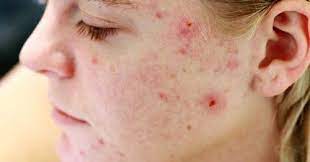

What is Subcutaneous Acne?
Subcutaneous acne is acne that develops under the upper layer of the skin and is usually painful and inflamed. This type of acne usually appears as large and red lesions on the skin, but unlike acne that appears on the upper surface of the skin, its content spreads deeper. Subcutaneous acne occurs as a result of blockage of the oil glands in the skin and is sometimes known as cystic acne.
Causes of Subcutaneous Acne
There may be several different reasons for the formation of subcutaneous acne. Hormonal changes, especially hormonal balance changes in situations such as puberty, menstruation or pregnancy, can trigger subcutaneous acne. In addition, excessive oil production, insufficient attention to skin cleansing, stress and incorrect skin care habits can also increase the formation of such acne. In addition, genetic factors can also be effective in people who experience this problem.
Ways to Deal with Subcutaneous Acne
In the treatment of subcutaneous acne, it is important to create a suitable skin care routine. Cleansing products can help open clogged pores by removing oil and dirt from the skin. In addition, creams and gels with antibacterial properties can reduce inflammation and help acne heal quickly. In addition, professional methods can be used in the treatment of subcutaneous acne. Options such as laser treatment, chemical peeling or mesotherapy can be quite effective in the treatment of subcutaneous acne.
Home Treatment Methods
It is possible to deal with subcutaneous acne with some simple methods applied at home. Applying warm compresses can help reduce inflammation in the area. In addition, skin care products containing salicylic acid dry out acne. Among natural methods, using tea tree oil or aloe vera can help heal subcutaneous acne.
Preventing Subcutaneous Acne
One of the most important factors in preventing subcutaneous acne is not neglecting regular skin care. Skin cleansing, regularly removing oil and dirt prevents pores from clogging. In addition, avoiding excessive makeup and using skin-friendly products can also prevent acne from forming. Stress management and a balanced diet also positively affect skin health and contribute to the prevention of subcutaneous acne.
In Conclusion
Subcutaneous acne can cause discomfort both physically and aesthetically when left untreated. However, it is possible to prevent and treat this type of acne with the right treatment methods and regular skin care. In order to treat subcutaneous acne, it is very important to create the right treatment plan by getting professional help.
 Call
Call
 Whatsapp