


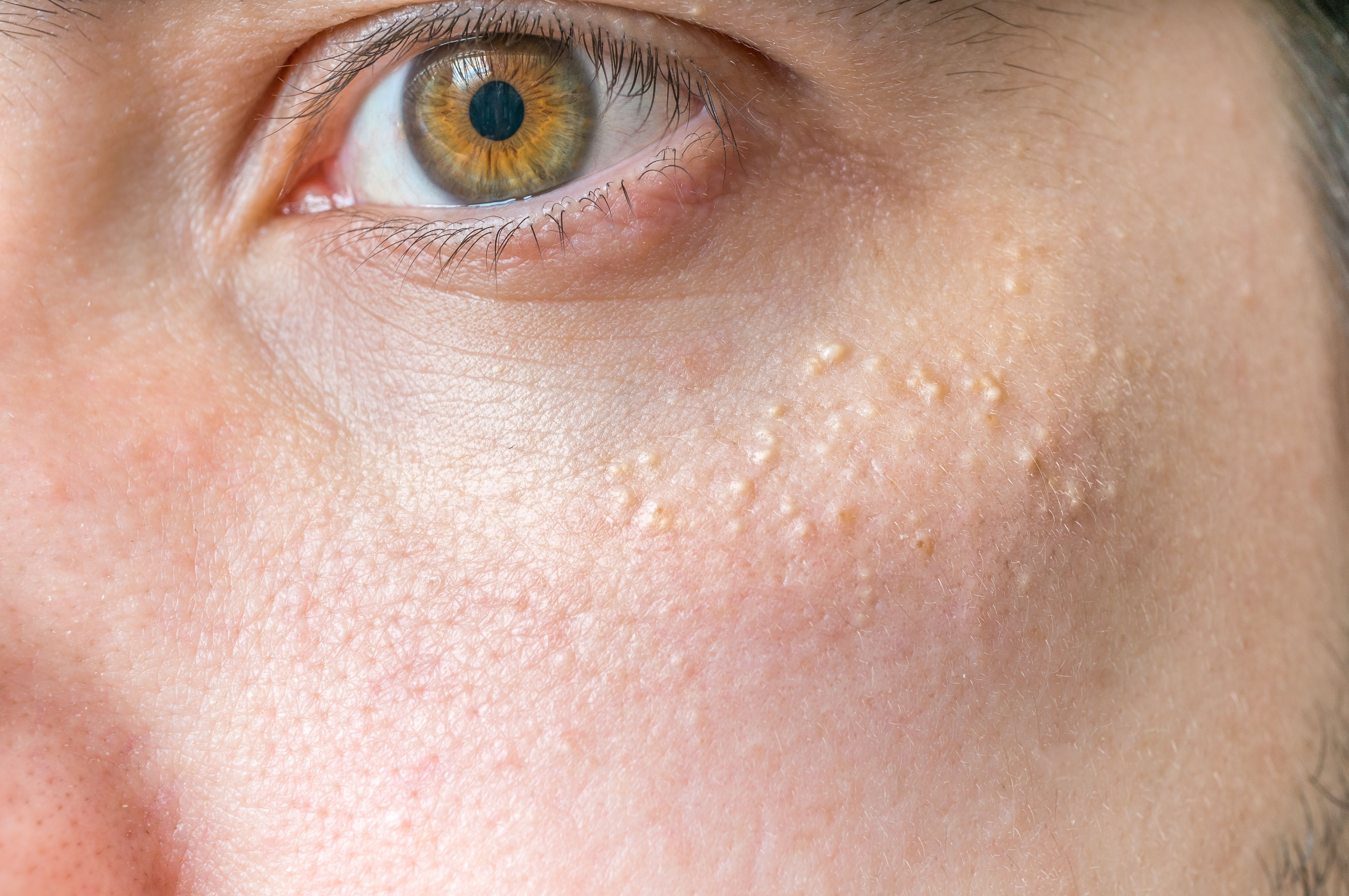

The subcutaneous fat gland is located in the subcutaneous region between the epidermis (outer layer of skin) and dermis (middle layer of skin). These glands consist of cells called sebocytes. Sebocytes are oil-producing cells and produce oil called sebum. Sebum is important to moisturize, protect the skin and ensure its elasticity.
The subcutaneous sebaceous gland is connected to the hair follicles and is located around the hair follicles. The glands secrete sebum through a channel opening into the hair follicle. When sebum rises to the surface of the skin, it maintains the skin's natural moisture balance and creates a protective barrier for the skin.
The Importance of Sebum Production
Sebum production is important for maintaining skin health. Sebum forms a natural oil layer to moisturize and protect the skin. This oil layer prevents the skin from losing water and keeps the skin moist. At the same time, sebum acts as a protective barrier against microorganisms by maintaining the skin's natural pH balance.
Proper production and secretion of sebum ensures oil balance in the skin. However, sometimes sebum production may be excessive or sebum may not reach the skin surface due to clogged channels. These situations may cause subcutaneous oil gland problems.
Common Conditions and Disorders of Subcutaneous Fat Glands
Common conditions and disorders related to the subcutaneous sebaceous gland include:
Acne: Acne, the most common subcutaneous oil gland problem, occurs as a result of increased sebum production and clogged pores. It manifests itself with symptoms such as acne, pimples and blackheads.
Seborrheic dermatitis: This condition is associated with increased sebum production and usually manifests itself as itching, flaking and redness on the scalp.
Oily skin: When the subcutaneous sebaceous gland produces excessive sebum, the skin may appear oily. Oily skin often has a shiny and porous appearance.
Treatment Options for Subcutaneous Fat Gland Problems
Treatment options for subcutaneous sebaceous gland problems vary depending on the severity and type of the problem. Treatment options may include:
Topical treatments: Topical treatments can be used for problems such as acne and seborrheic dermatitis. These treatments may take the form of lotions, creams or gels applied to the skin.
Oral medications: In cases of severe acne or chronic seborrheic dermatitis, oral medications can be used. These medications may help reduce sebum production or control inflammation in the skin.
Skin care: Regular and proper skin care is important for subcutaneous sebaceous gland problems. Using a moisturizer, cleansing regularly, and avoiding products that are overly drying can help control problems.
Frequently Asked Questions: Subcutaneous Fat Gland
How to prevent subcutaneous sebaceous gland problems?
Performing regular skin care, using the right products and adopting a healthy lifestyle can help prevent subcutaneous sebaceous gland problems.
Are subcutaneous fat gland problems permanent?
Subcutaneous sebaceous gland problems can usually be treated. However, in some cases, some conditions, such as chronic seborrheic dermatitis, may be more difficult to treat.
How long does the treatment process for subcutaneous sebaceous gland problems take?
The course of treatment depends on the type of problem, its severity, and the person's response to treatment.
 Call
Call
 Whatsapp