


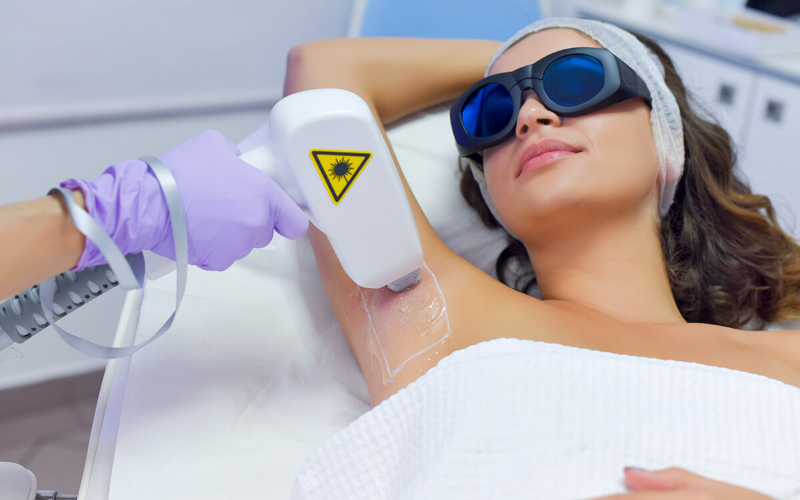

Post-epilation skin care requires special attention, especially when it comes to sun exposure. After laser epilation, the skin becomes more sensitive and vulnerable to harmful UV rays. Sunbathing may lead to unwanted side effects, so it is important to take protective measures after the procedure.
Exposure to sunlight after laser epilation can cause redness, burning, and changes in skin tone. To avoid these effects, it is recommended to stay away from direct sunlight for at least two weeks after the procedure. During this period, using high-SPF sunscreen is one of the most effective ways to protect your skin.
Sunbathing within this sensitive period may lead to permanent skin spots. Therefore, careful planning is especially important for those considering laser epilation during the summer months. Maintaining proper skin care at every stage helps ensure safe and effective results.
Post-Laser Epilation Skin Care
Proper skin care after laser epilation is essential for achieving safe and successful results. It is normal to experience mild redness and sensitivity immediately after the procedure.
To support the healing process, using moisturizing and soothing creams is recommended. Natural products such as aloe vera gel can also help calm the skin and provide hydration.
Additionally, it is important to avoid hot water and harsh chemical products that may irritate the skin. Allowing the skin to rest and recover plays a key role in achieving better long-term results.
When Should Laser Epilation Be Performed?
The timing of laser epilation is important for both effectiveness and safety. Autumn and winter are generally considered the best seasons, as sun exposure is lower and the risk of skin damage is reduced.
Undergoing laser treatment during summer may increase the risk of burns and pigmentation due to intense sun exposure. If treatment is necessary during this time, extra precautions such as using strong sunscreen are essential.
The ideal timing may vary depending on individual skin type and lifestyle. Consulting a specialist before treatment can help determine the best plan.
Epilation Methods and Laser Applications
Epilation is a common method for removing unwanted hair, and there are various techniques available. Among them, laser epilation stands out as one of the most effective options for long-term results.
Laser epilation works by targeting hair follicles beneath the skin and damaging them to slow regrowth. Multiple sessions are usually required for optimal results. With each session, hair becomes weaker and less noticeable.
Compared to traditional methods, laser epilation is often considered a safer option, especially for sensitive skin. However, it should always be performed by trained professionals using appropriate devices.
Laser Epilation Services in Ankara
Ankara offers a wide range of laser epilation services. Clinics such as Ankara Life Polyclinic are known for their professional approach and modern equipment.
When choosing a clinic, it is important to consider hygiene standards, device quality, and the experience of the specialists. These factors directly affect both safety and treatment outcomes.
Different clinics may offer various pricing and package options. Comparing these options and reviewing customer feedback can help you make a more informed decision.
Effects of Sun Exposure After Laser Epilation
Sun exposure can have significant effects on the skin after laser epilation. The skin becomes more sensitive, and exposure to UV rays may lead to redness, irritation, or burning.
In this sensitive period, the skin is more vulnerable to permanent pigmentation and damage. To prevent these effects, it is recommended to avoid sun exposure for at least two weeks and to use high-SPF sunscreen when going outside.
The effects of sun exposure may vary depending on skin type. Some individuals may be more sensitive, while others may experience fewer side effects. Therefore, minimizing sun exposure and using appropriate skincare products is essential.
Sun Exposure According to Skin Type
Sun exposure tolerance may vary depending on skin type. Individuals with fair skin are generally more sensitive to sunlight and should take extra precautions.
Those with darker skin tones may be more resistant to sunlight, but sensitivity can still increase after laser epilation. Therefore, using sunscreen and limiting sun exposure is important for all skin types.
Consulting a dermatologist or specialist can help determine the most appropriate sun exposure duration and skincare routine based on your skin type.
 Call
Call
 Whatsapp