



Understanding the effects of sun exposure after laser epilation is very important. After the procedure, the skin becomes sensitive and more vulnerable to external factors. Therefore, exposure to sunlight immediately after laser treatment may lead to unwanted side effects such as redness, irritation, or even permanent pigmentation. Protecting the skin from the sun can also improve the effectiveness of the treatment.
Why should you avoid sunbathing after laser treatment? Laser epilation affects the pigments beneath the skin, while also making the surface more sensitive. This sensitivity reduces the skin’s resistance to UV rays and may result in issues such as burning or peeling. For this reason, instead of direct sun exposure, using appropriate sunscreen and staying in shaded areas is a healthier choice.
To protect your skin after laser epilation, simple precautions can be taken. Wearing wide-brimmed hats, choosing long-sleeved clothing, and avoiding outdoor activities during peak sun hours are effective measures. These steps help protect the skin from both laser sensitivity and harmful UV rays.
When Should Laser Epilation Be Performed?
Determining the right timing for laser epilation is important for both effectiveness and skin health. Generally, autumn and winter are considered the most suitable seasons for treatment. During these periods, sunlight is less intense, which helps minimize potential side effects.
Having laser treatments during winter reduces the risk of sun exposure. It also allows the skin enough time to recover before summer, increasing the chances of achieving smoother skin.
However, individual skin types and responses to laser treatment may vary. Therefore, consulting a specialist is recommended to determine the most appropriate timing.
Laser Epilation: How It Works and Its Effects
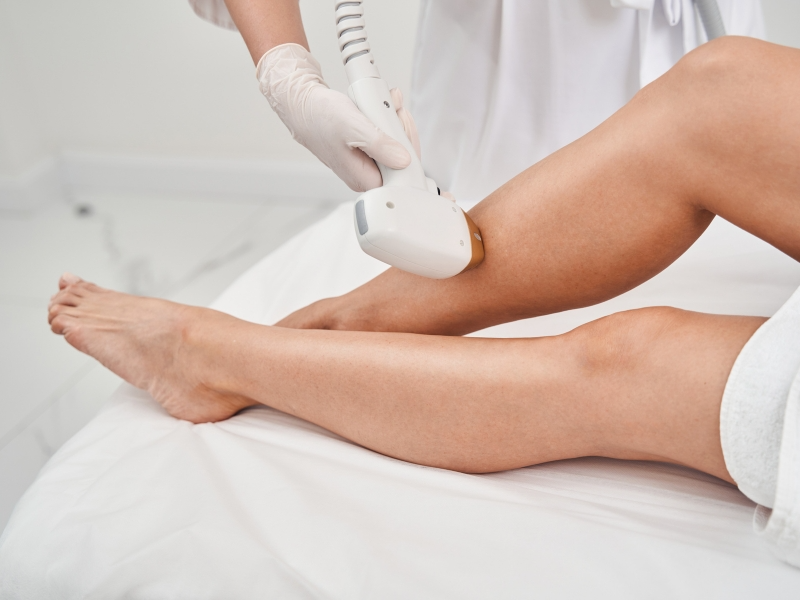
Laser epilation is an effective method for reducing unwanted hair. It targets hair follicles with laser beams, weakening them and slowing down regrowth. The procedure is usually performed in multiple sessions, with intervals based on the hair growth cycle.
The primary goal of laser epilation is to target pigment in the hair follicles and weaken the roots. The laser penetrates the skin without damaging the surface. However, factors such as skin tone, hair thickness, and structure affect the effectiveness of the treatment.
One of the advantages of laser epilation is that it offers longer-lasting results compared to traditional methods. While it may not provide a completely permanent solution, it can significantly reduce hair density and thickness.
Laser Epilation Services in Ankara
Ankara offers a wide range of laser epilation services. Many clinics and beauty centers in the city provide professional treatments.
When choosing a clinic, it is important to consider certifications, expertise, and hygiene standards. Working with experienced professionals ensures both safety and effectiveness.
Different clinics may use different devices and techniques. Therefore, it is beneficial to learn whether the equipment used is suitable for your skin type. Reading user reviews and attending a consultation session before treatment can also help you make a better decision.
Laser Epilation Methods and Options
Laser epilation offers various methods tailored to different skin and hair types. The most common techniques include diode laser, Alexandrite laser, and Nd:YAG laser.
- Diode Laser: Effective for lighter skin tones with thicker hair
- Alexandrite Laser: Ideal for fair skin and provides fast results
- Nd:YAG Laser: Suitable and safe for darker skin tones
Choosing the right method requires professional consultation. A proper skin analysis helps determine the most effective treatment plan.
Things to Consider About Sun Exposure After Laser
Sun exposure after laser epilation requires careful attention. The skin becomes temporarily sensitive, and UV rays can cause irritation or pigmentation.
It is generally recommended to avoid direct sunlight for at least two weeks after the procedure. If going outside is necessary, using high-SPF sunscreen is essential.
Additional protection such as hats and long clothing can further protect the skin. These precautions not only help maintain skin health but also improve the effectiveness of the treatment.
 Call
Call
 Whatsapp