


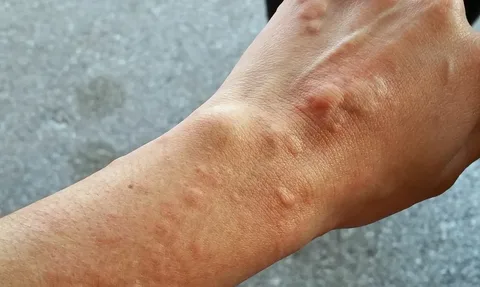

Although swelling on the body is often a temporary condition, in some cases it can become chronic and negatively affect daily life. Therefore, it is important to understand the causes of swelling on the body and to determine the appropriate treatment methods.
Why Does Swelling Occur on the Body?
There can be many reasons for swelling on the body. The most common of these are:
1. Allergic Reactions: Various stimuli such as foods, medications, insect bites or environmental factors can cause allergic reactions and cause swelling on the body.
2. Infections: Bacterial, viral or fungal infections can show symptoms such as swelling on the body.
3. Trauma or Injuries: Physical trauma or injuries to the body can cause swelling and swelling.
4. Chronic Diseases: Some chronic diseases, such as kidney diseases, thyroid disorders or heart diseases, can be associated with swelling on the body.
5. Drug Side Effects: The use of certain medications can lead to side effects such as swelling on the body.
6. Stress and Anxiety: High levels of stress and anxiety can produce physical symptoms such as swelling in the body.
7. Hormonal Changes: Changes in hormonal balance, especially during pregnancy or the menstrual cycle, can cause swelling in the body.
The cause of swelling in the body can vary from person to person. Therefore, it is important to consult a healthcare professional to determine the underlying cause of your complaints.
What are the Symptoms of Swelling in the Body?
Swelling in the body can manifest itself with a variety of symptoms. The most common of these are:
• Swelling or Blister Formation: Swelling or blistering can be observed under the skin or tissues, usually in a limited area.
• Redness: Redness, increased heat and tenderness can be felt in the swollen areas.
• Itching or Burning Sensation: Intense itching or burning sensation can be experienced in the swollen areas.
• Pain or Tenderness: Swollen areas can be painful and sensitive to touch or pressure.
• Difficulty Breathing: When swelling occurs, especially in the face or throat area, breathing can be difficult.
Symptoms may vary depending on the cause, severity, and the affected area of the body. In some cases, symptoms may appear quickly, while in other cases they may develop more slowly.
How Does Body Swelling Go Away?
The treatment of body swelling depends on determining the underlying cause and taking appropriate measures. Below are some suggested methods for body swelling to go away:
8. Preventing Allergic Reactions: In cases of body swelling caused by allergic reactions, it is important to identify and avoid triggering factors. In addition, medications such as antihistamines or corticosteroids can be used to relieve symptoms.
9. Treatment of Infections: In cases of body swelling caused by infections, appropriate antibiotic, antiviral, or antimycotic treatments can be applied.
10. Treatment of Trauma or Injuries: In cases of body swelling caused by physical trauma or injuries, the healing process should be supported. In this context, rest, ice application, wound care, and painkillers can be used.
11. Management of Chronic Diseases: In cases of swelling in the body caused by chronic diseases, it is important to control the underlying disease. In this regard, the treatment plan recommended by health professionals should be followed.
12. Management of Medication Side Effects: In cases of swelling in the body due to medication use, the medication may need to be changed or its dosage adjusted. Health professionals' recommendations should be sought in this regard.
13. Management of Stress and Anxiety: In cases of swelling in the body caused by stress and anxiety, methods such as relaxation techniques, meditation, yoga or psychotherapy can be used.
14. Ensuring Hormonal Balance: In cases of swelling in the body caused by hormonal changes, treatment methods recommended by health professionals should be applied.
 Call
Call
 Whatsapp