


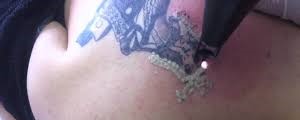

Tattoo removal is a process that requires care and patience. If you are considering having your tattoo removed, here are some important recommendations to consider:
1. Expert Selection:
Tattoo removal should be performed by an experienced and expert dermatologist or laser treatment specialist. Incorrect applications can lead to permanent scars on the skin.
The specialist will determine the most appropriate treatment method by considering the type, color, size and skin type of your tattoo.
2. Laser Selection:
Modern lasers such as PicoLazer and Q-Switched Nd:YAG lasers are the most effective and safe options for tattoo removal. These lasers break down tattoo ink, leaving minimal damage to the skin.
It is very important to use the correct laser frequency for colored tattoos. Especially colored tattoos (red, green, blue) are removed with different laser beams, so the right laser selection is necessary.
3. Be Patient:
Tattoo removal usually takes several sessions. It is necessary to wait 4-8 weeks between sessions. It takes time for the skin to heal and for the laser effect to be fully seen.
Large, colorful and deep tattoos require more sessions. It is very important to be patient and follow the process correctly.
4. Pay Attention to Skin Care:
Skin care after the procedure is very important. There may be redness, swelling and crusting on the skin. During this process:
Protect from the sun: Exposure to the sun can damage the healing skin and cause scarring.
Use a moisturizer: You can speed up the healing process by maintaining the moisture balance of the skin.
Be careful not to touch: Rubbing the treated area or picking crusts increases the risk of scarring.
5. Post-Treatment Healing Process:
Redness and Swelling: There may be slight redness, swelling and pain after the procedure. This usually goes away within a few hours, but sometimes it can take a few days.
Crusting and Peeling: There may be crusting as the skin heals. This is part of the body's natural healing process. Be careful not to pick crusts.
Risk of Scarring: Modern laser tattoo removal usually leaves no scarring, but some people may experience slight scarring, especially depending on skin sensitivity. It is important to follow your specialist's care instructions to reduce this risk.
6. Choose the Appropriate Treatment Method:
Laser Removal: Laser tattoo removal is the most effective and safest method. You can achieve successful results with fewer sessions, especially with modern technologies such as PicoLazer.
Dermabrasion and Surgical Intervention: These methods are generally more invasive and carry the risk of scarring. They may not be as effective as laser, so they should be considered as a last resort.
7. When Deciding on Tattoo Removal:
Tattoo removal is a permanent procedure, so you should be sure that you really want to remove it. Also, in some cases, tattoo removal may not completely remove the tattoo, as some tattoos can be difficult to remove completely.
The procedure can be expensive and may take several sessions. Adjust your budget and time accordingly.
8. Consider Your Health Condition: If you have skin diseases or dermatological problems, it is important to consult a doctor for tattoo removal. Laser treatment can cause skin reactions.
 Call
Call
 Whatsapp