



Tattoo removal is the process of removing unwanted tattoos on the body safely and effectively. This procedure is performed using laser technology and in most cases completely or largely removes the tattoo. Tattoo removal helps people feel happier and more comfortable.
Tattoo removal has become very popular in recent years. Many people find that they are unhappy with the tattoos they have had in the past or do not want them anymore. Tattoo removal offers these people a second chance to remove their old tattoos safely and effectively.
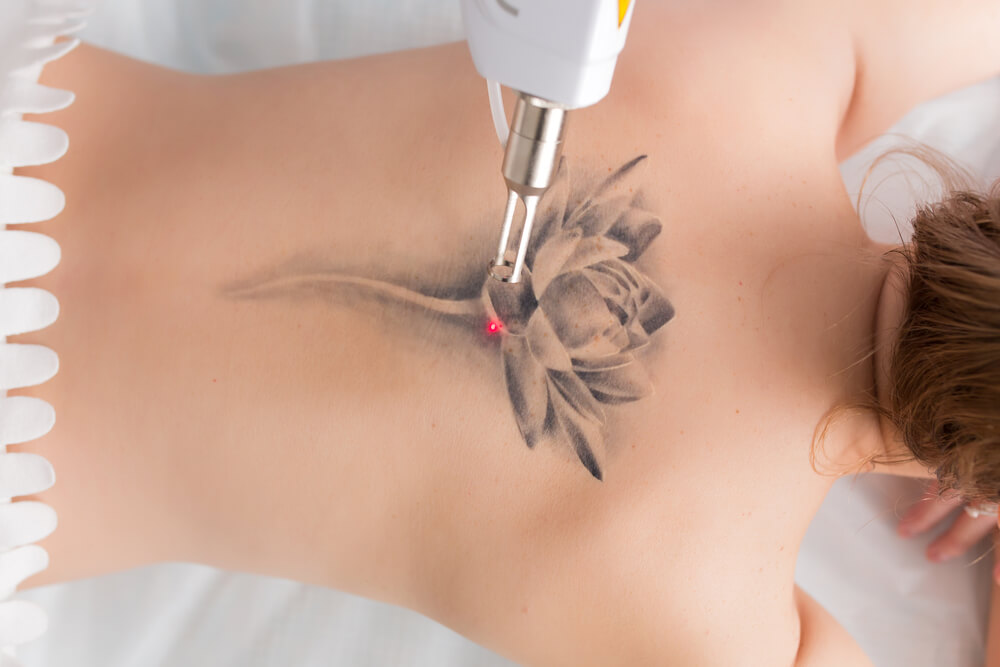
Tattoo removal is performed by a professional dermatologist or laser specialist. The laser beams break up the tattoo ink particles, allowing the body to expel them through its natural mechanism. This procedure usually requires several sessions and the results may vary from person to person.
Tattoo Removal Methods
Various methods are used for tattoo removal. The most common tattoo removal methods are listed below:
1. Laser Tattoo Removal:
• It is the most popular and effective tattoo removal method.
• Various laser technologies (Q-switched, Nd:YAG, Picosure, etc.) are used.
• It breaks down the tattoo ink and allows it to be expelled through the body's natural mechanism.
• Usually requires several sessions.
2. Dermabrasion (Chemical Peel):
• It aims to remove the tattoo by eroding the upper skin layer in the tattoo area.
• Chemical agents (trichloroacetic acid, phenol, etc.) are used.
• It is a suitable method for more superficial tattoos.
• Since it is a more aggressive procedure, it carries a higher risk of side effects.
3. Surgical Tattoo Removal:
• It involves surgical removal of the skin in the tattoo area.
• It is a suitable method for deeper and larger tattoos.
• Since it is a more invasive procedure, it carries a higher risk of scarring.
4. Tattoo Above:
• It is the process of covering up the old tattoo by placing a new tattoo on it.
• The skill and creativity of the tattoo artist is important.
• It can provide complete coverage of the old tattoo.
What Should You Consider Before Tattoo Removal?
Before deciding on tattoo removal, it is important to pay attention to the following points:
• Choosing a Tattoo Removal Specialist: Working with an experienced and certified dermatologist or laser specialist ensures a safe and effective result.
• Current Health Status: Some health problems (diabetes, infection, etc.) may affect the tattoo removal process. Consult your doctor and get approval.
• Medications Used: Some medications, such as blood thinners and steroids, may affect the tattoo removal process. Consult your doctor.
• Tattoo Size and Color: Large and dark colored tattoos may cause tattoo removal to be more difficult and require more sessions.
• Keeping Realistic Expectations: Tattoo removal does not guarantee complete removal of the tattoo. Partial results may also be obtained.
• Financial Planning: Tattoo removal can be costly as it may require several sessions. Review your budget.
Tattoo Removal Aftercare Tips
After tattoo removal, it is important to follow these care tips:
• Dressing and Wound Care: The wound after tattoo removal should be dressed regularly and kept clean according to your doctor's instructions.
• Protection from Sunlight: The tattoo removal area should be protected from sunlight for at least 4-6 weeks after the procedure. Use sunscreen.
• Moisturizers: The tattoo removal area should be moisturized regularly to prevent it from drying out after the procedure.
• Pay Attention to Signs of Infection: If symptoms of infection such as redness, swelling, pain or discharge occur, consult your doctor immediately.
• Healing Process: The tattoo removal area heals within 2-4 weeks. Be patient and careful during this process.
• Check-up Appointments: Regularly attend the check-up appointments recommended by your doctor. Additional sessions may be needed.
Tattoo Removal Process and Expectations
Tattoo removal is a process that usually requires several sessions. Each session can last between 15-30 minutes and local anesthesia is applied. During the procedure, a burning sensation or mild pain may be felt in the tattoo area.
After the procedure, side effects such as swelling, redness and itching may occur in the tattoo area. These usually pass within a few days. More serious complications are rare.
Tattoo removal results may vary from person to person. While some tattoos are more easily removed, others may be more resistant. Generally, 80-90% of the tattoo can be removed within 4-6 sessions. Additional sessions may be needed to achieve a complete result.
It's important to keep your expectations realistic. Tattoo removal does not guarantee complete removal of the tattoo. Partial results may also be obtained. It is recommended that you follow the progress of the process closely by keeping in regular contact with your doctor.
Tattoo Removal Before After
Free Information,
Consultation and Appointment Request
 Call
Call
 Whatsapp