


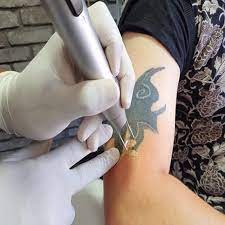

Tattoo Removal First Session: What to Expect, How to Prepare?
Deciding to have a tattoo removed is an important step in itself. The first step of this process, the first session, is decisive in terms of both the general course of the procedure and the response of the skin. The most preferred method for tattoo removal is laser applications. Knowing what you will encounter in the first session both reduces your anxiety and allows you to be prepared.
Preliminary Interview and Skin Assessment
An assessment is usually made before the first session. At this stage, the color, depth, skin type and sensitivity of the tattoo are examined. While some tattoos are on the surface, others may have penetrated into deeper layers. In addition, light-colored skin usually responds more quickly and effectively to laser treatment. This assessment provides information on how many sessions it will take and which type of laser will be used.
The person's health history, medications used and any skin diseases should definitely be questioned. The procedure may be postponed, especially if there is pregnancy, active infection or serious skin problems.
Preparation Before the Procedure
The skin is cleaned before the session and, if necessary, local anesthetic cream is applied. This cream is applied approximately 30–45 minutes beforehand and is used to reduce pain during the procedure. In addition, some centers use devices that cool the skin or air blowers to increase comfort.
It is recommended not to apply any cosmetic products (perfume, cream, makeup) to the area on the day of the procedure. The skin should be clean and dry.
What Happens During Laser Application?
The laser device sends targeted light pulses to the tattoo pigments. This light energy breaks the pigments into microscopic pieces. There may be a slight burning, stinging or rubber-like pain during the procedure. However, this feeling is usually short-lived and is tolerable for most people.
The session duration varies depending on the size of the tattoo. Small tattoos can be completed in 5–10 minutes, while the duration may be slightly longer for larger areas.
Post-Procedure Skin Reaction
Immediately after the first session, slight redness, swelling, increased temperature and sometimes tiny blisters may be seen on the skin. These symptoms are usually temporary and subside on their own within a few days. The application area may remain slightly sensitive for a few days.
A dramatic change in the tattoo should not be expected after the first session. It takes time for the pigments to be removed from the body and visible lightening usually begins after the second or third session.
Care and Next Steps
The skin should definitely be moisturized after the first session. It is very important not to scratch the area and not to peel the crusts if they form. Sun protection is of critical importance during this period; otherwise, color changes may occur on the skin. Sunscreen use should not be neglected for at least 4–6 weeks.
A wait of 4–8 weeks is usually required until the next session. This period is necessary for the skin to recover and the immune system to clear the pigments.
Conclusion
The first session of tattoo removal is very valuable in terms of seeing how your skin will respond to this process. The process is usually short and pain can be minimized with modern methods. When proper care is taken after the application, the skin heals quickly and is prepared healthily for the next session.
Remember, tattoo removal is a process; expecting a miracle in one go is unrealistic. However, if you proceed consciously, you can protect your skin and leave your tattoo behind safely and healthily.
 Call
Call
 Whatsapp