


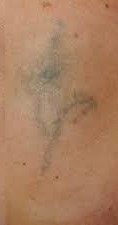

Tattoo Removal Healing Process: What to Expect, What to Pay Attention to?
The process is not over after the tattoo removal process is completed. The most important part is how the body responds to this intervention and how the skin heals. Laser tattoo removal is a procedure that affects the lower layers of the skin. Therefore, the healing process requires both patience and proper care. In this article, we will explain in an understandable language what will happen to the skin after tattoo removal, how the healing process progresses, and what to watch out for.
The First Hours After the Procedure
Some changes can be observed in the skin immediately after laser application. It is completely normal for redness, slight swelling, increased temperature, and sensitivity to occur in the applied area. These symptoms are part of the body's natural inflammatory response. It also means that the tattoo pigments are in the process of breaking down.
Some people may also develop small blisters (blisters) or thin crusts in the application area. This usually resolves on its own within a few days.
First Week: Regeneration Begins
The first 3-7 days after the procedure are the period when the initial healing on the skin surface begins. If there are crusts, they should be expected to fall off on their own. It is never right to pick or scratch. Otherwise, the risk of scarring on the skin increases.
During this period, the skin should be kept clean, not exposed to sunlight, and the recommended moisturizers or barrier creams should be applied regularly. The use of sunscreen is especially important for those with fair skin.
Between 2-4 Weeks: Deep Cleaning Process
Once the initial superficial healing is complete, the body continues to cleanse the pigments through the lymphatic system. This is the period when the real effect of the laser is seen. It is usually during this period that you start to notice that the tattoo is starting to fade. However, in some people, it may take longer for the pigment to be completely removed from the body.
The skin may still be sensitive, so trauma, extremely hot water, and intense physical contact should be avoided during this period.
Why is the Rest Period Between Sessions Important?
Laser tattoo removal is usually not completed in a single session. Depending on the color, depth and skin structure of the tattoo, 4 to 10 sessions may be required. It is recommended to wait at least 4-6 weeks between these sessions.
This waiting period is necessary for the skin to renew itself and for the immune system to remove pigments from the body. Applications made at shorter intervals may cause irritation on the skin and prolong the healing process.
Will There Be a Scar?
The risk of permanent scarring is quite low in laser procedures performed with the right device, in competent hands and with doses appropriate for the skin. However, factors such as the person's skin type, the care they apply during the healing process, sun exposure and genetic predisposition may affect this situation.
Wrong behaviors such as picking the scabs, scratching the area or not using the recommended care products may cause color changes or scars on the skin.
Conclusion
Tattoo removal is a safe and effective method when performed with the right technique. However, the healing process is as important as the procedure itself. Taking care of your skin during this process, being patient and following your doctor's recommendations will both ensure a healthy recovery and help you get rid of the tattoo to the maximum extent.
Remember, the skin is a powerful organ that can renew itself. If you give it time and support, the tattoo removal process can be much more comfortable and successful than you think.
4o
 Call
Call
 Whatsapp