



Tattoo Removal Process: What You Need to Know
Although getting a tattoo may seem like a permanent decision for life, your mind may change over time. Fortunately, thanks to the developing technology today, tattoo removal is possible and quite effective. However, there are some important points to know before starting this process.
Tattoo Removal Methods
The most commonly used method for tattoo removal is laser tattoo removal. Apart from this, there are also options such as chemical peeling, dermabrasion and surgical removal. However, the most effective and least scarring method is laser treatment.
Laser Tattoo Removal
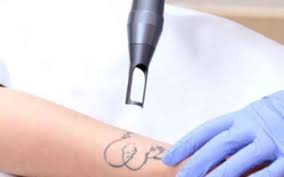
Laser beams break down the tattoo ink and ensure that it is destroyed by the body's immune system over time. The ink decreases a little with each session and after a few sessions, the tattoo is either completely removed or largely faded.
Q-Switch Laser: This is the most widely used technology. It can remove tattoos of various colors thanks to its different wavelengths.
Pico Laser: This is a newer technology and has the potential to remove tattoos faster and with fewer sessions.
How Long Does the Tattoo Removal Process Take?
Tattoo removal is not completed in one go. It can usually take between 4 and 10 sessions, depending on the size, color, depth of the tattoo and the type of ink used.
Black and dark colored tattoos are more easily removed with lasers.
Light colored tattoos (yellow, green, light blue) are more difficult to remove and may require more sessions.
Amateur tattoos are usually more superficial and can be removed more quickly, while professional tattoos are processed deeper and may take longer.
It is usually necessary to wait 6-8 weeks between sessions. This period is necessary for the skin to heal and for the body to remove the broken ink.
Is Tattoo Removal a Painful Procedure?
A slight pain may be felt during the laser tattoo removal process. This pain can be compared to the pain felt while getting a tattoo, but it lasts less. Local anesthetic creams can be applied before the procedure to reduce the pain. In addition, comfort can be increased with cooling techniques.
Side Effects and Healing Process
Some mild reactions may be observed on the skin after laser tattoo removal:
Redness and mild swelling: This usually subsides within a few hours.
Scaling and mild peeling: It is important not to pick the crusts during this process.
Temporary color changes: Especially in people with dark skin, mild blemishes may sometimes occur, but they will improve over time.
It is very important to protect yourself from the sun during the healing process. Sun rays can increase the sensitivity of the skin and cause blemishes. Therefore, it is necessary to use sunscreen and avoid direct sunlight for at least a few weeks after the procedure.
Is Tattoo Removal Suitable for Everyone?
Tattoo removal is safe for most people, but caution should be exercised in some cases:
It is not recommended for pregnant and breastfeeding women.
A doctor's approval should be obtained in advance for those with skin diseases or wound healing problems.
Mild pigment changes may occur in people with very dark skin tones.
Conclusion: Tattoo Removal is Possible but Requires Patience
Tattoo removal is done with highly advanced technology today and successful results are achieved. However, it is important to know that this process takes time and that not every tattoo can be completely removed. If you want your tattoo to disappear completely, you can determine the most suitable method for you by consulting a professional expert.
If you want to get rid of your tattoo but have questions in mind, you can learn the process in more detail by consulting a dermatologist or medical aesthetics specialist. Remember, with the right method and expert selection, you can return your skin to its former state in a healthy way!
 Call
Call
 Whatsapp