


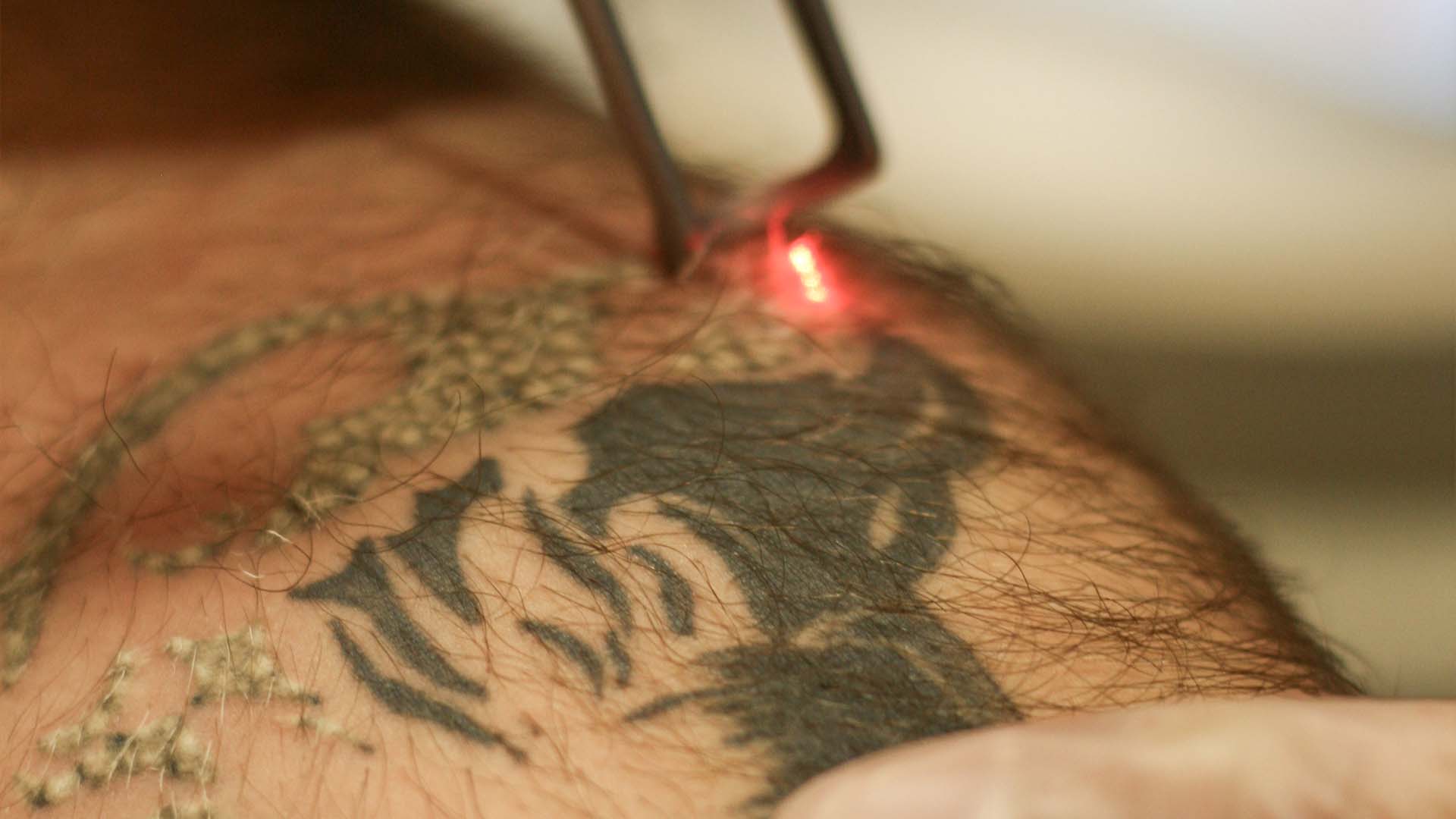

Tattoo Removal Session Stages: Step by Step Laser Removal Process
A tattoo is a permanent procedure applied to the lower layers of the skin. Therefore, its removal also requires a careful and controlled process. Laser tattoo removal, which is the safest and most effective method today, is completed in more than one session. In this article, we want to explain the session stages of the tattoo removal process step by step, in a way that the public can understand.
1. Preliminary Interview and Skin Assessment
A preliminary examination is performed by the specialist physician before the procedure begins. At this stage:
The size, color, depth and age of the tattoo are evaluated.
The person's skin type and any past skin disorders are taken into consideration.
A rough plan is made for how many sessions it may take.
The patient is informed about expectations and results.
This interview is the basis of a healthy treatment plan.
2. First Session Application
In the first session, the reaction of the tattoo is usually measured. The laser device sends energy at a special wavelength to the tattoo pigments, and this energy breaks down the pigments and ensures that they are destroyed by the body's immune system over time.
The area is cleaned before the procedure, and local anesthetic cream can be applied if necessary.
Laser shots usually last a few minutes (depending on the size of the tattoo).
There may be slight redness, swelling or a burning sensation after the application. This is normal.
3. Post-Session Care Process
The skin's healing process begins after the procedure. During this period:
It is recommended not to let water come into contact with the area for a few days.
Sun protection is of great importance; if necessary, a high protection factor sunscreen is used.
There may be crusting or slight peeling. It should never be picked.
Moisturizing and restorative creams recommended by the physician should be used regularly.
4. Intermediate Period (Waiting Period Between Sessions)
There is usually a wait of 4 to 8 weeks between each session. During this period, the skin heals and the body breaks down and expels the pigments. Adhering to the session intervals is very important for both effectiveness and skin health.
5. Follow-up Sessions
Depending on the condition of the tattoo, an average of 4 to 10 sessions may be required. After each session, the tattoo will lighten in color, fade, and become less visible. Colorful tattoos or deeply placed patterns may take longer.
6. Final Evaluation
After all sessions are completed, the result on the skin is evaluated. If the tattoo has been largely removed, the process is terminated. In cases where there is a slight scar or color difference, supportive procedures (such as fractional laser) may be recommended.
In Conclusion
Tattoo removal is a process; it requires patience, regular follow-up, and expert control. Careful planning of sessions, attention to skin care, and realistic expectations are of great importance for a healthy result. It is essential for the procedure to be performed by expert physicians, with medical devices, and in sterile environments in terms of both safety and aesthetic results.
 Call
Call
 Whatsapp