



Teeth grinding is a condition that needs to be treated as it can cause serious health problems in the long term. Early diagnosis and appropriate treatment can significantly improve patients' quality of life.
Symptoms of Teeth Grinding Disease
The main symptoms of teeth grinding disease are:
1. Wear, breakage or cracks in the teeth
2. Pain, tenderness or tension in the chewing muscles
3. Headache, especially in the morning
4. Jaw, neck or back pain
5. Earache or ringing
6. Grinding noises in sleep
7. Frequent waking up during sleep
8. Fatigue and restlessness
These symptoms may vary depending on the degree of teeth grinding disease. While some patients experience only mild symptoms, others may experience more severe problems.
Causes of Teeth Grinding Disease
Causes of teeth grinding include:
9. Stress and Anxiety: High stress levels and anxiety can trigger teeth grinding.
10. Sleep Disorders: Sleep apnea, insomnia, or other sleep problems can increase the risk of teeth grinding.
11. Personality Traits: Some personality types may have a tendency to clench their teeth. For example, people who are perfectionists or overly anxious may be more prone to it.
12. Genetic Factors: The susceptibility of some people to teeth grinding disease may be associated with genetic factors.
13. Incompatible or Incorrect Tooth Closure: Problems in the jaw and tooth structure can trigger teeth clenching.
14. Medication Use: Some medications may increase the risk of teeth grinding.
These reasons may play an important role in the development of teeth grinding disease. Correct diagnosis and appropriate treatment can significantly improve patients' quality of life.
Effects of Teeth Grinding Disease
The negative effects of teeth grinding disease are:
15. Tooth and Jaw Problems: Teeth wear, breakage, cracks, gum recession and problems in the jaw joint may occur.
16. Muscle and Joint Pain: Pain, tension and joint problems may occur in the chewing muscles.
17. Headaches: Teeth grinding can cause frequent headaches.
18. Sleep Disorders: Creaking at night can reduce sleep quality, resulting in fatigue, restlessness and difficulty concentrating.
19. Psychological Effects: Teeth grinding can increase stress and anxiety levels and negatively affect a person's quality of life.
20. Aesthetic Problems: Wear and deformations on teeth can negatively affect a person's appearance.
These effects may vary depending on the severity of teeth grinding disease. Early diagnosis and appropriate treatment can significantly improve patients' quality of life.
Diagnosis of Teeth Grinding Disease
The following steps can be followed to diagnose teeth grinding disease:
21. Clinical Examination: The dentist evaluates the wear, breaks or cracks in the teeth, and the tension and sensitivity in the chewing muscles.
22. Anamnesis: Information is collected about the patient's medical history, symptoms, lifestyle and habits.
23. Sleep Test: If necessary, the patient's teeth grinding sounds during sleep can be recorded.
24. Imaging Tests: Imaging tests such as x-ray, MRI or CT may be performed to detect teeth, jaw and joint problems.
25. Electromyography (EMG): This test, which measures the activity of the chewing muscles, can be used to confirm the act of clenching the teeth.
As a result of a comprehensive evaluation, the dentist diagnoses teeth grinding disease and determines appropriate treatment methods.
Treatment of Teeth Grinding Disease
The following methods can be used to treat teeth grinding disease:
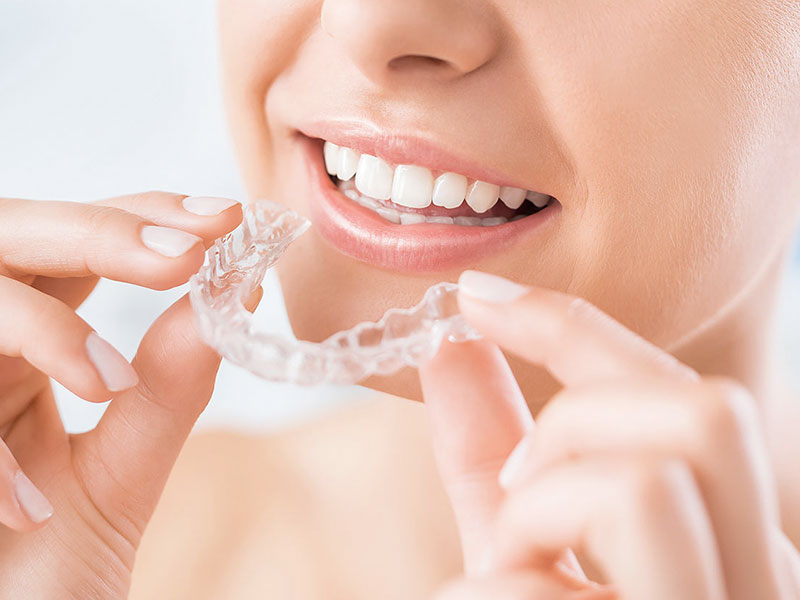
26. Night Protective Plates: The dentist can prepare special protective plates to prevent the teeth from touching each other.
27. Botulinum toxin Application: Botulinum toxin injections into the chewing muscles can relax the muscles.
28. Physiotherapy and Massage: Physical therapy and massage techniques can be applied to relax the chewing muscles.
29. Stress Management: It is aimed to reduce stress through methods such as psychotherapy, relaxation techniques, yoga or meditation.
30. Medication: Medications such as painkillers, muscle relaxants or antidepressants can be used to reduce symptoms.
31. Surgical Treatment: Surgical intervention may be required to solve problems in the jaw joint.
The treatment method is determined by the patient's symptoms, causes and individual needs. A multidisciplinary approach can provide the most effective results.
Methods to Cope with Teeth Grinding Disease
The following methods can be used to deal with teeth grinding:
32. Stress Management: Reducing stress and anxiety levels through methods such as yoga, meditation, relaxation exercises or psychotherapy.
33. Sleep Hygiene: Regular sleeping hours, a relaxing bedroom environment and using noise blockers during sleep.
34. Jaw Exercises: Doing exercises that strengthen and relax the chewing muscles.
35. Hot/Cold Applications: Applying hot or cold compresses to the chewing muscles can reduce pain.
36. Protection of Teeth: Using night protective plates can prevent damage to teeth.
37. Lifestyle Change
Teeth Clenching Disease
Free Information,
Consultation and Appointment Request
 Call
Call
 Whatsapp