


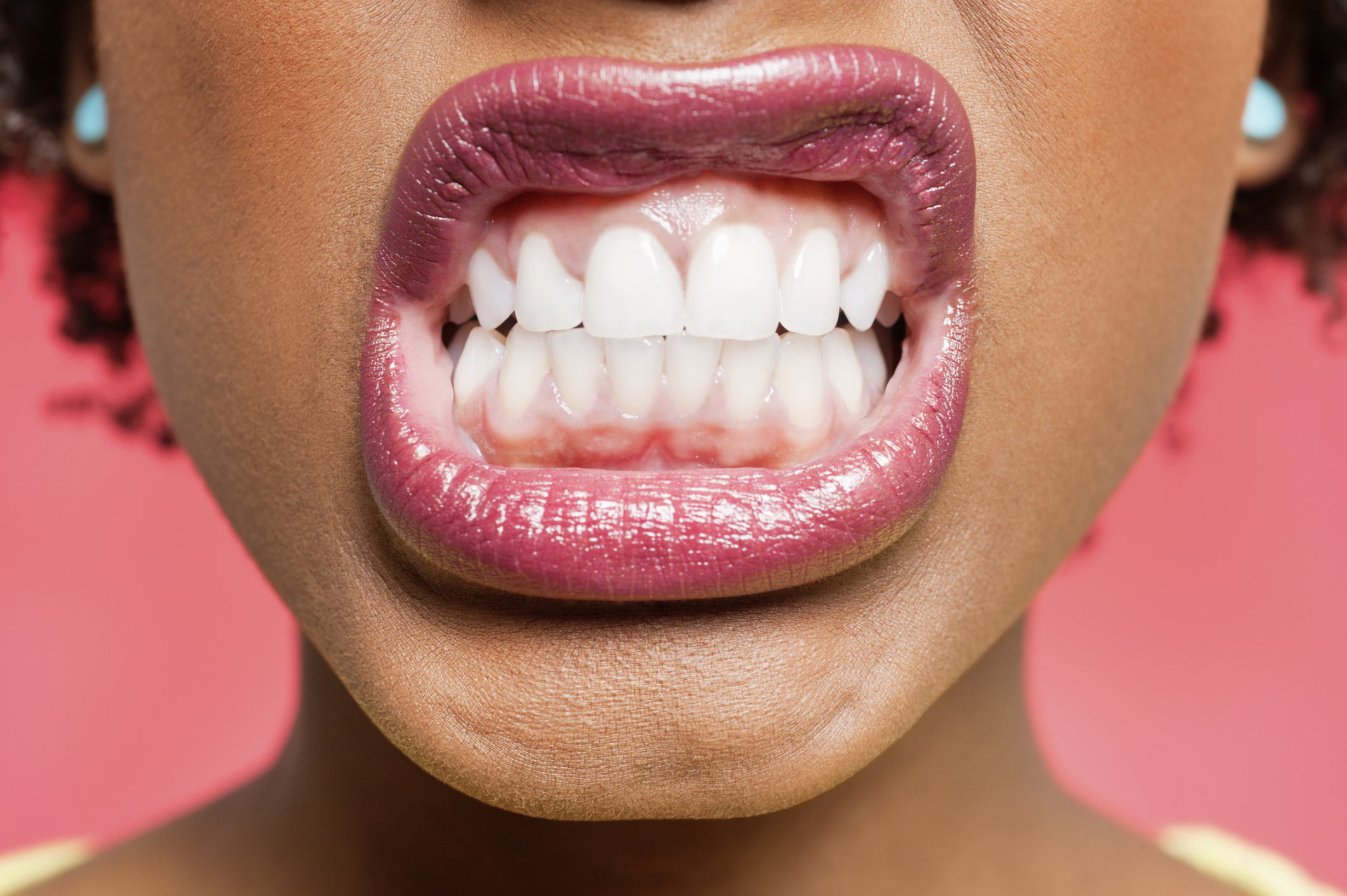

Clenching means pressing and grinding the teeth together.
Teeth grinding is an uncomfortable situation for most people. This problem can cause worn teeth, sore jaw muscles, and headaches. Teeth clenching can also prevent a person from resting, especially since it occurs during sleep.
Teeth grinding usually occurs due to stress, anxiety or some health problems. The person's lack of awareness and failure to control this habit may cause the problem to progress.
The Effect of Teeth Grinding on Headaches
Teeth grinding is one of the most common causes of headaches. Overwork of the jaw muscles can cause headaches, neck pain, and facial pain.
Teeth clenching causes tension in the jaw joints and jaw muscles. This intensity may turn into a starting point over time. Clenching the teeth can also cause tears and breaks in the teeth, which can lead to initiation damage.
Teeth grinding often causes tension headaches. This type of headache manifests itself as a feeling of pressure or relaxation felt in the back of the head or in the temples. Sometimes teeth grinding can also cause migraine-type headaches.
Causes of Teeth Grinding
There can be many reasons for teeth grinding, but the most common reasons are as follows:
Stress and Anxiety: High stress or anxiety situations can lead to teeth grinding problems. A person may unconsciously develop the habit of grinding their teeth to cope with stressful situations.
Sleep Disorders: Sleep problems such as sleep apnea, sleep-disordered breathing, or sleeping patterns can increase the risk of teeth grinding.
Disturbing Teeth Position: Improper positioning of teeth or ongoing problems can cause teeth clenching.
Some Medications: Some systems can sustain burning, such as clenching your teeth. For example, antidepressants, transporters, or muscle relaxants may increase the risk of teeth grinding.
Lifestyle Factors: Factors such as excessive caffeine or alcohol consumption, smoking, and inadequate sleep can contribute to teeth grinding.
Examples of Teeth Grinding Headache
The most common indicators of initial flares from teeth grinding are:
Feeling of pressure or tension in the temple, forehead or nape area
Pain or tenderness in the face, jaw, or neck muscles
Ear hanging or ringing
Teeth grinding sound while sleeping
Chipped or broken teeth
Pain or locking in the jaw joints
These formations are usually felt more severely when you wake up in the morning. Do not increase during stressful or busy periods during the day.
Methods to Reduce Teeth Grinding Headaches
Various practices can be applied to reduce headaches caused by teeth grinding. Among them:
Stress Management: Stress-reducing activities such as yoga, exercise, breathing exercises indicate teeth grinding problems and related headaches.
Oral Protective Devices: Night protective plates or apparatus recommended by the dentist prevent headaches by preventing the connection of the teeth.
Treatment: Physical therapy of the jaw muscles and parts can be effective in reducing headaches.
Drug Treatment: If necessary, painkillers or muscle relaxants prescribed by the doctor can be used to relieve the headache.
Botulinum toxin Application: Botulinum toxin swelling applied to the jaw muscles causes the muscles to relax, causing headaches.
Living Conditions Certificates: Adequate sleep, regular nutrition, regular exercise and reducing caffeine/alcohol consumption can improve teeth grinding and headaches.
Home Treatments for Teeth Grinding Headache
Various uses can be applied at home to relieve headache caused by teeth grinding:
Hot Application: Hot compresses on the chin and facial area are shown, muscle expansion continues.
Massage: Massage of the jaw, face and neck muscles can provide comfort.
Relaxation Exercises: Stretching, relaxing and stretching the jaw and facial muscles can relieve pain.
Reducing Stress: Stress-reducing activities such as yoga, walking, and deep breathing can improve teeth grinding problems.
Ice Application: Ice packs on the jaw and face are shown to relieve pain and popping.
Natural Painkillers: Painkillers such as ibuprofen, paracetamol or herbal nutrition can relieve headaches.
These changes can temporarily relieve headaches, but professional treatments can also be applied for a permanent solution.
Professional Treatments for Teeth Grinding Headaches
It is important to seek professional help for the treatment of headache caused by teeth grinding. The following professional treatment options are available:
Dentist Examination: The dentist evaluates the teeth, continuations and jaw attachments. Appropriate mouth protection device may be prescribed.
Physiotherapy: Physical therapy of the jaw muscles and parts can be effective in reducing headaches.
Botulinum toxin Injection: Botulinum toxin injections applied to the jaw muscles can relieve headaches by allowing the muscles to relax.
Psychotherapy: Psychotherapy for stress and anxiety management, teeth clenching question
 Call
Call
 Whatsapp