


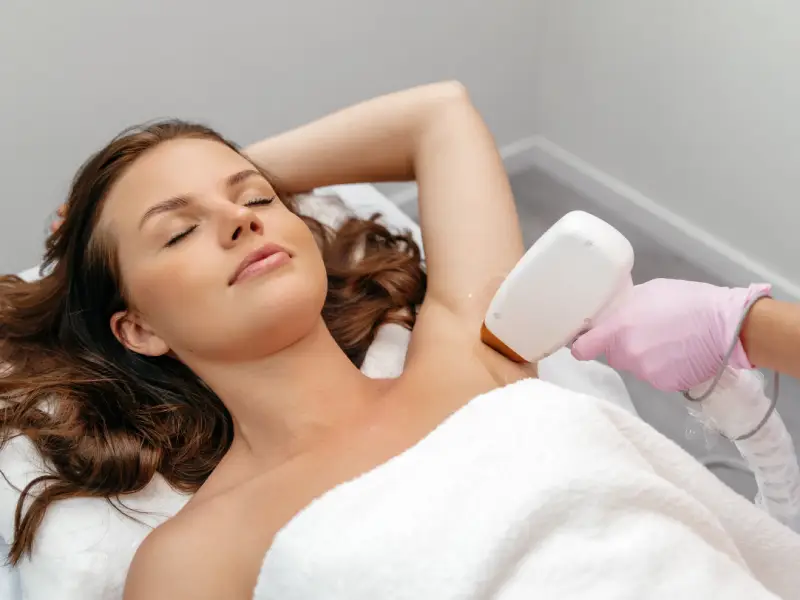

Laser hair removal is one of the procedures preferred to achieve a long-term reduction in the density of unwanted hair. This article addresses the most frequently asked questions about laser hair removal in Ankara. It covers how the procedure works, how many sessions may be needed, who may be suitable and what should be considered after treatment.
What Is Laser Hair Removal in Ankara?
Laser hair removal is based on the absorption of specific wavelengths of light energy by the melanin pigment in the hair follicles. The controlled heat generated through this absorption aims to affect the follicles and weaken their ability to produce new hair.
The outcome may vary according to the person’s skin tone, hair structure, hair colour, treatment area, hormonal characteristics and the laser system used. The same device, energy setting or session plan should not therefore be considered suitable for everyone.
People considering laser hair removal in Ankara should undergo an assessment before the procedure. Skin type and the thickness, density and colour of the hair may be examined during this assessment. Current medication, recent sun exposure and existing skin sensitivity may also affect the treatment plan.
What Are the Advantages of Laser Hair Removal?
The advantages of laser hair removal include the potential for a long-term reduction in hair density and a reduced need for traditional hair-removal methods. Following regular sessions, the hair may become sparser, finer and slower to grow.
Waxing, epilators and frequent shaving may require regular repetition. As the laser hair removal process progresses, personal-care routines may become easier to manage. However, the results may vary from person to person.
Problems such as the appearance of ingrown hairs, redness and irritation after shaving or waxing may also decrease as hair density is reduced. Temporary redness, sensitivity or warmth may nevertheless occur after laser hair removal.
The duration of the procedure depends on the size of the treatment area. Small areas such as the face or underarms may be completed more quickly, while larger areas such as the legs, back or full body may take longer.
Common Misconceptions About Laser Hair Removal
One common misconception about laser hair removal is that the procedure is completely painless for everyone. The sensation experienced during treatment varies. Some people feel only warmth, while others may experience mild stinging or a sensation similar to a rubber band snapping against the skin.
Another misconception is that a single laser system is equally suitable for every skin and hair type. Skin tone, hair thickness and melanin content are important when selecting a device. Although light skin and dark hair may show a more noticeable response to laser energy, different laser technologies can be used for a range of skin types.
It is also incorrect to assume that all hair will disappear after the first session. Not all hairs are in the active growth phase at the same time. Since laser energy may act more noticeably on actively growing hairs, sessions are repeated at planned intervals.
Realistic expectations should also be established regarding the permanence of laser hair removal. The procedure aims to achieve a long-term reduction in hair density. Some fine hairs may regrow over time because of hormonal changes or individual characteristics, and maintenance sessions may be required.
How Does the Laser Hair Removal Process Work?
The laser hair removal process begins with an initial assessment. The person’s skin and hair characteristics are examined. The treatment areas, device, energy settings and session intervals are then planned accordingly.
Before the procedure, the hair should not be removed from the root using waxing, tweezers or an epilator. Preserving the hair follicle is important so that the laser energy can reach its intended target. Shaving may be performed at the time recommended by the practitioner.
The treatment area should be clean on the day of the procedure. Perfume, deodorant, cream, makeup and heavy cosmetic products may need to be removed. Current medications and skincare products should be disclosed before treatment.
During the procedure, the laser handpiece is moved across the selected area and short pulses of light are delivered. Depending on the device, different cooling systems may be used to reduce the sensation of heat.
The interval between sessions varies according to the treatment area and the person’s hair-growth cycle. Session intervals for the face may differ from those used for the legs or back. The initial plan may be updated according to the response observed during treatment.
What Affects the Cost of Laser Hair Removal in Ankara?
The cost of laser hair removal in Ankara may vary according to the size of the treatment area, the scope of the procedure, the technology used and the planned number of sessions. A small area and a procedure involving several large areas are not assessed in the same way.
The number of sessions that may be needed according to the person’s skin and hair characteristics can also affect the cost. It may not always be possible to determine the exact treatment scope or cost before an individual assessment.
A treatment provider should not be selected solely on the basis of cost. The suitability of the device for the person’s skin and hair type, hygiene conditions, practitioner qualifications and the quality of the pre-treatment assessment should also be considered.
How Should the Skin Be Cared for After Laser Hair Removal?
Aftercare following laser hair removal is important for managing skin sensitivity. Temporary redness, warmth or mild swelling may occur in the treated area. These effects usually decrease within a short period.
Fragrance-free moisturisers without irritating ingredients may be used as recommended by the practitioner to support the skin’s moisture balance. Strong exfoliation, scrubbing and abrasive skincare treatments should be avoided.
Very hot showers, saunas, Turkish baths and intense exercise may increase skin temperature and should be avoided for the recommended period. Fragranced or alcohol-based products should not be used while sensitivity continues.
Sun protection is an important part of post-treatment care. A broad-spectrum sunscreen should be used on exposed areas and reapplied as necessary. Sunbathing and tanning beds should also be avoided for the period specified by the practitioner.
Hair should not be removed from the root with waxing, epilators or tweezers between sessions. Shaving may be used when necessary without irritating the skin, but the practitioner’s timing recommendations should be followed.
The treatment provider should be contacted if prolonged redness, severe burning, blistering, crusting or noticeable changes in skin colour occur.
The 7 Most Frequently Asked Questions About Laser Hair Removal
1. Does laser hair removal hurt?
The level of discomfort experienced during laser hair removal depends on the person’s pain threshold, treatment area, hair density and device. Mild warmth, stinging or a sensation similar to a rubber band snapping against the skin may occur. Devices with cooling features may support comfort during treatment.
2. How many sessions does laser hair removal require?
The number of laser hair removal sessions is not the same for everyone. Skin type, hair colour, hair thickness, hormonal characteristics and the treatment area may affect the number required. An estimated plan may be created after the initial assessment and adjusted according to the response.
3. Is laser hair removal permanent?
Laser hair removal aims to provide a long-term reduction in hair density. Some hair may regrow after treatment or fine hair may appear over time. Hormonal changes may make maintenance sessions necessary in the future.
4. Who can have laser hair removal?
Laser hair removal may be planned for people with different skin and hair types. However, active skin infections, open wounds, severe sunburn and medications that increase sensitivity to light should be assessed. Individual advice should be obtained when treatment is being considered during pregnancy or breastfeeding.
5. Does laser hair removal have side effects?
Temporary redness, mild swelling, warmth or sensitivity may occur after the procedure. An unsuitable device or energy setting, intense sun exposure and failure to follow aftercare recommendations may increase the risk of unwanted skin reactions.
6. How long do laser hair removal sessions take?
The duration of a session depends on the size of the treatment area. Small areas may be completed quickly, while larger areas such as the legs, back or full body may take longer. The size of the device handpiece and the operating system may also affect the duration.
7. Which areas can be treated with laser hair removal?
Laser hair removal may be applied to areas such as the legs, arms, underarms, back, chest, bikini area and suitable parts of the face. It is not applied around the eyes. Fine facial hair should be assessed carefully before treatment.
An initial assessment at Ankara Lazer may help determine the appropriate device, session intervals and aftercare plan according to the person’s skin and hair characteristics. Establishing realistic expectations, attending sessions regularly and following individual aftercare recommendations are important throughout the process.
 Call
Call
 Whatsapp