


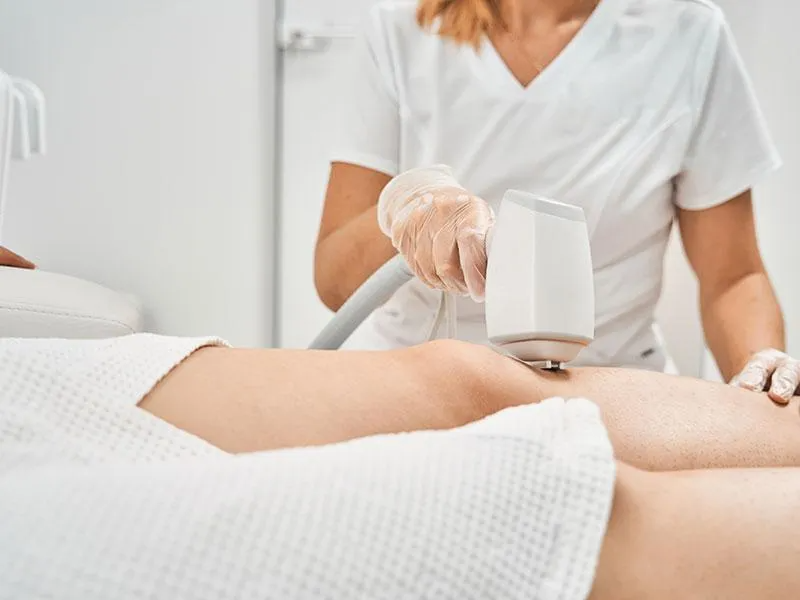

The topic of “the effect of laser on menstruation” is among the most frequently asked questions by women considering laser hair removal. Laser hair removal is a commonly preferred method for getting rid of unwanted hair. However, it is important to have clear information about its effects on the menstrual cycle.
Many women are concerned about how laser hair removal might affect their menstrual cycle. Factors such as hormonal changes, pain threshold, and skin sensitivity should be taken into account during this process. Each individual’s experience may differ, so making a personal evaluation is the most appropriate approach.
There is no definitive evidence that laser hair removal directly affects the menstrual cycle. However, stress experienced during or after the procedure or temporary skin sensitivity may have indirect effects. Therefore, it is beneficial to be cautious before and after the procedure.
What Is the Menstrual Cycle and Why Is It Important?
The menstrual cycle is an important biological process for a woman’s reproductive health. This cycle typically occurs every 28 days and helps maintain hormonal balance. Menstruation occurs when the lining of the uterus sheds, and various changes take place in the body during this process.
A regular menstrual cycle is an indicator of overall health. Hormonal imbalances, stress, poor nutrition, or certain health conditions may affect the regularity of the cycle. Therefore, it is recommended to monitor the menstrual cycle and consult a specialist in case of irregularities.
The importance of the cycle is not limited to reproductive health. Hormonal changes during menstruation can affect mood, energy levels, and overall well-being. For this reason, monitoring personal care and health status is critical for maintaining a balanced lifestyle.
What Is Laser Hair Removal and How Does It Work?
Laser hair removal is a popular method used to reduce unwanted hair. Its working principle is based on the laser light penetrating hair follicles and targeting these areas to reduce hair growth over time. This method is generally preferred by those seeking smoother skin.
The mechanism of laser hair removal begins with applying laser light of a specific wavelength to the skin surface. This light is absorbed by the pigment in the hair follicles and converts into heat, weakening the follicles. This process slows down the hair growth cycle and results in finer and less dense hair over time.
For this method to be effective, it requires a certain period and regular sessions. Applications are typically carried out in sessions spaced 4 to 6 weeks apart. However, this duration may vary depending on individual skin structure and hair characteristics. The most appropriate approach is to create a personalized treatment plan after a detailed evaluation at a professional clinic.
When Should Laser Hair Removal Be Done?
The question “when should laser hair removal be done?” is important for those considering this procedure. The ideal timing should be determined by taking into account skin type, season, and personal cycles.
Laser hair removal is generally recommended during the winter months. This is because sun exposure increases the risk of skin irritation and pigmentation. Since sun exposure is higher during the summer, it is usually not recommended to undergo laser hair removal during this period.
Considering the menstrual cycle, laser hair removal during menstruation is generally not recommended. During this time, the body may be more sensitive, and pain threshold may decrease. Additionally, hormonal changes may affect skin reactions. For the most suitable timing, it is best to consult a specialist while considering your personal cycle.
General Information About Laser Hair Removal Applications
Laser hair removal applications are developed to suit many different skin types and hair structures. In large cities like Ankara, there are many specialized clinics in this field. Ankara Life Polyclinic is one of the centers that provides professional services in this area.
In general, laser hair removal can be applied to areas such as the face, legs, arms, underarms, and bikini area. Each area requires a different treatment plan, which is determined according to the individual’s skin and hair structure. In the first step, the skin is evaluated by a specialist and the most suitable laser type is selected.
Some side effects may occur during and after the applications. For example, temporary redness or mild swelling is common. However, these effects are usually short-lived and resolve on their own. In case of any adverse effect, it is important to contact the clinic where the procedure was performed.
Potential Effects of Laser Hair Removal and Personal Experiences
The potential effects of laser hair removal may vary from person to person. These may include temporary redness, mild swelling, and sensitivity on the skin. Therefore, proper skincare before and after the procedure is important.
Personal experiences provide valuable insights into the effectiveness of laser hair removal. For example, some users report a noticeable reduction after a few sessions, while for others, results may take longer. This is due to differences in individual skin structure and hair density.
To have the best possible laser hair removal experience, it is important to follow expert recommendations and maintain your skincare routine. Using daily moisturizers and sun protection products can help protect your skin. Additionally, in case of any negative experience, it is beneficial to contact the clinic and seek professional advice.
 Call
Call
 Whatsapp