


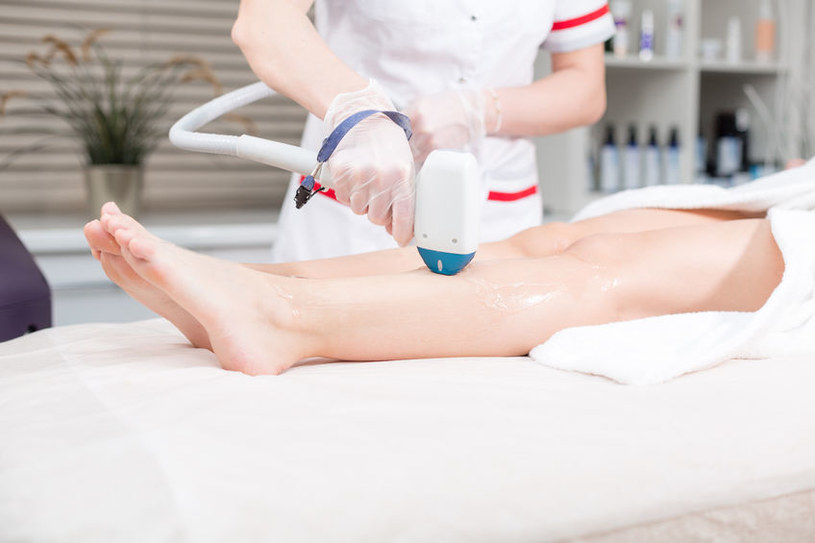

Laser hair removal is a method used to safely and effectively remove unwanted hair. In this method, high-energy light beams focus on the hair roots and permanently eliminate the hair. Laser hair removal provides faster, less painful and longer-lasting results than traditional hair removal methods.
Lasers with different wavelengths are used in laser hair removal. These lasers are selected according to the hair color and skin type. Thus, it targets the melanin pigment in the hair roots and safely removes the hair. This method offers an effective solution especially in sensitive areas such as the face, legs, arms, back and bikini area.
Laser hair removal provides more permanent results than traditional hair removal methods. However, since each individual's skin type and hair structure are different, it should not be forgotten that the results may vary from person to person. Regular and correctly applied laser hair removal helps to reduce unwanted hair in the long term.
Effect and Results of Laser Hair Removal
Laser hair removal is a method that prevents hair growth by targeting the hair roots. This method aims to stop the hair growth by breaking down the melanin pigment in the hair follicles. Thus, the hairs weaken and fall out over time.
Laser epilation is especially effective on thick and dark hair. However, more sessions may be required for thin and light hair. In addition, skin type and hair structure also affect the effectiveness of laser epilation.
Laser epilation provides more permanent results than traditional hair removal methods. Generally, a treatment process of 6-8 sessions is required. It is recommended to wait 4-8 weeks between each session. This period is important to prevent hair regrowth and achieve more effective results.
After laser epilation, a significant decrease in hair is observed. However, the results may vary depending on each individual's skin and hair structure. While hair loss occurs faster in some people, it may occur more slowly in others. Regular and correctly applied laser epilation helps to reduce unwanted hair in the long term.
Laser Epilation First Session Experience
My first laser epilation experience was both exciting and a little worrying. I had never had this procedure done before, so I wasn’t sure what to expect. However, after being briefed by a qualified aesthetician, my concerns were largely alleviated.
The first session lasted around 30-45 minutes. The aesthetician cleaned the area and applied a numbing cream before using the laser device. This was an important step in reducing any discomfort I might feel during the procedure.
During the laser treatment, I felt a slight heat and pressure. Although I felt more discomfort in some areas, it was generally bearable. The aesthetician gave me constant feedback during the procedure and asked how I was feeling. This made the procedure more comfortable.
After the procedure, I felt a slight redness and tenderness in the area. However, the aesthetician explained the care routine to me and said that these symptoms would subside in a short time. Indeed, within a few days, the redness and tenderness disappeared and the area returned to normal.
Why Didn’t I Shed After the First Laser Hair Removal Session?
There are a few reasons why I didn’t experience shedding after the first laser hair removal session. First of all, the hair follicles may not have been damaged enough during the laser application. Sometimes, the energy level required for the hair follicles to be completely broken down may not be reached in the first session.
In addition, since each individual's skin and hair structure is different, the results may also vary from person to person. Some people's hair may be more resistant and require more sessions. Therefore, it may be normal for shedding not to be seen in the first session.
Another reason may be the hair growth cycle. Laser epilation targets hairs in the active growth phase. However, dormant hairs may not be affected. Therefore, hair shedding may not be observed immediately after the first session.
As a result, it is normal for there to be no shedding after the first session of laser epilation. More visible results are usually observed after 3-4 sessions. Regular and correctly applied laser epilation will help reduce unwanted hair in the long term.
Laser Epilation Shedding Process
The hair shedding process after laser epilation usually takes place between a few days and a few weeks. This process may vary depending on the person's skin and hair structure, the applied laser energy level and the treatment area.
In the first few days, the hairs start to fall out slightly. This shows the effect of the laser treatment. The damage to the hair follicles prevents the hair from growing, forcing them to fall out.
The shedding process usually continues for 1-2 weeks. During this time, the hairs gradually fall out and the area gains a smoother appearance. While shedding occurs more quickly in some people, it may be slower in others.
Regular laser
 Call
Call
 Whatsapp