


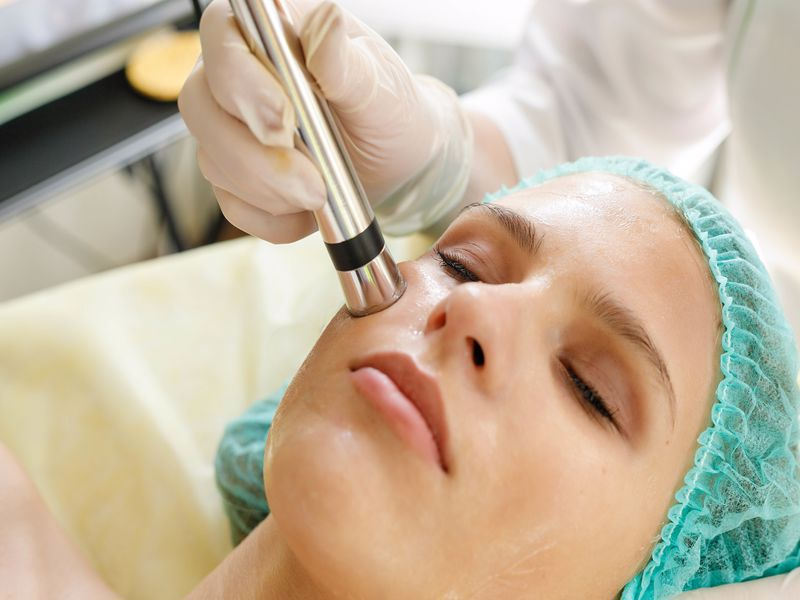

Capillary vessel treatment is an aesthetic application that aims to reduce the visibility of thin vessels close to the skin surface. This treatment is usually frequently applied on the legs and face area. The purpose of the procedure is to destroy capillary vessels that create visual discomfort and ensure that the skin gains a smoother and more homogeneous appearance. Among the treatment methods are various techniques such as laser treatment, sclerotherapy, and radiofrequency. Each method has its own advantages and targets.
These treatments for capillary vessels are generally considered short-term and low-risk procedures. However, there are some points that should be considered after treatment. These precautions are quite important in order to increase the success of the treatment and minimize possible complications. In addition, it is necessary to follow these rules in order to preserve the effectiveness of the treatment for a long time.
Although the treatment process may seem simple, following expert recommendations is critically important for the permanence of the results and the protection of skin health. In this article, you can find detailed information about the things to consider after capillary vessel treatment and learn how to manage the post-treatment process in the best way.
Things to Consider After Capillary Vessel Treatment
Many patients want to return to their normal lives quickly after capillary vessel treatment. However, there are some important points that should be considered in the post-treatment period. These precautions are necessary to increase the effectiveness of the treatment and protect your skin health.
Sun Protection: After treatment, your skin becomes more sensitive. Therefore, you should avoid exposure to the sun and definitely use a high-factor sunscreen when going outside. Sun rays may cause color change in the treated area.
Avoiding Tight Clothing: You should avoid tight clothes that may apply pressure to the treated area. This may negatively affect the healing of the treatment area and lead to unwanted side effects.
Washing with Warm Water: Avoid hot water when washing your skin after treatment. You can wash your skin using warm water and gentle cleansers. This protects your skin from irritation.
These simple but effective precautions make it easier for you to get the expected results after treatment. Since each individual’s skin structure is different, it is also important to follow your specialist’s recommendations exactly.
Healing Process After Capillary Vessel Treatment
The healing process after treatment may vary according to the applied method and individual skin structure. Generally, the recovery time is short and may vary between a few days and a few weeks. During this period, temporary side effects such as mild redness, swelling, or bruising may be seen on the skin. These are normal and usually resolve on their own.
The most important point to consider during the healing process is not to cause any irritation or infection on the skin. Therefore, attention should be paid to the contents of skin care products and products with chemical ingredients should be avoided. In addition, it is also important to avoid heavy physical activities and excessive sweating during the healing period.
If your symptoms last longer than expected or become more severe, you should definitely contact your doctor. Evaluations to be made under specialist control help the early diagnosis of possible complications and ensure that necessary precautions are taken.
Nutrition Recommendations After Capillary Vessel Treatment
Nutrition can positively affect the healing process after capillary vessel treatment. Consuming foods rich in antioxidants helps you protect your skin health. Especially foods containing vitamin C and vitamin E can accelerate the healing process by increasing the elasticity of the skin.
Drinking plenty of water in the post-treatment period is important in terms of maintaining the moisture balance of the skin. Sufficient water consumption supports the renewal process of the skin and makes it easier for toxins to be removed from the body. In addition, avoiding caffeine and alcohol can also positively affect your skin health.
When creating your nutrition plan, take care to follow a balanced diet. It may be useful to focus on the following food groups:
Fruits and Vegetables: Especially dark green leafy vegetables and orange fruits.
Whole Grains: Whole grains such as oats and quinoa.
Healthy Fats: Healthy fat sources such as olive oil and avocado.
These recommendations help your skin look healthier and more vibrant by nourishing it from the inside.
Exercise and Activity After Capillary Vessel Treatment
Although exercise and physical activity generally support body health, it is a subject that should be approached carefully after capillary vessel treatment. Avoiding heavy exercises for the first few days is important in terms of preventing irritation that may occur in the treated area. You can start with low-intensity activities such as light walks or yoga.
In the post-treatment period, especially in treatments applied to the leg area, raising the legs regulates blood circulation and can accelerate the healing process. However, since each individual’s healing process may be different, you should take your doctor’s recommendations into account before starting exercise.
Another point to consider after capillary vessel treatment is to avoid activities such as sauna or hot baths. Such activities may increase the temperature of the treated area and lead to unwanted side effects. Therefore, it is best to wait for your skin to heal completely.
Skin Care After Capillary Vessel Treatment
Skin care after capillary vessel treatment is quite important to ensure the permanence of treatment results and protect skin health. Treating the treated area gently and using appropriate skin care products positively affects the healing process.
Gentle Cleansing: Wash your skin twice a day with a gentle cleanser. Avoid harsh chemicals and do not irritate your skin.
Moisturizing: Protect the moisture balance of your skin by using a good moisturizer. Make sure that your moisturizer is suitable for sensitive skin.
Use of Sunscreen: Protect your skin from the harmful effects of the sun by applying sunscreen several times a day.
These simple skin care steps help your skin remain healthy and the treatment results last longer.
Things to Know About Capillary Vessel Treatment
Although capillary vessel treatment is an aesthetic application, there are some important points that should be known before and after the procedure. Before starting treatment, a detailed skin analysis should be performed to evaluate whether the application is suitable for you. In addition, having information about treatment methods and expectations ensures that the process is more comfortable.
It is also important to obtain information about side effects that may occur after treatment. Although serious side effects are rare, in some cases permanent scars or color changes may occur on the skin. In order to minimize such risks, it is important to carefully follow post-treatment care recommendations.
Finally, you should not neglect control appointments after capillary vessel treatment. These appointments are important in terms of monitoring treatment results and performing additional interventions when necessary. By following your specialist’s recommendations, you can manage the treatment process in the best way.
Frequently Asked Questions After Capillary Vessel Treatment
Answering some frequently asked questions about the process after capillary vessel treatment provides more information about the treatment and can eliminate the question marks in your mind.
1. Is pain felt after treatment?
The treatment may usually create a mild feeling of discomfort, but this condition is generally short-term and passes within a few days. Mild painkillers can be used during the healing process, but do not take medication without consulting your doctor.
2. How long does it take to see treatment results?
Treatment results usually appear within a few weeks. However, it may take several months for the full results to appear. This process may vary depending on the applied method and individual skin structure.
3. Does a scar remain after treatment?
When proper care is performed and doctor recommendations are followed, the possibility of scarring after treatment is low. However, since each individual’s skin structure is different, this risk cannot be completely eliminated. You can get detailed information from your specialist about possible risks.
 Call
Call
 Whatsapp