



Undercover;
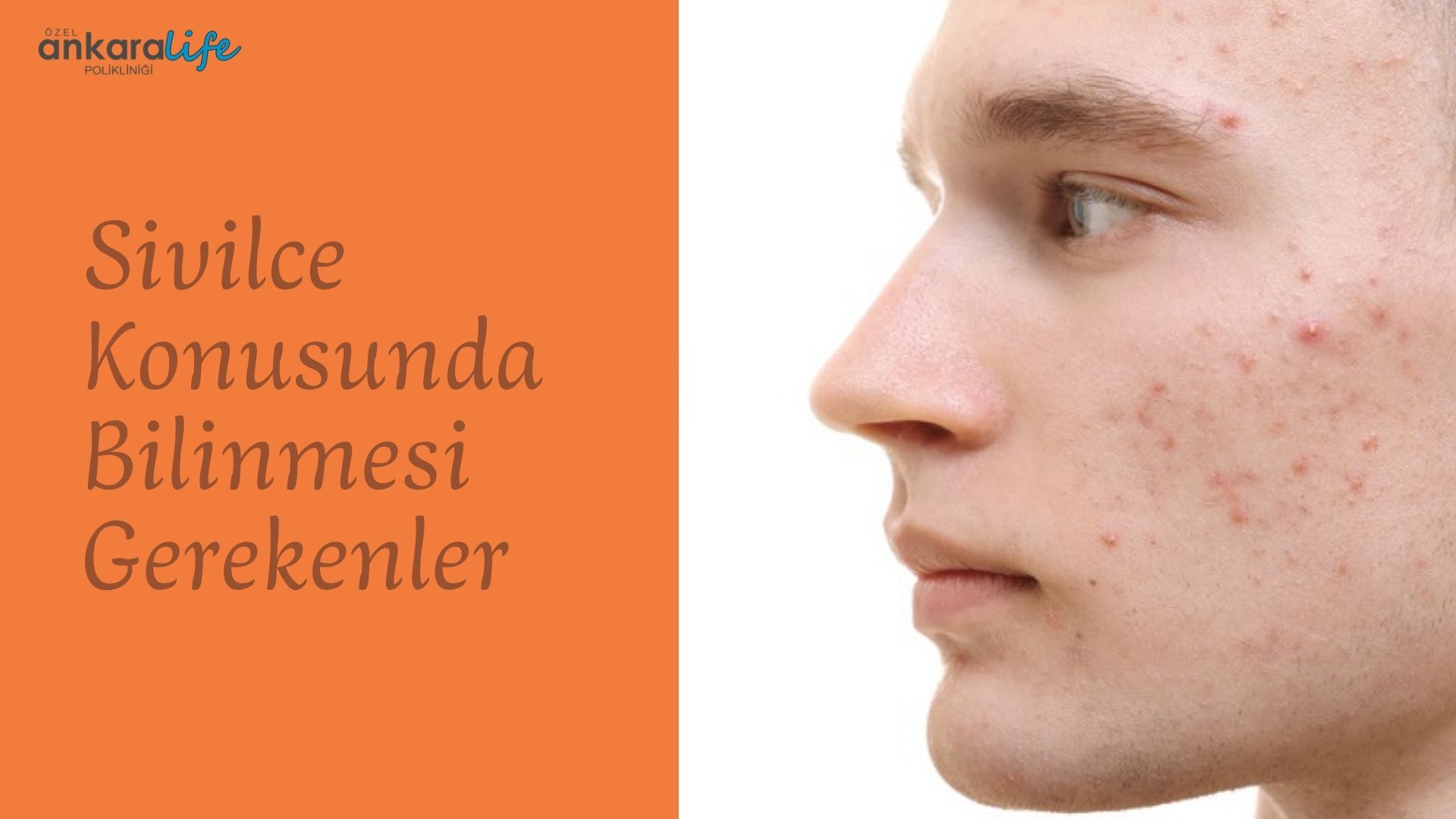
It is caused by inflammation of the sebaceous glands in our skin. Acne is a long-lasting and recurrent disease.
So what causes this inflammation; Acne is caused by the combination of more than one factor. Chief among these is heredity. Another important factor is hormonal stimulation. Once the neck of the sebaceous gland is clogged and an enlarged blackhead (comedone) is formed, a small number of bacteria called Propionibacterium acnes, which live on our skin as friends under normal conditions, have the opportunity to multiply and contribute to the increase in acne.
Things to know about acne treatment;
-Acne is not contagious
- It is not a symptom of any internal organ disease. It does not come from the liver.
Hormones have a great effect on acne. But it doesn't always have to be a hormonal disorder. Although blood androgen hormone levels are normal, there may be skin sensitivity to these hormones and acne may occur again.
-But if there is a hormonal disorder, it must be treated. Because acne in patients with hormonal disorders is resistant to treatment and very severe. There are pimples that leave large scars, which we call cystic acne. In hormonal disorders, there may be additional symptoms such as hair growth and hair loss along with acne.
-Acne is also called teenage acne because it mostly starts with puberty, but it is not unique to adolescence and can start in the twenties and thirties. Sometimes it can continue for many years from adolescence to adulthood.
- It occurs with equal frequency in men and women.
- Occurs in oily areas of the skin. It mostly occurs on the face, neck, back, chest, shoulders, and sometimes the hips.
Things to know about treatment, How long does the treatment last;
-Acne is long-lasting, so it requires long-term treatment
If acne is not treated, the risk of scarring increases.
-People's acne; Scratching increases the risk of acne scarring.
-Acne is a skin disease. Its treatment falls within the domain of the dermatologist.
-The treatment is personal. The drugs used in the treatment are very diverse. The physician chooses the drug according to the age, gender, severity and prevalence of acne. Not every drug is suitable for every patient. It is necessary to use the drugs by changing them at certain intervals, and to control the drugs at certain intervals.
Are there any make-up products that do not treat acne?
When purchasing cosmetic products, care should be taken that they are non-comedogenic and oil-free products. Non-oily products, products specially produced for acne-prone skin do not increase acne, but make-up should not be applied while exercising and under the sun. Because make-up can spread to the skin surface through sweat and clog the pores. Oily makeup products and creams can increase acne breakouts. All make-up products are more or less likely to cause allergies.
Is the sun good for acne?
Sunbathing may seem like it reduces acne breakouts at first. Because tanning reduces the appearance of acne. However, in the long term, the sun increases the likelihood of acne scarring. It causes the brown spots left from acne to become darker. Sunbathing too much can cause permanent acne scars by causing light damage to the skin. It is also known that the sun increases the risk of skin cancer. Therefore, people with acne should be protected from the sun like other people. People with acne should use oil-free sunscreen as sunscreen.
 Call
Call
 Whatsapp