


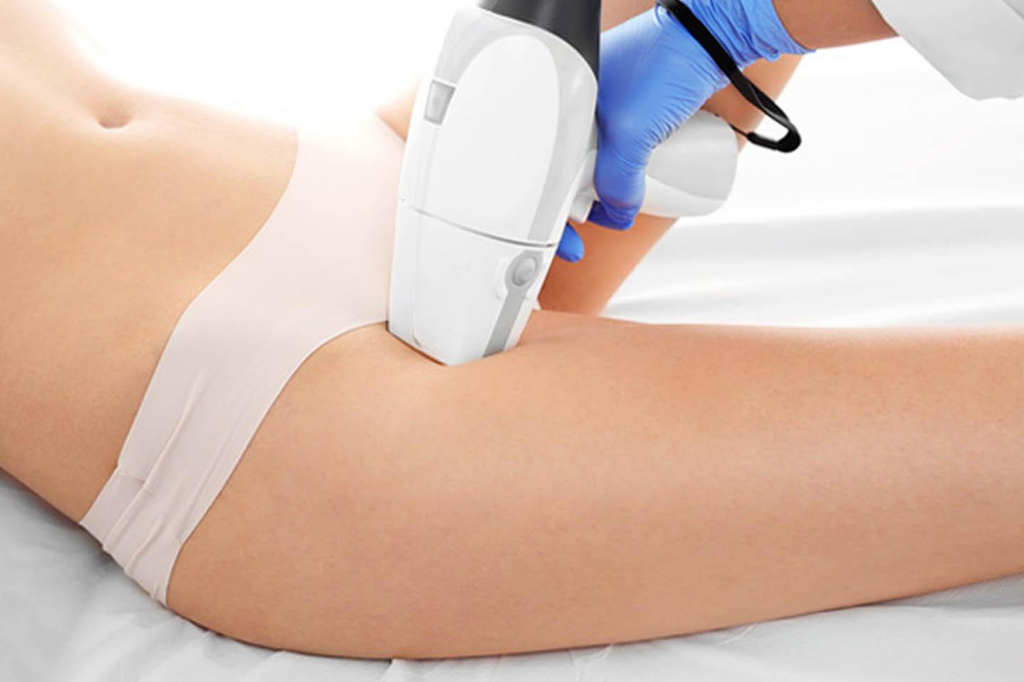

Genital area laser hair removal is a method aimed at achieving long-term reduction of unwanted hair. Laser technology uses light energy to target hair follicles, which may lead to gradual thinning and reduced regrowth over time. It is commonly preferred by individuals seeking smoother skin and longer-lasting hair control.
The procedure is generally quick and well tolerated. A mild warming sensation may be experienced during treatment, but most individuals find it manageable. Because the genital area is sensitive, following professional guidance is important.
People who choose this method often aim for longer-lasting results and reduced hair density. However, since skin and hair characteristics vary from person to person, outcomes may differ.
Reasons Why Individuals Choose Genital Laser Hair Removal
Many individuals opt for genital laser hair removal for both aesthetic and hygiene-related reasons. One common motivation is the desire for smoother skin, especially during warmer seasons.
Compared to shaving or waxing, laser hair removal may require less frequent maintenance over time. Reduced hair density may also help minimize issues such as ingrown hairs.
Personal comfort and confidence can also play a role. Many individuals report satisfaction with the appearance of smoother skin following treatment.
How Is Bikini Area Laser Hair Removal Performed?
The procedure should be carried out by a qualified professional, such as an experienced aesthetic practitioner or dermatologist. Before treatment, the area is cleaned and hair is trimmed if necessary.
The laser device delivers light energy to the hair follicles. This energy may weaken the follicles over time, resulting in finer and less dense regrowth. Some devices include cooling systems to help maintain comfort during the session.
Sessions are typically brief, and mild redness may occur afterward. This usually subsides within a few hours. Following post-treatment care instructions and avoiding sun exposure is recommended.
Types of Laser Technologies
Different laser systems are used depending on skin tone and hair characteristics.
Alexandrite Laser
Often preferred for lighter skin tones with darker hair and suitable for larger areas.
Diode Laser
Can be used for a broader range of skin types and may reach deeper follicles.
Nd:YAG Laser
Commonly selected for darker skin tones due to deeper penetration levels.
A professional consultation helps determine the most appropriate laser type based on individual needs.
Session Duration and Intervals
Each session typically lasts between 15–30 minutes, depending on the treatment area and hair density.
Sessions are generally scheduled every 4–6 weeks, aligned with the natural hair growth cycle. Multiple sessions are usually recommended for long-term reduction. In many cases, 6–8 sessions may be suggested, though this can vary.
Professional planning helps determine the appropriate schedule and evaluate progress.
Laser Hair Removal Services in Ankara
Ankara offers a wide range of aesthetic and medical laser hair removal services. Many clinics provide treatments performed by trained professionals using updated equipment.
When choosing a clinic, device quality and practitioner experience may influence treatment outcomes. Reviewing references and client feedback can help support an informed decision.
Services at Ankara Life Polyclinic
Ankara Life Polyclinic is among the institutions providing aesthetic and dermatological services, including laser hair removal. The clinic uses modern devices and creates personalized treatment plans based on individual skin and hair characteristics.
Professional evaluation before and after each session helps monitor progress and support improved outcomes. In addition to laser hair removal, other skincare and aesthetic services may also be available.
Post-Treatment Care Considerations
After laser hair removal, the skin may become temporarily sensitive. Avoiding direct sun exposure and using high-SPF sunscreen is generally recommended.
Mild redness or irritation may occur but typically resolves quickly. Applying gentle moisturizers may help support skin comfort. Hot showers and potentially irritating skincare products should be avoided shortly after treatment.
Following professional aftercare advice helps support a more comfortable recovery process.
 Call
Call
 Whatsapp