


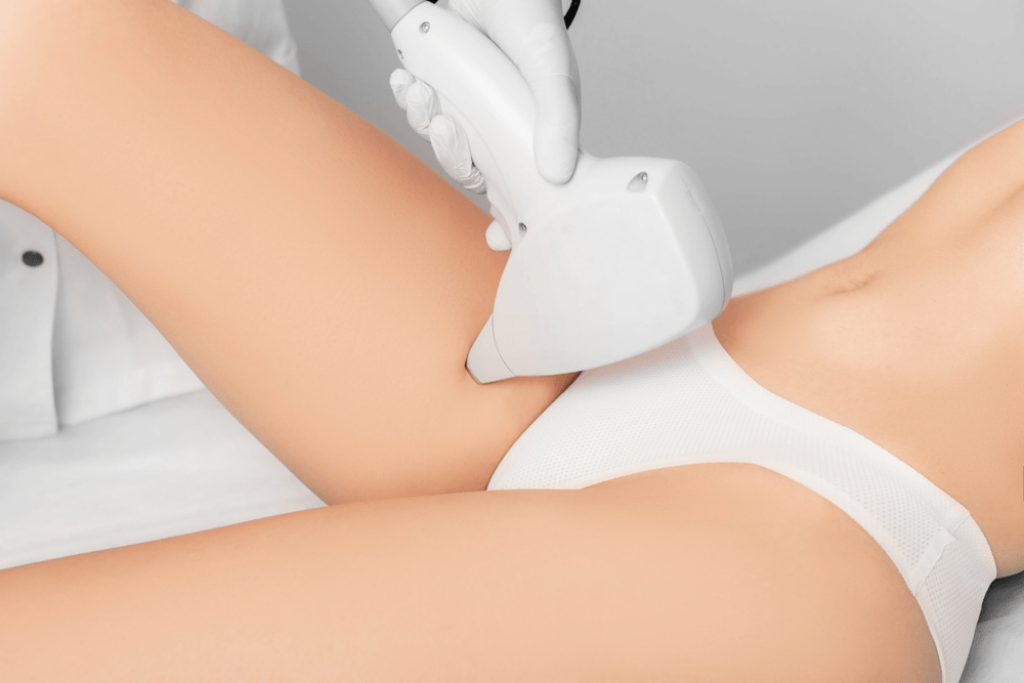

Bikini area laser hair removal is a method used to achieve long-term reduction of unwanted hair. The procedure works by directing laser energy toward the hair follicles, aiming to reduce future hair growth. Unlike temporary solutions such as shaving or waxing, laser treatments are designed to provide longer-lasting results over time.
With technological advancements, laser hair removal has become more refined and adaptable. Treatments are typically customized based on skin type and hair density. This allows professionals to create individualized treatment plans tailored to each person’s needs.
Since the bikini area is sensitive, special care is required during treatment. There are specific guidelines to follow both before and after sessions to help minimize potential side effects and support skin comfort.
Experiences of Those Who Have Had Bikini Laser Hair Removal
Many individuals who undergo bikini laser hair removal report positive experiences. A commonly shared observation is smoother skin and reduced hair density after the initial sessions. Continued sessions may further support these results.
One frequently mentioned benefit is time efficiency. Compared to regular shaving or waxing, laser sessions are less frequent once a treatment plan is underway. This can be particularly beneficial for individuals with busy lifestyles.
Some people report mild discomfort during early sessions. However, this sensation is often described as manageable. Many laser clinics use cooling systems or soothing gels to enhance comfort during treatment.
How Is Bikini Laser Hair Removal Performed?
The procedure typically begins with an evaluation of the skin and hair structure. Based on this assessment, a personalized treatment plan is developed, including the number of sessions and intervals between them.
Before treatment, the area is cleaned and hair is trimmed. The laser device is then applied to the skin, emitting light at specific wavelengths. The energy targets melanin in the hair follicle and converts into heat, which affects the follicle and helps slow regrowth.
During the session, a mild warming sensation may be felt. Temporary redness can occur afterward, but this usually subsides within a short period. Professionals often recommend appropriate post-treatment skincare to maintain skin comfort.
Advantages of Laser Hair Removal
One of the main advantages of laser hair removal is the potential for long-term hair reduction. Compared to traditional methods, it may simplify personal care routines over time.
Another benefit is the potential reduction of ingrown hairs and irritation often associated with shaving or waxing. Since laser treatment targets the follicle rather than the skin surface, it may reduce common surface-related issues.
Sessions for the bikini area are typically short, often lasting around 20–30 minutes. This makes it a practical option for individuals seeking efficiency. As technology continues to improve, laser hair removal has become increasingly popular.
Bikini Laser Hair Removal Process
The process involves multiple sessions scheduled at specific intervals. After the first few sessions, visible hair reduction may occur. For long-term reduction, completing the recommended treatment plan is generally advised.
An initial skin analysis is performed before starting treatment. This helps determine the appropriate laser type and session structure. Treatment plans often range between 6–8 sessions, though individual factors may influence this number.
Between sessions, sun protection and proper skincare are important. The skin may become temporarily more sensitive after treatment, so using sunscreen and avoiding excessive heat exposure is recommended.
Suitable Skin Types
Laser hair removal can be suitable for various skin types. Historically, the most responsive results have been observed in individuals with lighter skin and darker hair, as laser energy is absorbed more efficiently by darker pigment.
Different laser systems are used depending on skin tone. For example, Alexandrite lasers are often selected for lighter skin tones, while Nd:YAG lasers are commonly used for darker skin tones to enhance safety.
For tanned or darker skin, treatment parameters must be carefully adjusted. Since melanin levels are higher, energy settings may need modification to maintain skin safety.
Post-Treatment Care
After laser hair removal, mild redness or sensitivity may occur temporarily. If unusual reactions such as blistering appear, professional consultation is recommended.
For 24–48 hours after treatment, direct sun exposure should be minimized. If sun exposure is unavoidable, using high-SPF sunscreen is advisable.
Moisturizing the treated area with fragrance-free and hypoallergenic products may support skin comfort. Avoiding hot showers, saunas, and harsh skincare products immediately after treatment can also help maintain skin balance.
 Call
Call
 Whatsapp