


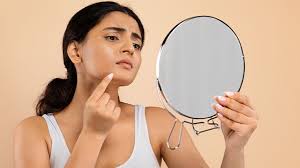

What is Acne Scar Filling?
Acne scars are scars that form as a result of deep wounds or pits on the skin. These scars can become permanent over time and cause the skin surface to appear irregular. Filler treatment is an aesthetic procedure that aims to fill these pits with substances injected under the skin. Fillers are injected into the lower layers of the skin, reducing the depth of the scars and making the skin surface smoother.
Which Fillers Are Used for Acne Scars?
The most common fillers used in the treatment of acne scars include hyaluronic acid and collagen derivatives.
Hyaluronic Acid: A compound found naturally in the skin that helps retain moisture. Hyaluronic acid filler is injected under the skin to fill the area where the scars are located and make the skin look smoother.
Fillers Made from Collagen and Fat Tissue: These substances fill the gaps in the skin and improve the appearance of acne scars. However, these fillers can be absorbed over time and may need to be renewed regularly.
Benefits of Filler Treatment
The biggest advantage of filler treatment is that it shows its effect immediately. After the application, the depth of the scars decreases and the skin becomes smoother. The procedure is usually done with minimal pain and patients can easily return to their daily lives after the treatment.
Fast Results: After the filler procedure, the appearance of acne scars improves quickly and smoother skin is achieved.
Non-Surgical Application: Since the filler procedure does not require surgical intervention, the recovery process is fast and the risk of complications is generally low.
Risks of Getting Fillers for Acne Scars
As with every medical procedure, filler treatment also has some risks. These risks are usually small and can be minimized if performed by the right specialist.
Allergic Reactions: Allergic reactions can rarely develop to fillers.
Risk of Infection: There is a risk of infection after the procedure, but this risk is greatly reduced if proper hygiene rules are followed.
Uneven Results: Sometimes fillers may not be distributed evenly, which can create an uneven appearance. However, this is usually temporary and a correction can be made.
Post-Application Care
The appearance of the scars improves after the filling procedure, but skin care is very important. Bruising or swelling may occur on the skin, which will disappear within a few days.
Sun Protection: After the procedure, the skin may become sensitive. Therefore, it is recommended to use high factor sunscreen to protect from the sun.
Skin Cleansing and Moisturizing: The application area should be gently cared for and supported with skin moisturizing products.
In Conclusion
Filling treatment for acne scars offers an effective and fast solution. However, it is absolutely necessary to consult a dermatologist or aesthetic specialist before starting this treatment. The specialist will evaluate your skin type and the condition of your scars and determine the most appropriate treatment method.
 Call
Call
 Whatsapp