



Being among those who use a bikini area epilator can be one way to diversify a personal care routine. The long-lasting smoothness and practicality offered by epilators lead many individuals to choose this method. However, for first-time users, there are certain recommendations and considerations to keep in mind.
Since epilators remove hair from the root, mild discomfort may be experienced during use. With regular application, many individuals report that this sensation becomes more manageable. For optimal results, the skin should be clean and dry before use. Moisturizing the skin afterward may help reduce the risk of irritation.
Thanks to different attachment heads and adjustable speed settings, epilators can be used on sensitive areas such as the bikini region. Their portability also makes them convenient for travel. Additionally, compared to repeated salon visits, epilators may represent a cost-effective option over time.
Advantages of Using an Epilator in the Genital Area
Using an epilator in the genital area may offer several advantages. Because hair is removed from the root, regrowth typically takes longer compared to shaving. Over time, consistent use may contribute to finer or less dense hair growth in some individuals.
Epilator use may also assist in removing dead skin cells, contributing to smoother-looking skin. Adjustable speed settings allow users to adapt the device according to skin sensitivity, which can be particularly beneficial in delicate areas.
Another potential advantage is long-term cost efficiency. A single device can be used multiple times, and at-home use may reduce the need for salon appointments, saving time for individuals with busy schedules.
Differences Between Laser Hair Removal and Other Methods
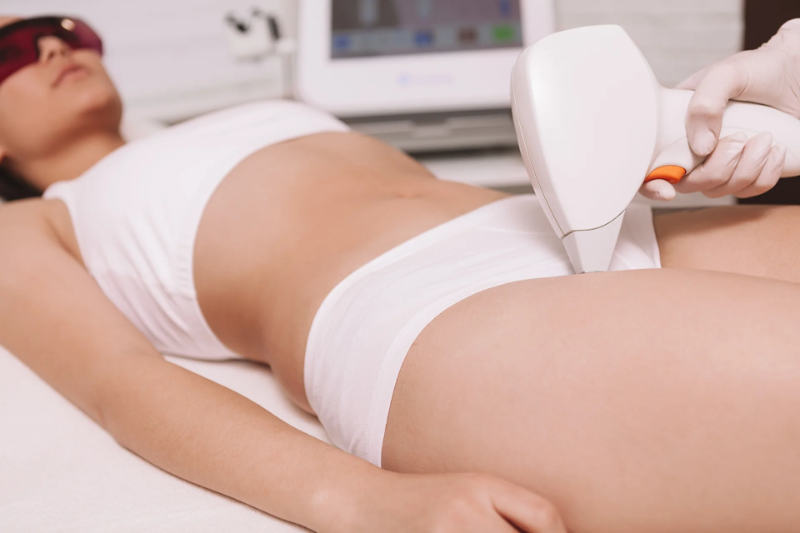
There are notable differences between laser hair removal and epilator use. Laser hair removal works by delivering light energy to target hair follicles, aiming to reduce hair growth over time. This method generally requires multiple sessions and may involve higher overall costs.
Epilators, on the other hand, are more accessible for home use and typically involve a lower initial investment. However, they provide temporary hair removal rather than long-term reduction. Regular use may help manage hair growth, but results differ from laser treatments.
Laser hair removal outcomes may vary depending on skin tone and hair color. Individuals with lighter skin and darker hair often respond more effectively, whereas results may differ in very light or very dark skin tones. Epilators can generally be used regardless of skin tone or hair color. Choosing the appropriate method depends on personal preferences and needs.
Laser Hair Removal Applications: What to Expect
Understanding what to expect before and after laser hair removal may help improve the overall experience. Before treatment, the skin should be clean and dry. Hair length recommendations may vary depending on the device or clinic protocol.
During the procedure, a mild stinging or warming sensation may occur. Temporary redness or slight irritation is possible after treatment but usually subsides within a short period. Keeping the skin moisturized and protected from sun exposure may support recovery.
Results from laser hair removal are typically observed gradually over several sessions. A visible reduction in hair density may occur after initial sessions, but completing the recommended treatment plan is important for longer-lasting results. Individual responses vary depending on skin type and hair characteristics.
Laser Types and Selection Criteria
When choosing between laser systems, factors such as skin tone, hair color, and hair thickness should be considered. Commonly used laser systems include Alexandrite, Nd:YAG, and Diode lasers, each with different characteristics.
Alexandrite Laser:
Often selected for lighter skin tones with darker hair. It may allow relatively fast treatment of larger areas.
Nd:YAG Laser:
Commonly used for darker skin tones due to its deeper penetration capabilities.
Diode Laser:
May be effective across a broader range of skin tones and hair types.
Consulting with a qualified professional before selecting a laser system is important to help ensure suitability and skin safety.
Session Duration: How Much Time Is Required?
Session duration varies depending on the individual and the treatment area. Smaller areas may require approximately 10–15 minutes, while larger areas may take longer. Sensitive regions such as the bikini area may require additional care during application.
Sessions are typically scheduled approximately 4–6 weeks apart, based on the natural hair growth cycle. With consistent sessions, gradual hair reduction may be observed. Over time, session intervals may be extended depending on response.
Attending sessions regularly according to the recommended plan may help support treatment effectiveness. Extending intervals beyond professional recommendations may influence outcomes.
Ankara Life Polyclinic
Ankara Life Polyclinic provides laser hair removal services using modern laser systems and professional evaluation processes.
Treatments are performed by trained practitioners using appropriate technology. The clinic offers individualized treatment planning based on skin and hair characteristics. Hygiene standards are maintained throughout procedures.
Individuals considering laser hair removal are generally advised to schedule a consultation to receive personalized information and recommendations. Professional guidance may help support both skin safety and balanced treatment expectations.
 Call
Call
 Whatsapp