


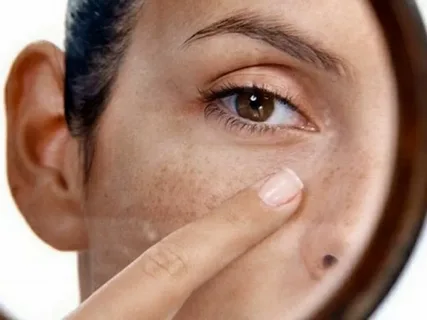

Spot treatment is a medical intervention aimed at correcting skin color changes. The areas where spot treatment will be performed and the methods used may vary depending on the type, cause and location of the spot. Here are some common spot types and treatment methods:
1. Melasma
Explanation: Melasma usually manifests itself with brown spots on the face such as the cheeks, forehead, upper lip and chin. It is most common in women, especially after hormonal changes (pregnancy, birth control pills, etc.).
Areas to be Treated: Face (especially cheeks, forehead, upper lip).
Treatment Methods:
Topical treatments (e.g. hydroquinone, tretinoin, azelaic acid).
Chemical peels.
Laser therapy (fraxel laser, Q-switched lasers).
Light therapy (IPL - Intense Pulsed Light).
Use of sunscreen.
2. Age Spots (Solar Lentigo)
Description: Age spots usually appear on areas such as the hands, arms, face and back as a result of sun exposure.
Treatment Areas: Face, hands, arms, back.
Treatment Methods:
Laser treatment (Q-switched lasers, Fraxel).
Chemical peels.
Topical bleaches (hydroquinone, vitamin C serums).
3. Acne Spots
Description: Scars, pits or discolorations (redness, brown spots) left on the skin after acne may be seen.
Treatment Areas: Face, back, shoulders, chest.
Treatment Methods:
Chemical peels.
Laser treatment (Fractional CO2 laser, erbium lasers).
Microdermabrasion.
Topical treatments (retinoid creams, vitamin C, niacinamide).
4. Freckles (Ephelis)
Description: Freckles are small brown spots usually found on the face, nose and arms, and are caused by genetics and sunlight.
Treatment Areas: Face (especially nose, cheeks).
Treatment Methods:
Laser treatment (Q-switched lasers, IPL).
Chemical peels.
Topical treatments (hydroquinone, vitamin C).
5. Post-Inflammatory Hyperpigmentation (PIH)
Description: Dark spots left after acne, wounds or other skin trauma.
Treatment Areas: Face, body.
Treatment Methods:
Chemical peels.
Laser treatment.
Topical treatments (niacinamide, retinoids, hydroquinone).
6. Stain Removal with Stem Cell and PRP Treatment
Description: Especially in deep stain treatments, stem cell treatments and PRP (Platelet Rich Plasma) treatment can be used to renew the skin.
Areas to be Treated: Face, neck, hands.
Treatment Methods:
PRP (Platelet Rich Plasma).
Stem cell treatments.
7. Hypopigmentation (Skin Whitening)
Description: Skin discoloration and white spots (such as vitiligo) may be seen.
Areas to be Treated: Face, hands, body.
Treatment Methods:
Light therapy (UVB therapy).
Topical treatments (topical corticosteroids).
Laser treatment.
8. Spot Treatment Due to Psoriasis and Other Skin Diseases
Description: Skin diseases such as psoriasis can cause spots. These spots are usually reddish, white, crusty spots.
Areas to be Treated: Body, scalp, elbows, knees.
Treatment Methods:
Topical treatments (corticosteroids, vitamin D analog).
Light therapy (UVB).
Biological treatments for psoriasis treatment.
Treatment Methods in General:
Chemical Peeling: It allows the removal of dead cells on the skin surface and the formation of new skin. Skin tone improves and spots decrease.
Laser Treatment: Lasers can lighten the color of the spot by targeting the pigment. Different laser types (Q-switched laser, Fraxel laser) can be selected according to different types of spots.
Topical Creams: Active ingredients used in removing spots include hydroquinone, retinoids, vitamin C, azelaic acid.
Light Therapy (IPL): It reduces the appearance of the spot by targeting the pigment in the skin.
During the treatment process, it is important to choose the treatment methods that are suitable for your personal skin characteristics and the recommendations of dermatologists. It is also very important to take sun protection measures during the treatment.
 Call
Call
 Whatsapp