


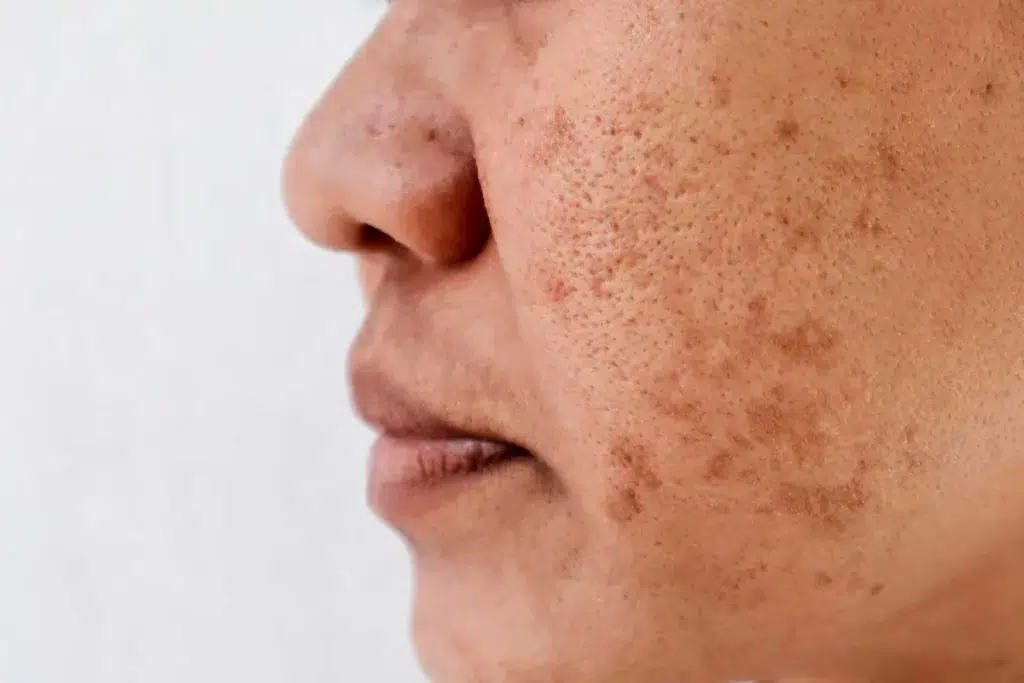

What are Spot-shaped Moles?
Spot-shaped moles are structures formed by the abnormal accumulation of pigment cells, usually seen in brown, black or reddish colors on the skin. These moles can usually be small, round or oval in shape and slightly elevated from the skin surface. Spot-shaped moles are generally harmless and can be congenital or developed later. However, moles that change shape, grow or change color over time should be monitored carefully as they can be a sign of serious health problems such as skin cancer.
Situations in Which Spot-shaped Moles Should Be Treated
Not every mole requires treatment, but treatment may be recommended in some cases. If the mole has symptoms such as growth, change in shape, change in color or bleeding, it is important to have the mole evaluated by a dermatologist. In addition, spot-shaped moles can be treated for aesthetic concerns. Spots on the skin require more attention, especially in areas exposed to the sun.
Treatment Methods Used for Spot-shaped Moles
Different methods can be used in the treatment of spot-shaped moles. The treatment option is determined depending on the type, size, location of the mole and whether it threatens health.
Laser Mole Removal: One of the most commonly used methods for spot-shaped moles is laser treatment. Laser targets the pigment of the mole and eliminates the mole without damaging the surrounding tissue. Laser treatment is preferred due to its fast healing process and minimal scarring.
Surgical Method: In some cases, surgical removal may be required, especially for larger and deeper moles. In this procedure, the tissue surrounding the mole is also removed and the entire mole is destroyed.
Electrocauterization: Electrocautery is a treatment method that burns the mole. The mole is destroyed by heating it with electricity.
Biopsy and Pathological Examination: If there is a suspicious mole, a biopsy is taken by the doctor to determine whether the spot is benign. This test is an important step before starting treatment.
Post-Treatment Period and Care
After treatment, especially after procedures performed with laser, there may be slight redness and crusting on the skin. This is a normal healing process and heals within a few days. In surgical interventions, the wound healing process may be a little longer. During this process, sun protection, moisturizing and doctor-recommended care practices are of great importance for the treated area. In addition, sun protection and continuous monitoring of skin health are necessary to prevent moles from reoccurring after treatment.
Advantages of Spot-shaped Mole Treatment
Treatment of spot-shaped moles is important not only in terms of aesthetics but also in terms of health. Untreated, suspicious moles may have the risk of turning into cancer. Therefore, regular check-ups and treatment of moles if necessary are a critical step to maintaining skin health. In addition, the appearance of the skin improves with treatment and the person gains a more aesthetic appearance.
In Conclusion
Treatment of spot-shaped moles requires a personalized approach. Monitoring moles and treating them at the right time is very important for healthy skin. The evaluation and appropriate treatment method performed by dermatologists provide both a more aesthetically beautiful appearance and safe results in terms of health.
 Call
Call
 Whatsapp