


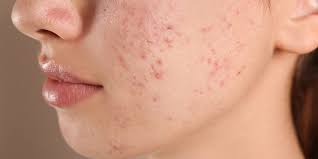

What is an Acne Scar?
Acne scars are permanent marks left after acne heals. Acne usually occurs as a result of inflammation of the pores under the skin. This inflammation can reach the deeper layers of the skin and cause damage, and scars can remain after the healing process. The types of acne scars vary depending on the shape and depth of the damage. Since each individual's skin is different, acne scars may also vary.
Flat-Surfaced Acne Scars
Flat-surfaced acne scars are usually scars left from superficial acne. Such scars leave less damage to the upper layer of the skin and usually heal quickly. Flat-surfaced scars can be in the form of slight redness or brownish spots on the skin. Most of the time, these types of scars can disappear over time without treatment, but various skin care products and treatments can be used for faster healing.
Pitted Acne Scars
Pitched acne scars are deeper and permanent scars. These scars occur as a result of acne damaging the deeper layers of the skin. Pit scars usually appear as depressions on the skin and can become permanent if left untreated. Pit scars usually occur in cases of deep skin injuries and often require dermatological intervention. Treatment methods such as fractional laser and dermaroller are used to reduce such scars.
Raised Acne Scars (Keloid or Hypertrophic Scars)
Raised scars are scars where excess tissue is produced on the skin after acne has healed. These types of scars are usually called keloid or hypertrophic scars. Keloid scars are hard and raised tissues that occur as a result of the skin healing more than normal. Hypertrophic scars are scars where the scars on the skin rise outwards, but shrink over time. Both types of scars require more treatment and are usually treated with laser treatment or steroid injections.
Pigmented Acne Scars
Pigmented acne scars are scars that cause color changes on the skin after acne has healed. These scars can usually be in red, brown or purple tones. Pigmented scars occur due to increased melanin production during the skin's healing process. These types of scars are usually not permanent and can fade over time, but some treatment methods, especially chemical peels and laser treatments, can help these scars heal faster.
Acne Scar Treatment Methods
The treatment of acne scars varies depending on the type of scar and skin type. While flat-surface scars can usually be treated with skin care products, pitted and raised scars require more professional treatment. Treatment options such as fractional laser, dermaroller, chemical peels and PRP (Platelet Rich Plasma) can be effective in reducing the appearance of acne scars. In addition, early intervention and not popping pimples are recommended to prevent scars.
In Conclusion
Acne scars appear as permanent effects left on the skin during the healing process of acne. These scars can be of different types depending on how damaged the skin is: flat-surface scars, pitted scars, raised scars and pigmented scars. There are different treatment methods for each type of scar. It is possible to reduce the appearance of these scars with care, early treatment and correct methods.
 Call
Call
 Whatsapp