


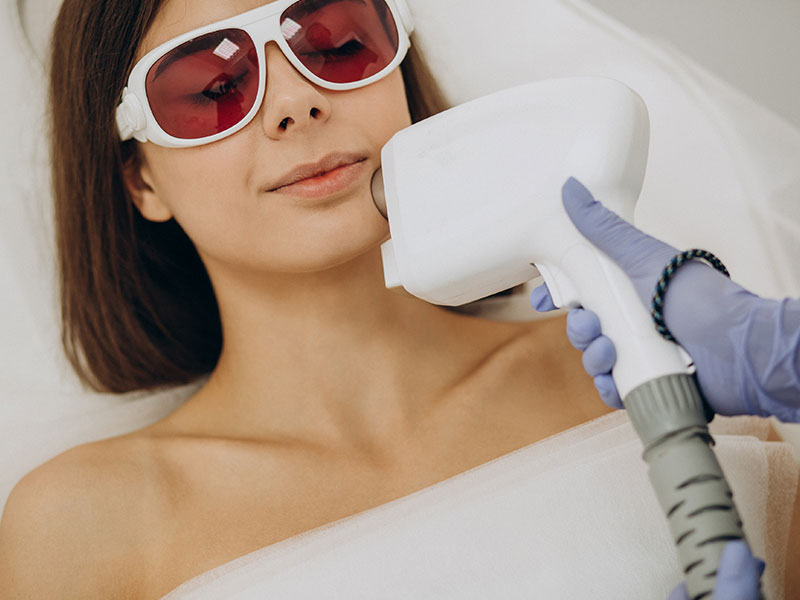

Upper lip laser hair removal is a procedure designed to reduce unwanted hair in the upper lip area using laser technology. The laser energy penetrates the hair follicles and targets the hair growth cycle. With repeated sessions, it aims to reduce hair density and thickness over time.
Laser hair removal in facial areas requires precision due to skin sensitivity. The type of laser used may vary depending on skin tone and hair characteristics. Many individuals describe the procedure as relatively comfortable and appreciate its longer-lasting results compared to traditional methods.
Upper lip laser treatment is particularly popular among women for both aesthetic and hygiene-related reasons. While it may reduce the need for frequent maintenance, results can vary between individuals. Choosing an experienced clinic is important for consistent outcomes.
Benefits of Upper Lip Laser Hair Removal
One of the main advantages of upper lip laser hair removal is its potential for long-term hair reduction. After a series of sessions, hair growth may become slower and less dense. This can significantly reduce the need for daily or weekly hair removal routines.
Another benefit is the reduced risk of skin irritation compared to shaving or waxing. Traditional methods may cause redness, ingrown hairs, or irritation. Laser treatment is designed to target the hair follicle while minimizing surface skin disruption when properly performed.
Additionally, the procedure may save time in the long run. For individuals with busy schedules, reducing frequent hair removal sessions can be convenient.
How Many Sessions Are Required?
The number of sessions depends on factors such as skin type, hair structure, and hormonal balance. In many cases, approximately 6 to 8 sessions are recommended for noticeable long-term reduction. However, this number may vary.
Sessions are typically scheduled 4 to 6 weeks apart, depending on the hair growth cycle. Darker hair tends to absorb laser energy more effectively, while lighter hair may require additional sessions.
Allowing sufficient time between sessions supports the natural hair cycle and helps maintain treatment consistency. A personalized evaluation helps determine the most suitable treatment plan.
Types of Laser Technologies
Different laser systems are used in hair removal treatments, including Alexandrite, Diode, and Nd:YAG lasers.
Alexandrite Laser
Often preferred for lighter skin tones with darker hair. Known for relatively fast treatment sessions.
Diode Laser
Suitable for a wider range of skin tones and capable of penetrating deeper hair follicles.
Nd:YAG Laser
Commonly used for darker skin tones and designed to reach deeper layers safely.
Each laser type has specific characteristics. A professional assessment helps determine the most appropriate system based on individual skin and hair features.
Session Duration and Frequency
Upper lip laser sessions are typically short due to the small treatment area. Sessions often last around 10 to 15 minutes.
The frequency of sessions is adjusted according to the hair growth cycle, commonly every 4 to 6 weeks. Regular sessions are important for achieving consistent long-term reduction.
Following recommended intervals and aftercare instructions may help support treatment effectiveness.
Laser Hair Removal Services in Ankara
Ankara offers a wide range of laser hair removal services through various clinics and medical centers. Many facilities use updated laser technologies and experienced professionals.
When selecting a clinic, it is advisable to consider practitioner experience, hygiene standards, and equipment quality. Reviewing client feedback may also support informed decision-making.
Ankara Life Polyclinic provides laser hair removal treatments performed by experienced specialists using modern devices. A consultation session allows for personalized treatment planning based on individual needs.
Before and Aftercare Recommendations
Before treatment:
-
Keep the skin clean and avoid excessive sun exposure.
-
Avoid tanning or solarium sessions prior to treatment.
After treatment:
-
Protect the treated area from direct sunlight.
-
Use sunscreen when necessary.
-
Avoid waxing or tweezing between sessions.
-
Choose gentle skincare products to support skin comfort.
Following professional recommendations helps maintain skin health and supports consistent treatment progress.
 Call
Call
 Whatsapp