


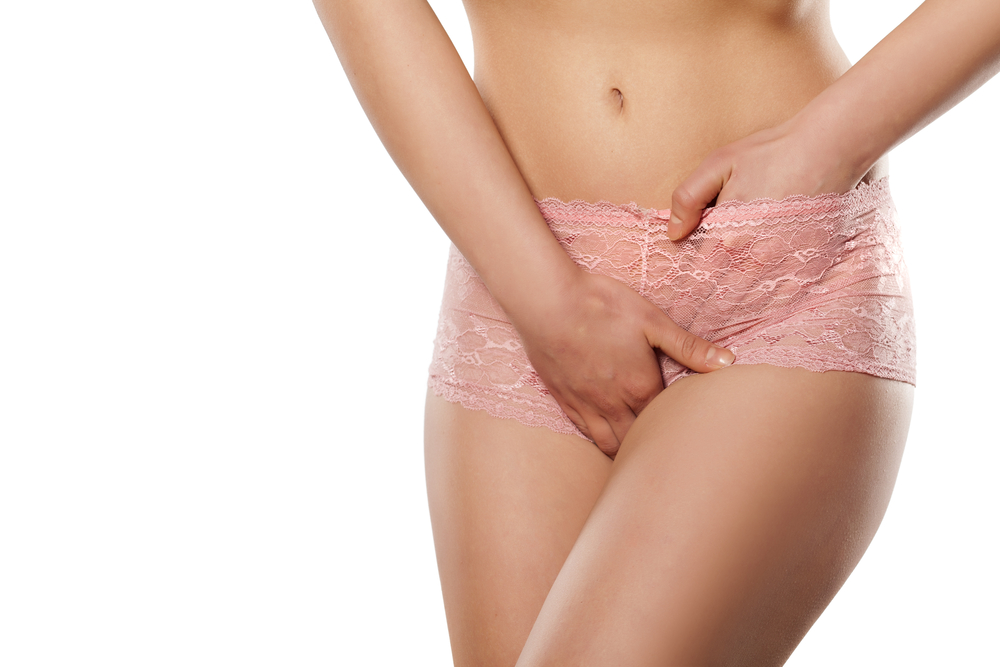

The vagina is a sensitive and special area of our body. A healthy vagina has a pink or reddish appearance. However, color changes in this area due to various factors can cause women to feel physically and psychologically uncomfortable.
Vaginal darkening can negatively affect women's daily lives and personal relationships. Therefore, it is important to understand the causes of this problem, evaluate its effects and determine appropriate treatment methods.
Causes of Vaginal Darkening
Vaginal darkening can have many causes. Below are the most common causes:
1. Hormonal Changes: Color changes in the vaginal area may occur due to hormonal changes such as pregnancy, menopause or birth control pills.
2. Excessive Pigmentation: In some women, excessive pigmentation may occur in the vaginal area due to genetic or hormonal factors. This is one of the most common causes of vaginal darkening.
3. Skin Diseases: Various skin diseases such as vitiligo, eczema or fungal infections can also cause vaginal darkening.
4. Friction and Irritation: Tight clothing, frequent sexual intercourse or other mechanical irritations can cause color changes in the vaginal area.
5. Eating Habits: Some foods, such as tea, coffee or alcohol, can cause color changes in the vaginal area.
6. Smoking: Smoking can contribute to vaginal darkening by increasing skin pigmentation.
7. Aging: With age, skin elasticity and flexibility in the vaginal area can decrease, which can cause color changes.
These reasons show that vaginal darkening can show individual differences and can occur as a result of a combination of various factors.
Effects of Vaginal Darkening
Vaginal darkening can negatively affect women's physical and psychological health. The possible effects of this condition are listed below:
8. Physical Effects:
• Discomfort and dryness in the vaginal area
• Pain or soreness during sexual intercourse
• Increased risk of infection
• Sexual dysfunction
9. Psychological Effects:
• Decreased confidence and self-esteem
• Embarrassment and social anxiety
• Difficulties in interpersonal relationships
• Negative effects on sexual life
10. Social Effects:
• Restriction in clothing choices
• Reluctance to participate in social activities
• Difficulties in interpersonal communication
Vaginal darkening can negatively affect women's daily lives, personal relationships, and general well-being. Therefore, early diagnosis and appropriate treatment of this problem are important for women's physical and psychological health.
What Can Be Done to Prevent Vaginal Darkening?
Vaginal darkening can be prevented by various preventive measures. These precautions are listed below:
11. Hygiene and Care:
• Keeping the vaginal area clean daily
• Using soft and unscented products
• Avoiding frequent washing
• Making appropriate clothing choices
12. Nutrition and Lifestyle Changes:
• Adopting a healthy and balanced diet
• Reducing caffeine, alcohol and cigarette consumption
• Exercising regularly
• Applying stress management techniques
13. Maintaining Hormone Balance:
• Having regular check-ups with your doctor
• Checking the use of medications that cause hormonal changes
• Talking to your doctor about hormonal treatments
14. Choosing Personal Care Products:
• Using unscented products specially produced for sensitive skin
• Preferring cleansing and moisturizing products suitable for the vaginal area
• Choosing products that do not contain chemicals that may irritate the skin
15. Regular Doctor's Check-ups:
• Having vaginal health problems checked regularly
• Consulting a doctor in case of any changes or concerns
• Applying early diagnosis and appropriate treatment methods
These preventive measures are important to prevent the formation of vaginal darkening or slow its progression. However, in some cases, clinical treatments may also be necessary.
Clinical Treatments to Treat Vaginal Darkening
Treatment for vaginal darkening may vary depending on the underlying cause. Here are some clinical treatment methods:
16. Topical Creams and Lotions:
• Products containing hydroxyquinone, retinol or kojic acid
• Creams with skin whitening and color-balancing effects
• Moisturizers and emollients
17. Internal Vaginal Treatments:
• Vaginal steroid preparations
• Creams or suppositories containing estrogen
• Antibiotic or antifungal treatments
18. Laser Treatments:
• Fractional CO2 laser
• Nd:YAG laser
• Picosure laser
19. Chemical Peeling:
• Applications of glycolic acid, salicylic acid or trichloroacetic acid
20. Surgical Treatments:
• Surgical removal of excessive pigmentation in the vaginal area
• Vaginal tightening or shaping procedures
The appropriate treatment method is evaluated according to each patient's individual situation. It is important to determine the most appropriate treatment option by consulting your doctor.
 Call
Call
 Whatsapp