


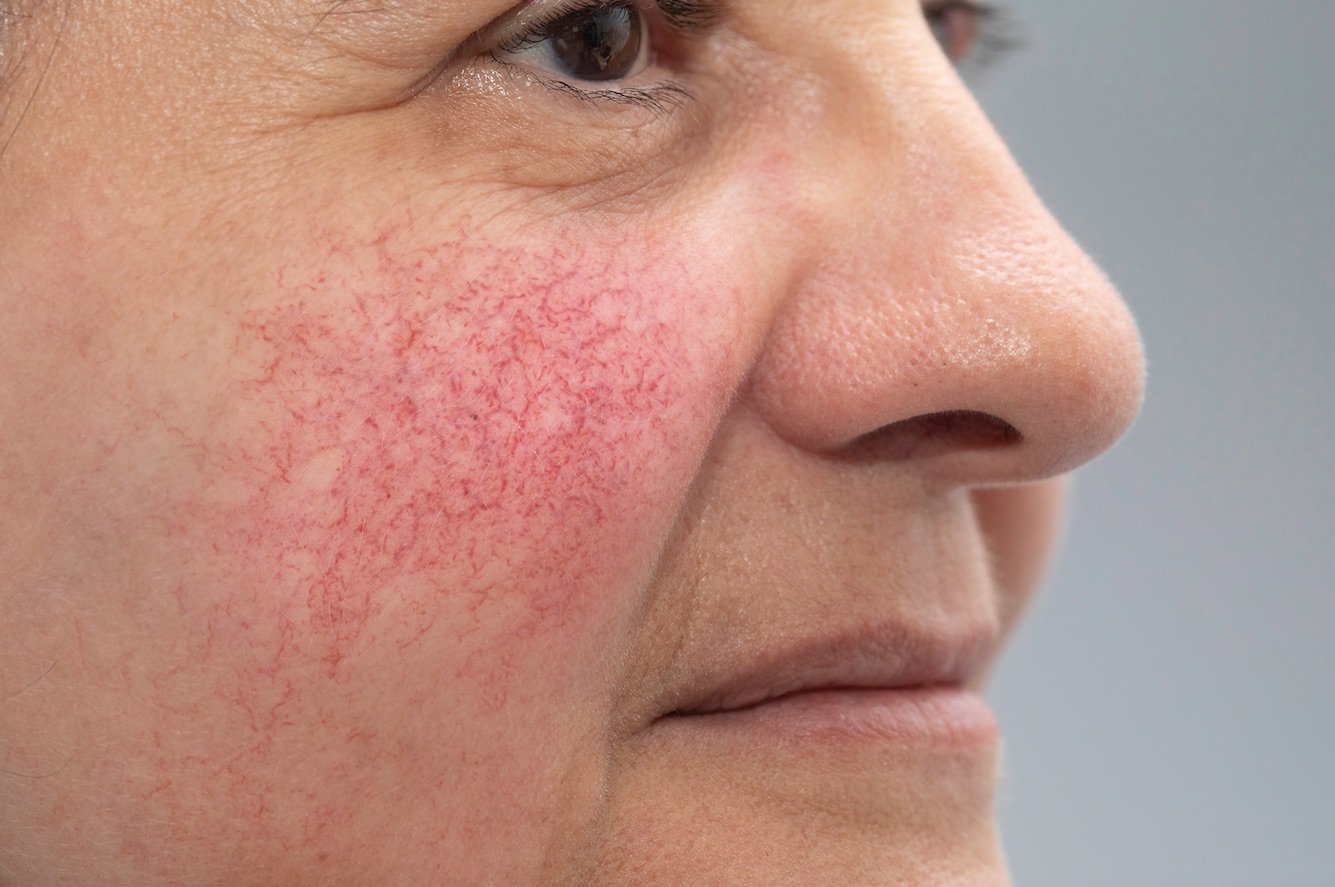

Vascular dilation in the skin occurs as a result of the increase in the diameter of the small blood vessels. These vascular enlargements can occur anywhere in the body and are most commonly seen on the legs and face. This condition, which is very common, may occur more in individuals with thin and light skin. Capillary dilation may also occur due to environmental factors. Excessive exposure to the sun, taking hormone therapy, long-term use of birth control pills, and long-term use of cortisone creams may also result in vasodilation. Capillary formations may also occur due to genetic factors and aging. Vascular enlargement in the legs is caused by the genetic inability of the veins to carry blood from the body to the heart sufficiently effectively. Structurally, this situation occurs more in women.
Laser Treatments Used for Skin Vascular Dilation
Laser treatments for skin vasodilation provide successful results. QS Nd YAG laser and Nd Yag lasers can be used in these treatments. Vascular dilation can be treated with laser, which passes through the capillary and affects the substance called oxyhemoglobin in the blood. The vascular wall disappears over time after being damaged by laser beams. It can be treated more easily compared to the amount of blood in the vein and the smaller veins. The most important advantage of the application is that the surrounding tissue does not suffer any damage during the vascular expansion laser application.
How Many Sessions Does Laser Skin Vascular Dilation Treatment Take?
When laser applications are performed for skin vascular expansion, laser light is applied along the capillary line in the skin. Veins may temporarily disappear during application. Color changes indicate that the application is effective. Laser treatment times for capillary cracks will vary depending on the location, thickness and depth of the capillaries. Larger veins can regress in one to two sessions. For small and widespread veins, at least 4 to 6 sessions are required. Two sessions last approximately 4 to 6 weeks. More successful results can be obtained when treating capillary cracks with the second and third laser. If there is widespread skin redness, it will be more effective to use both deep and surface lasers in combination. In addition, it is important for people with widespread rash to prevent recurrence of the disease with maintenance sessions every 3-6 months.
 Call
Call
 Whatsapp