


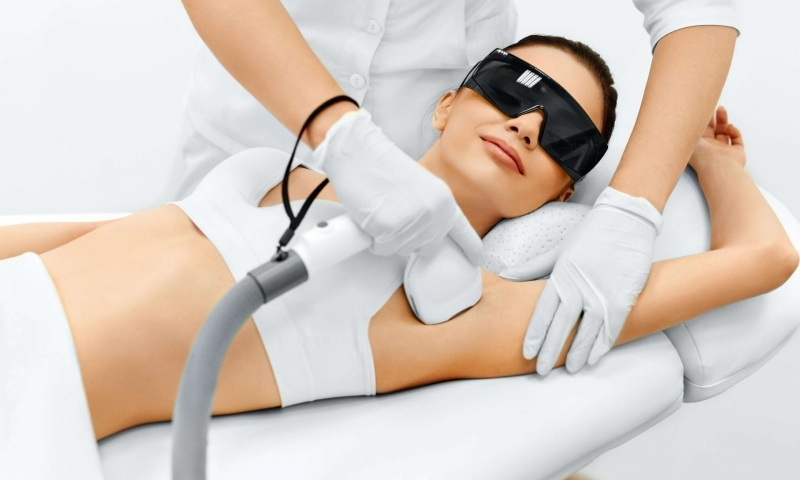

Waxing after ice laser refers to removing unwanted hair with waxing after a laser epilation procedure. Laser epilation is a technology used to reduce hair growth, and ice laser is one of the latest advancements in this field. It offers a more comfortable experience by minimizing skin discomfort. However, hair may not completely disappear after laser treatment, and waxing can be used to remove any remaining hair.
It is not recommended to perform waxing immediately after an ice laser session. The skin needs time to recover and regain its balance. This recovery period may vary from person to person. Before waxing, it is important to consider skin sensitivity and follow professional advice. Clinics such as Ankara Life Polyclinic can provide guidance on proper timing and techniques.
There are some opinions suggesting that waxing after laser epilation may help reduce the speed of hair regrowth. However, this depends on individual skin type and treatment frequency. For the most accurate information, consulting a specialist is recommended.
Advantages of Waxing After Laser Epilation
There are several advantages to waxing after laser epilation. First, fine hairs that remain after laser treatment can be removed more easily with waxing. While laser significantly reduces hair, some thin hairs may still remain, and waxing helps remove them from the root for smoother skin.
Additionally, waxing removes dead skin cells, which can help the skin appear brighter and more refreshed. Regular waxing can improve the overall texture and appearance of the skin.
Over time, waxing may also contribute to reducing hair density and growth speed. When combined with laser epilation, these two methods can form an effective strategy for managing unwanted hair. However, results may vary depending on individual skin characteristics.
Differences Between Laser Epilation and Ice Laser
There are several differences between traditional laser epilation and ice laser. Ice laser uses a cooling mechanism during the procedure, making it more comfortable and reducing discomfort.
Traditional laser devices typically use higher heat to target hair follicles, which may cause redness or sensitivity in some individuals. The cooling system in ice laser helps minimize these effects, making it suitable for sensitive skin types.
Another advantage of ice laser is that it can treat larger areas more quickly, reducing session times. This can be particularly beneficial for individuals with busy lifestyles.
Skin Care After Ice Laser Treatment
Proper skin care after ice laser treatment is essential to maintain healthy skin and prevent irritation. First, keeping the skin moisturized is important to maintain hydration and reduce sensitivity. Water-based moisturizers are often recommended.
Sun protection is another key factor. Since the skin becomes more sensitive after the procedure, using high-SPF sunscreen helps protect against UV damage and prevents pigmentation.
It is also recommended to avoid hot showers and harsh products for a few days after the treatment. Gentle care supports faster healing and reduces the risk of irritation.
Things to Consider Before Waxing After Ice Laser
If you plan to wax after an ice laser session, there are several important points to consider. First, allow the skin enough time to fully recover before performing waxing.
It is important to choose skin-friendly and hypoallergenic waxing products to minimize irritation. If you notice redness or sensitivity, it is best to postpone waxing and consult a specialist.
After waxing, moisturizing the skin and protecting it from the sun are essential steps. Soothing creams can help reduce irritation. Professional centers such as Ankara Life Polyclinic can provide personalized recommendations to ensure safe and effective care.
 Call
Call
 Whatsapp