


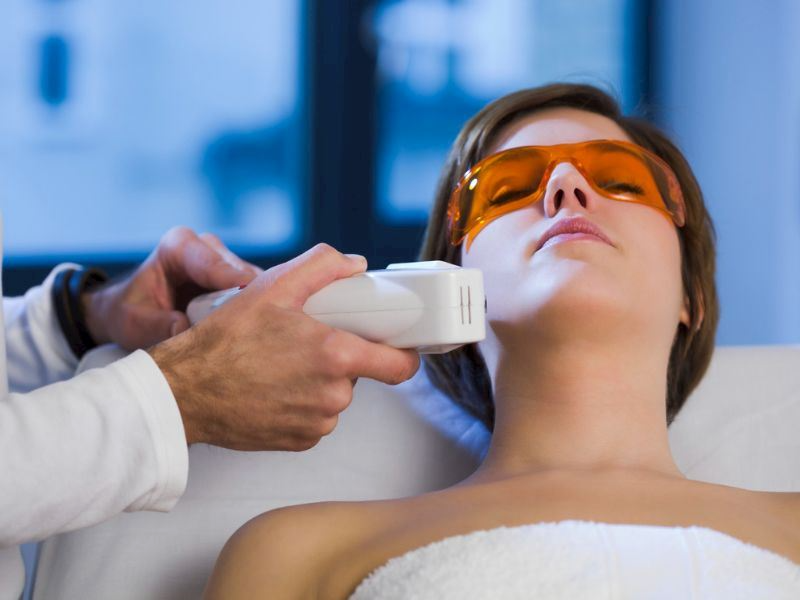

Peach fuzz on the face can be considered an aesthetic concern for many individuals. These fine hairs usually appear due to genetic factors, hormonal changes, and aging. Genetic predisposition may determine a person’s tendency for facial hair, causing it to be more noticeable in some individuals compared to others. Hormonal changes, especially during puberty, pregnancy, and menopause, can also affect hair growth.
Hormonal imbalances may also increase facial hair. Conditions such as polycystic ovary syndrome (PCOS) can alter hormone levels and lead to increased hair growth. In such cases, consulting a specialist for hormonal treatment may be necessary.
Additionally, skincare habits can influence the visibility of these hairs. Harsh cleansers or certain cosmetic products may increase skin sensitivity and make hair more noticeable. Therefore, using gentle and suitable skincare products is important.
Methods to Remove Peach Fuzz
There are various methods available to get rid of peach fuzz. One option is using hair removal creams. These products remove hair from the surface of the skin and provide a temporary solution. However, they should be used carefully as they may cause irritation on sensitive skin.
Another method is removing hair with threading or tweezers. This method pulls hair from the root, providing longer-lasting smoothness. However, it can be time-consuming and may cause redness, especially on sensitive skin.
For those seeking a more long-term solution, laser hair removal is a popular option. This method targets hair follicles and significantly reduces regrowth over time. However, results may vary depending on the individual’s skin and hair type.
Which Laser Methods Are Suitable for Fine Hair?
For fine hair, diode laser is one of the most effective options. It works with lower energy levels and can target fine hair while minimizing skin irritation, making it suitable for sensitive skin.
Another option is the Nd:YAG laser, which can penetrate deeper layers of the skin and may be effective for different skin types. It is considered a safe alternative for reducing fine hair.
Alexandrite laser is also commonly used and can provide effective results, especially on larger areas due to its fast scanning capability. However, the most suitable laser method should be determined by a specialist based on skin type and hair structure.
Advantages and Disadvantages of Laser Hair Removal
Laser hair removal offers several advantages, including long-term reduction of hair growth and smoother skin. After a few sessions, a noticeable decrease in hair can be observed, making daily grooming easier. It can also reduce ingrown hairs and minimize skin irritation.
However, there are some disadvantages to consider. The procedure may be costly, especially since multiple sessions are required. Temporary redness or sensitivity may also occur after treatment, depending on the individual’s skin type.
Although laser hair removal is often considered a long-term solution, complete hair removal is not always guaranteed. Hormonal changes or genetic factors may cause hair to regrow. Therefore, it is important to maintain realistic expectations.
Things to Consider Before and After Laser Hair Removal
Before laser hair removal, proper skin preparation is essential. The skin should be clean and free of makeup, creams, or perfumes. It is also important to avoid sun exposure for a few weeks before the procedure and to use protective skincare products.
After the procedure, gentle skincare is crucial. The skin may become slightly sensitive, so it should be protected from sunlight and kept moisturized. Using sunscreen helps protect the skin from external factors and supports the healing process.
Additionally, proper post-treatment care should be maintained. Using suitable moisturizers and avoiding hot showers or irritating products for a few days can help the skin recover more quickly.
Frequently Asked Questions About Laser Hair Removal
Is laser hair removal painful?
Most people experience a mild stinging or burning sensation during the procedure, but it is generally tolerable and minimized with cooling systems.
How long does a session take?
The duration depends on the size of the treated area. Facial areas usually take a short time, while larger areas such as legs require longer sessions.
How many sessions are needed?
The number of sessions varies depending on factors such as skin type, hair color, and thickness. Typically, 6–8 sessions are recommended, but this may vary for each individual.
By understanding these methods and considerations, individuals can choose the most suitable approach to reduce peach fuzz effectively and safely.
 Call
Call
 Whatsapp