


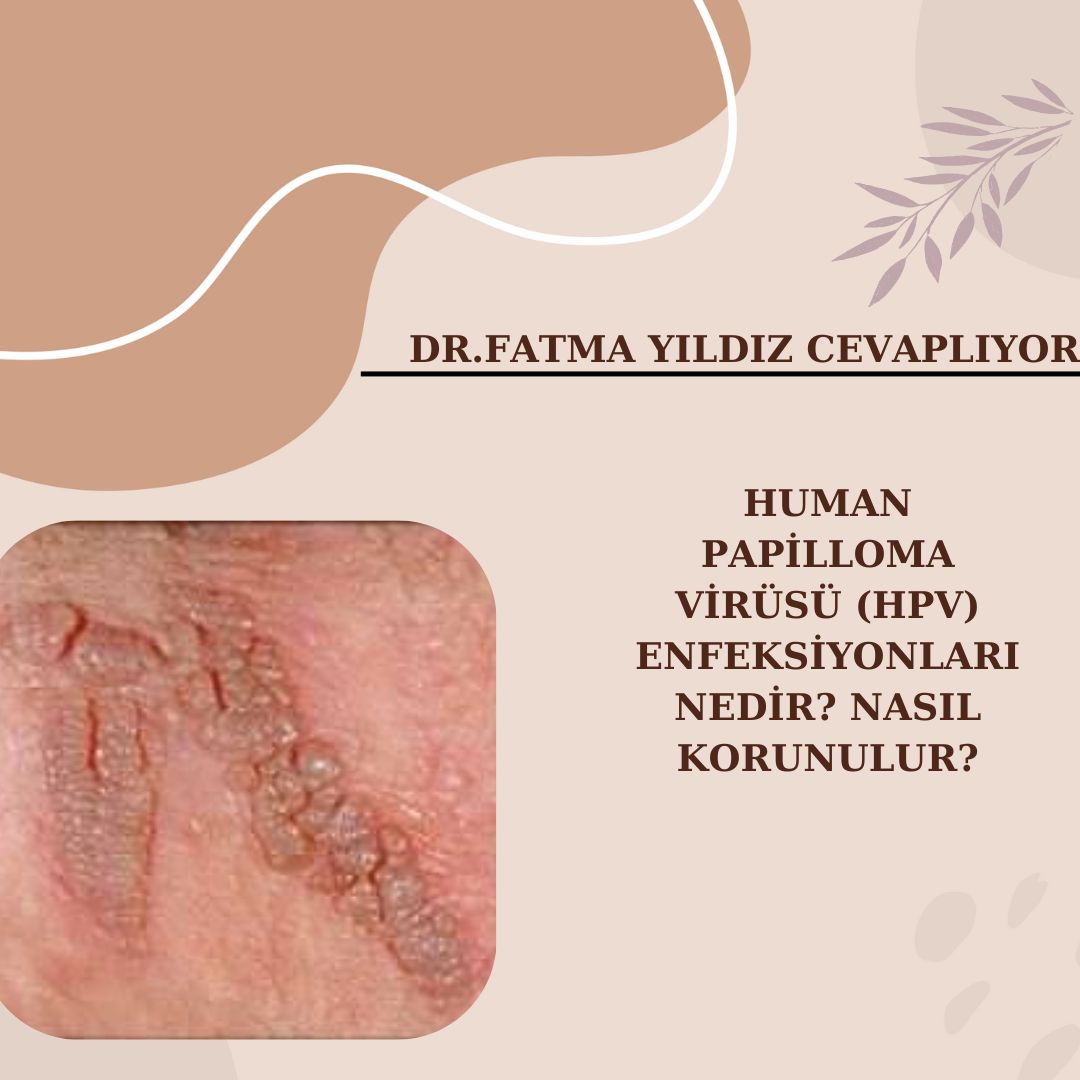

What are Human Papillomavirus (HPV) Infections and How to Protect Yourself from Them?
Human papillomavirus (HPV) is a very common virus that affects the skin and mucosa. It is usually transmitted sexually and can cause lesions such as warts and verrucas in infected individuals. Some types of HPV have been associated with cervical cancer and some other types of cancer. Today, it is possible to protect against high-risk types thanks to HPV vaccines.
HPV infections are one of the most common viral infections worldwide. Most people encounter HPV at least once in their lives. The virus can remain in the body for a longer time and cause significant symptoms, especially in people with weakened immune systems. In individuals with strong immune systems, the body can clear the virus over time.
HPV begins to multiply after entering infected cells and can lead to abnormal cell formation on the skin surface. While low-risk HPV types usually cause benign warts, high-risk types can cause cellular changes that can lead to cancer. HPV-16 and HPV-18 in particular are strongly associated with cervical cancer.
The virus is usually transmitted through sexual contact. However, some types can also be spread through direct skin contact. Shared towels, razors, or public showers and pool areas can facilitate the transmission of the virus. Although HPV infections are most commonly seen in sexually active individuals, the disease can be more severe in people with weak immune systems.
The symptoms of HPV infections can vary depending on the type of virus and the person's immune system. It is often asymptomatic and the person may carry the virus without realizing it. However, some people may develop genital warts, skin lesions, or abnormal cellular changes. Genital warts are soft and raised, and can sometimes cause itching or mild pain.
HPV is usually diagnosed through clinical examination, biopsy, or special laboratory tests. The Pap smear test, which is used in cervical cancer screening, is an important method for detecting abnormal cellular changes. HPV DNA tests can also be used to confirm the presence of the virus.
Vaccination is one of the most effective methods to prevent HPV infections. HPV vaccines protect against high-risk types in particular and are recommended at a young age. Vaccination can help prevent cervical cancer as well as other types of HPV-related cancer.
The treatment of HPV infections depends on the type of virus and its symptoms. There are various medications and treatment options such as cryotherapy (freezing). However, the virus cannot be completely eliminated from the body. The immune system can suppress the virus, but in some cases, the infection can remain silent for years and then reactivate.
Regular doctor check-ups, safe sexual intercourse methods and vaccination are of great importance to protect against the serious consequences of HPV. Early-detected abnormal cellular changes can be treated to prevent cancer development. Therefore, HPV screening tests play a vital role, especially for women.
 Call
Call
 Whatsapp