


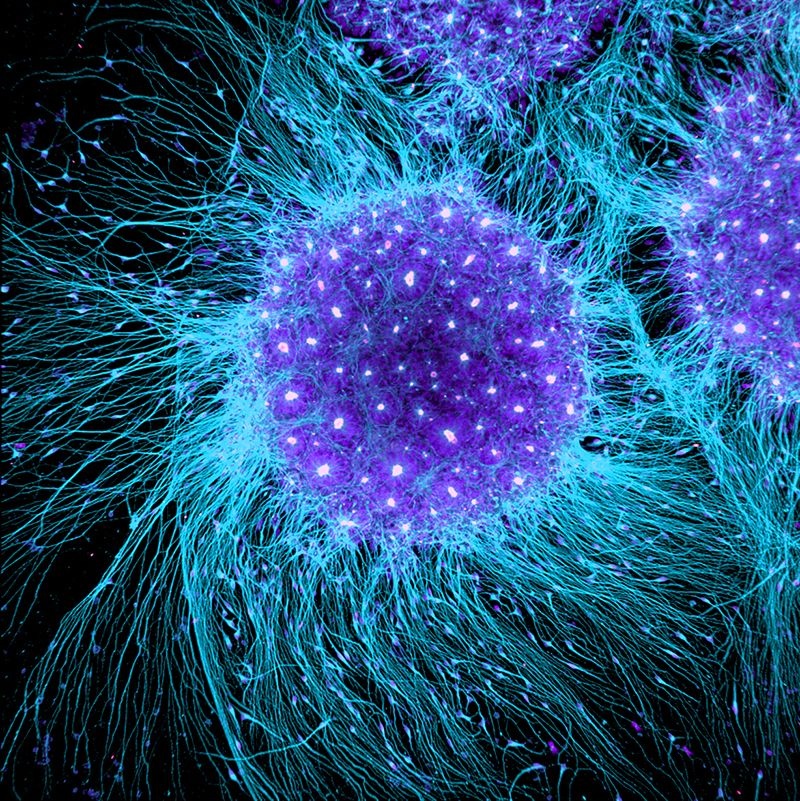

What are Stem Cells?
Stem cells are special cells that have the potential to transform into other types of cells in our body. Their most important feature is their ability to renew themselves and transform into the required tissue. In other words, they can transform into cells specific to that area to repair a damaged area and initiate a natural repair process in the body. For this reason, stem cells have become a method that has been frequently used in medicine in recent years and is promising in many treatment areas.
Embryonic Stem Cells
These stem cells are obtained in the first days of the embryo developing from the fertilized egg. They are versatile; in other words, they can transform into almost any type of cell in the body. However, their use in medical applications is limited due to ethical discussions.
Adult (Adult) Stem Cells
Adult stem cells are cells that are found in our body after birth and serve to repair damaged tissues. They are found in many areas such as bone marrow, fat tissue, and muscle tissue. They are one of the most used and safe types.
Mesenchymal Stem Cells
They are usually obtained from fat tissue, bone marrow or umbilical cord. They have the potential to transform into tissues such as muscle, bone, cartilage and skin. They are often preferred in aesthetic applications and orthopedic treatments.
Induced Pluripotent Stem Cells (iPS)
These cells are obtained by genetically reprogramming normal body cells in a laboratory environment. They can behave like embryonic cells, meaning they can transform into many cell types. These cells, which are still in the research phase, are being used in promising studies.
Cord Blood Stem Cells
They are stem cells obtained from the umbilical cord and placenta after birth. They are especially preferred in the treatment of some blood diseases. It is possible to store and use them in the future if needed.
Conclusion
Stem cells are extraordinary cells that represent the body's natural repair mechanism. Each type has its own advantages. Which stem cell to use should be evaluated by a specialist physician according to the person's needs, age, health status and treatment goals.
 Call
Call
 Whatsapp