



What is a Stem Cell?
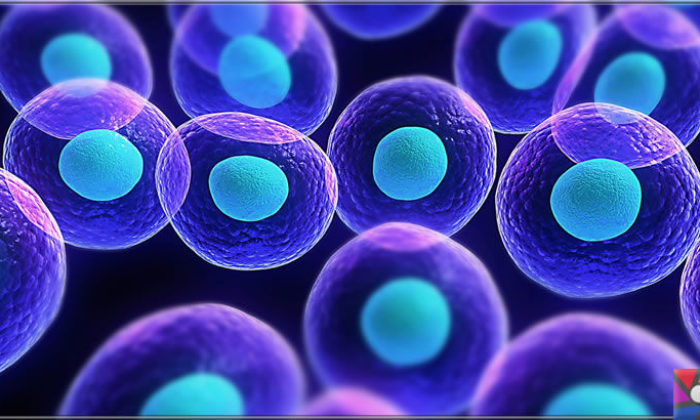
Stem cells are the basic cells from which all other cells in our body are formed. These cells, which are not yet fully specialized, have the ability to transform into the required tissue or organ. Thanks to these features, they are seen as a great source of hope in the medical world in the repair and renewal processes.
Self-Renewal Feature
The most striking feature of stem cells is their ability to divide and create their own copies. In this way, they maintain their numbers and are ready to produce new cells when necessary. They are long-lived and can be reactivated to support damaged tissues.
Ability to Transform into Different Cell Types
Another important feature of stem cells is their capacity to transform into different cell types. For example; a stem cell can transform into a skin, muscle, nerve or bone cell under suitable conditions. This transformation makes it possible to produce new cells in medical treatments.
Contributes to Repair and Renewal in the Body
Stem cells can serve as repair cells in damaged areas. In this way, it becomes possible to reduce the signs of aging, repair tissue losses and alleviate some chronic diseases. They support the body's own healing potential.
Natural and Personalized Treatment Opportunity
Since cells taken from the person's own body are generally used in stem cell treatments, there is no risk of tissue rejection. This makes the treatment a safer and more natural option. Special planning can be made for each individual's needs.
Conclusion
These unique features carried by stem cells have opened the door to revolutionary applications in modern medicine. They are widely preferred for purposes such as increasing the response to treatment, accelerating the healing process and delaying aging. However, a specialist physician's evaluation is absolutely necessary before the application.
 Call
Call
 Whatsapp