


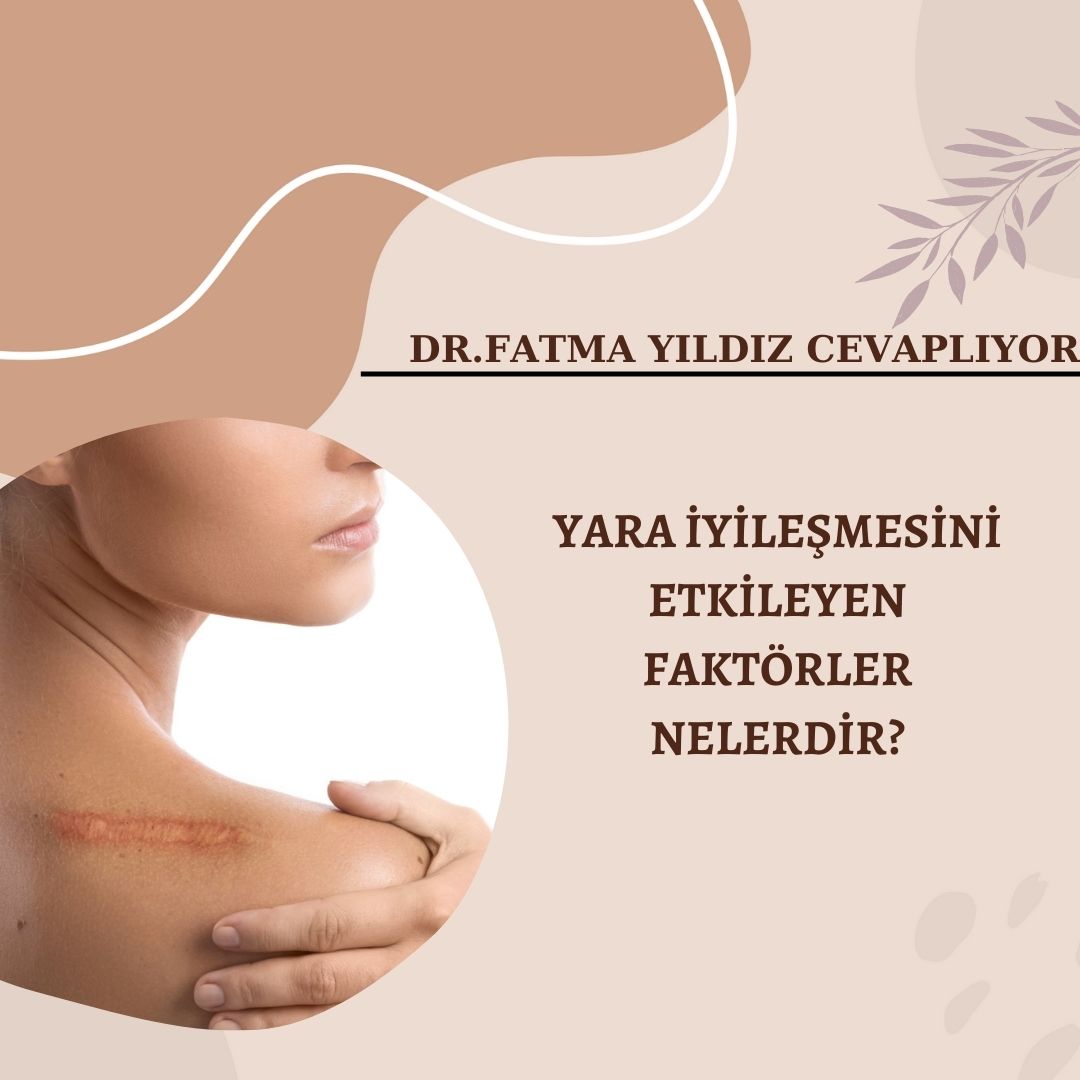

WHAT ARE THE FACTORS THAT AFFECT WOUND HEALING?
Wound healing is part of the body's self-repair mechanism and occurs through the coming together of many biological processes. While small cuts and scrapes heal quickly, deep and large wounds may take longer to close. Different systems of the body come into play during wound healing and this process may be positively or negatively affected by some factors.
AGE
As the human body ages, the capacity of cells to renew themselves decreases. While wounds close more quickly in young individuals, this process may take longer in the elderly. This is due to the decrease in skin elasticity, weakening of the immune system and slowing of blood circulation. As we age, the skin's collagen production decreases, which can cause scars to become more visible.
NUTRITION
The body needs proteins, vitamins and minerals to heal healthily. Proteins, in particular, are necessary for tissue repair and new cell formation. Vitamin C accelerates wound healing by supporting collagen production, while zinc contributes to cell renewal. Inadequate nutrition can slow down wound healing and increase the risk of infection.
CIGARETTE AND ALCOHOL USE
Smoking causes blood vessels to narrow, making it harder for oxygen and nutrients to be transported to the wound area. This can lead to a longer healing process and an increased risk of infection. Alcohol can also negatively affect wound healing by weakening the immune system. It has been observed that wounds heal more slowly and leave larger scars in individuals with chronic alcohol use.
SYSTEMIC DISEASES
Chronic diseases such as diabetes, hypertension and cardiovascular diseases can significantly slow down wound healing. Poor blood circulation in individuals with diabetes can delay wound closure and increase the risk of infection. In addition, wounds can become infected more easily because the immune system is weakened.
INFECTION
When a wound becomes infected, the healing process slows down significantly. Bacteria constantly stimulate the immune system, preventing the body from focusing on healing. Infected wounds are usually red, swollen and painful. The risk of developing infection increases when proper hygiene is not provided and the wound is not well protected.
TISSUE OXYGENATION
Oxygen is necessary for healthy cell proliferation and formation of new tissues. In individuals with impaired blood circulation, sufficient oxygen may not reach the wound area, which delays healing. In individuals with vascular diseases in particular, wounds may have difficulty closing due to lack of oxygen.
LOCAL FACTORS
The size and depth of the wound are among the most important factors determining healing time. While small cuts and superficial wounds close faster, large and deep wounds may take longer to heal. Surgical interventions, stitches and dressings applied to the wound may also affect the healing process.
GENETIC FACTORS
Everyone's body heals at a different rate, and in some individuals, scars may become more visible due to genetic predisposition. Keloid and hypertrophic scar formation are associated with genetic factors. While wounds heal without leaving a scar in some individuals, more visible scars may occur in others.
CONCLUSION
Wound healing is affected by many factors and occurs differently in each individual. Healthy eating, avoiding smoking, good wound care and keeping chronic diseases under control can speed up the healing process. To protect against infections, hygiene rules should be followed and the wound area should be cleaned regularly. Knowing the factors that support the wound healing process will both provide a faster healing process and help to make scars less visible.
 Call
Call
 Whatsapp