


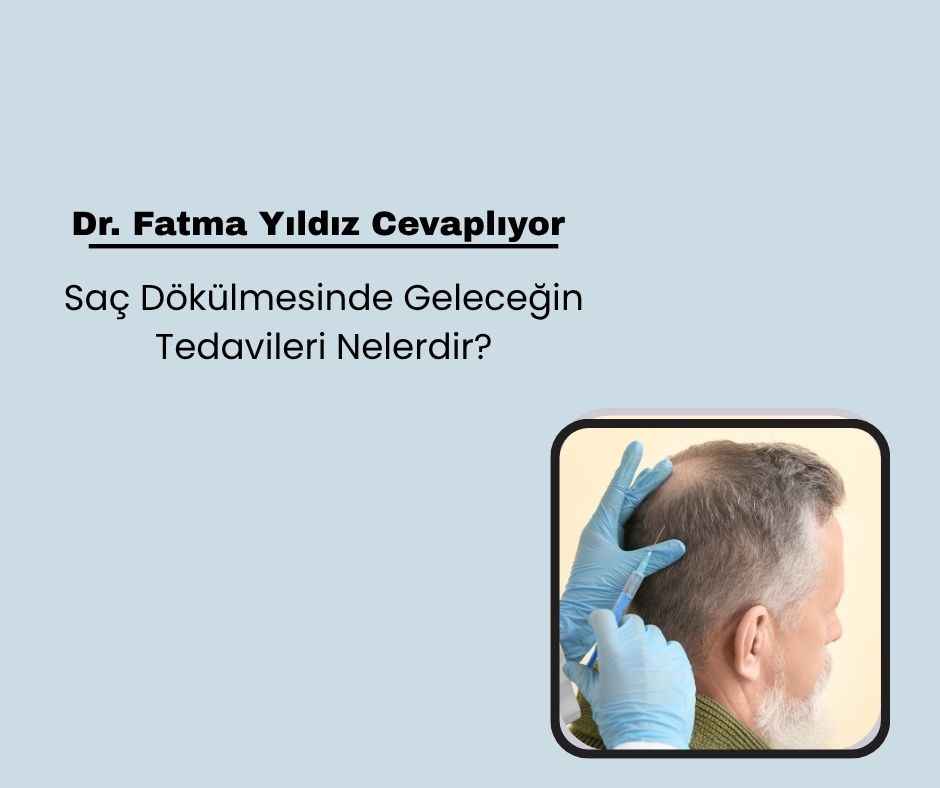

What Are the Future Treatments for Hair Loss?
Stem Cells, Exosomes and Fat Cells
Hair loss is an important aesthetic and psychological problem that can be encountered in every age group, regardless of whether it is a woman or a man. In addition to traditional treatment methods, new groundbreaking treatment options have been developing in the scientific world in recent years. In this article, we will take a look at treatments obtained from stem cells, exosomes and fat cells, which are promising in the treatment of hair loss.
Stem Cell Applications
Stem cells are special cells that have the potential to transform into different cells in the body. They are used in the treatment of hair loss, especially to trigger tissue regeneration. Stem cells are usually obtained from the person's own fat tissue or bone marrow. These cells are injected into the hair follicles, aiming to repair damaged tissue in that area and revitalize hair production. Studies show that stem cell treatment can increase hair density and quality.
Exosome Treatments
Exosomes are small particles that provide communication between cells and carry growth factors, cytokines and genetic materials. In the treatment of hair loss, exosomes are used especially to reactivate hair follicles and reduce inflammatory processes.
In this treatment, exosomes obtained in a laboratory environment are applied to the scalp with the help of micro needles. This application can reduce hair loss by extending the hair cycle and support hair growth. Exosome applications can provide effective results especially in common conditions such as androgenetic alopecia (male pattern hair loss).
Treatments Obtained from Fat Cells (SVF)
Fat tissue is not a tissue used only for aesthetic purposes. It is also very rich in cells that trigger tissue regeneration thanks to the "stromal vascular fraction" (SVF) it contains. SVF contains stem cells, growth factors and various regenerative cells. Fat tissue taken with liposuction is separated by special processes and then injected into the scalp.
This method offers an alternative option especially for patients resistant to other treatments. SVF treatment can improve hair quality, strengthen weak hair follicles and slow down the hair loss process.
Where Are Scientific Developments Going?
Research in this area is still ongoing and most treatments are still in the experimental stage. However, current findings show that biological treatments such as stem cells, exosomes and SVF are effective and safe options in combating hair loss. Creating a treatment plan according to your personal characteristics and the type of hair loss is critical in this process.
If you are also struggling with hair loss and are not getting results from classic methods, you can consult your dermatologist for new generation biological treatment options.
Remember: As science progresses, solutions also develop. Getting your hair back is no longer a dream.
Fatma Yıldız - Dermatology Specialist
Ankara Life Polyclinic
 Call
Call
 Whatsapp