



What Are the Medical Treatment Methods for Rosacea?
Medicines, Process and Tips
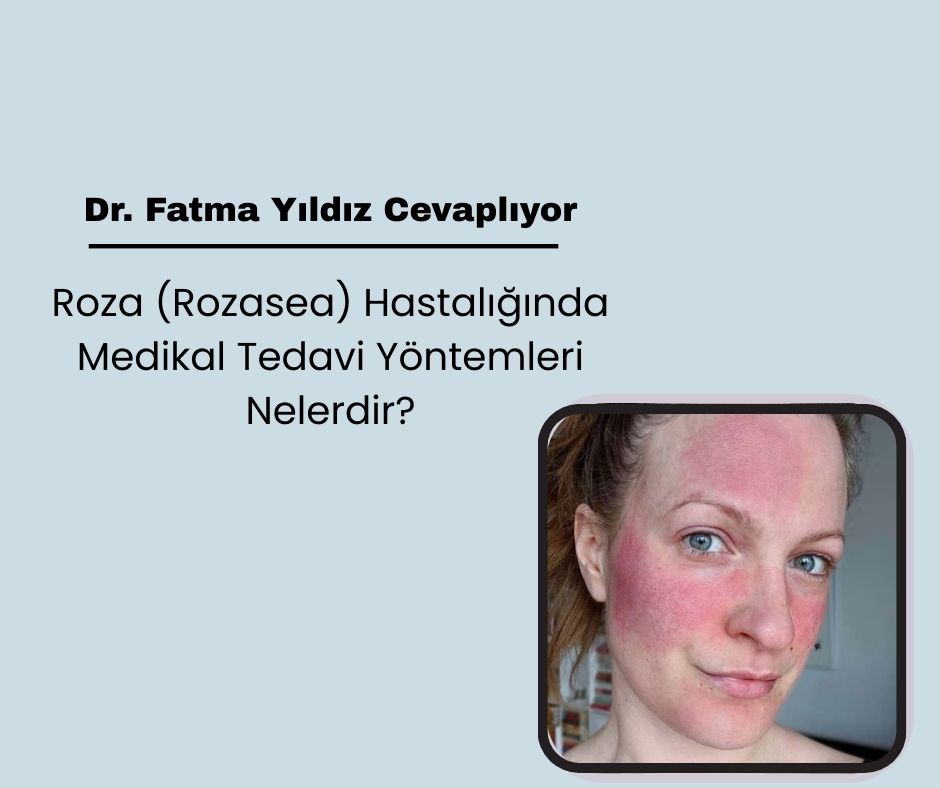
Rosa disease (medically known as rosacea) is a chronic skin disease that manifests itself with symptoms such as permanent redness, vascular dilatations, inflamed pimples and thickening of the skin, especially on the nose, cheeks, forehead and chin.
The treatment of this disease requires patience; because both the type and severity of the disease vary from person to person. Treatment is determined according to the severity, type and effect of the disease on the person's quality of life.
Medicines Used in Rosacea Treatment
Topical (Skin-Applied) Medicines
The main topical medicines used in FDA-approved rosacea treatment are as follows:
Metronidazole
Azelaic Acid
Sodium Sulfacetamide
Ivermectin
Brimonidine
Oxymetazoline
These medicines reduce inflammation of the skin, relieve redness and prevent the formation of new lesions.
Metronidazole is particularly effective in inflammatory lesions and is well tolerated by the skin.
Azelaic acid reduces both inflammation and skin sensitivity, and is also effective against microbial overgrowth.
Sodium sulfacetamide can be used for both rosacea and associated conditions such as seborrheic dermatitis.
Alpha-agonist drugs such as brimonidine and oxymetazoline quickly reduce facial redness. However, these drugs do not eliminate persistent vein appearance such as vascular dilation (telangiectasia).
Systemic (Oral) Drugs
The only systemic treatment approved by the FDA is
Low-dose doxycycline (40 mg modified-release capsule, once daily).
Doxycycline both reduces inflammation and prevents bacterial overgrowth.
In severe cases, antibiotic therapy may be given in conjunction with topical treatments.
In addition, in resistant cases or in severe rosacea cases with nodules and plaques:
Antibiotics such as tetracycline and minocycline,
Isotretinoin (especially if skin thickening has begun) can be used.
Treatment Duration and Follow-up
Rosa is a chronic disease, so the effect of treatment does not appear in a short time.
The first check-ups are usually done 2-4 weeks after starting treatment.
If a good response is obtained with topical treatments, treatment should be continued for 6-8 weeks.
In maintenance treatment, topical metronidazole and azelaic acid can be used for up to 6 months to prevent relapse of the disease.
Systemic treatments such as doxycycline can also be used safely for up to 9 months.
However, when high-dose antibiotics are used for a long time, the risk of bacterial resistance arises. Therefore, antibiotics should be used for the shortest possible time (2-4 months).
Topical Treatment Details
Metronidazole:
This cream/gel, which has been used safely since the 1950s, reduces facial redness and inflammation. It is available in 0.75% and 1% forms.
Azelaic Acid:
A natural acid with antioxidant and anti-inflammatory effects. It is available in 15% gel and 20% cream forms. It may cause a slight burning sensation at the beginning of the treatment, but this passes over time.
Sodium Sulfacetamide:
It is especially suitable for patients with both rosacea and seborrheic dermatitis problems. It reduces redness and inflammation on the skin.
Brimonidine:
It is a fast-acting gel applied once in the morning. It significantly reduces redness on the face 30-60 minutes after use.
Oxymetazoline:
This newly approved cream also reduces redness and soothes the skin. It has fewer side effects than Brimonidine.
Ivermectin:
It is effective against microscopic parasites such as Demodex mites. It also reduces inflammation on the skin.
Systemic Treatment Details
Doxycycline:
When used in low doses (40 mg), it both reduces inflammation and reduces the risk of developing resistance in long-term use.
Isotretinoin:
It is used in low doses (10-40 mg/day) especially in patients with thickening of the nose and face. However, it should definitely not be used during pregnancy because it has a teratogenic (congenital anomaly-causing) effect.
Beta Blockers:
Low dose propranolol or carvedilol can be used especially for facial redness triggered by stress.
Laser and Cautery Treatments
If there are significant vascular dilatations (telangiectasis) on your face, these vessels can be targeted and destroyed with laser or cautery treatments.
However, laser treatments usually require several sessions.
Important Tips for Patients
It is absolutely necessary to protect from the sun. Physical protectors containing SPF 50 and above, zinc oxide or titanium dioxide should be preferred.
Keeping the skin moist reduces sensitivity and contributes to the treatment.
Irritant products (alcohol, perfume, menthol, soap) should be avoided. Staying away from stress and avoiding triggering factors helps keep the disease under control.
 Call
Call
 Whatsapp