


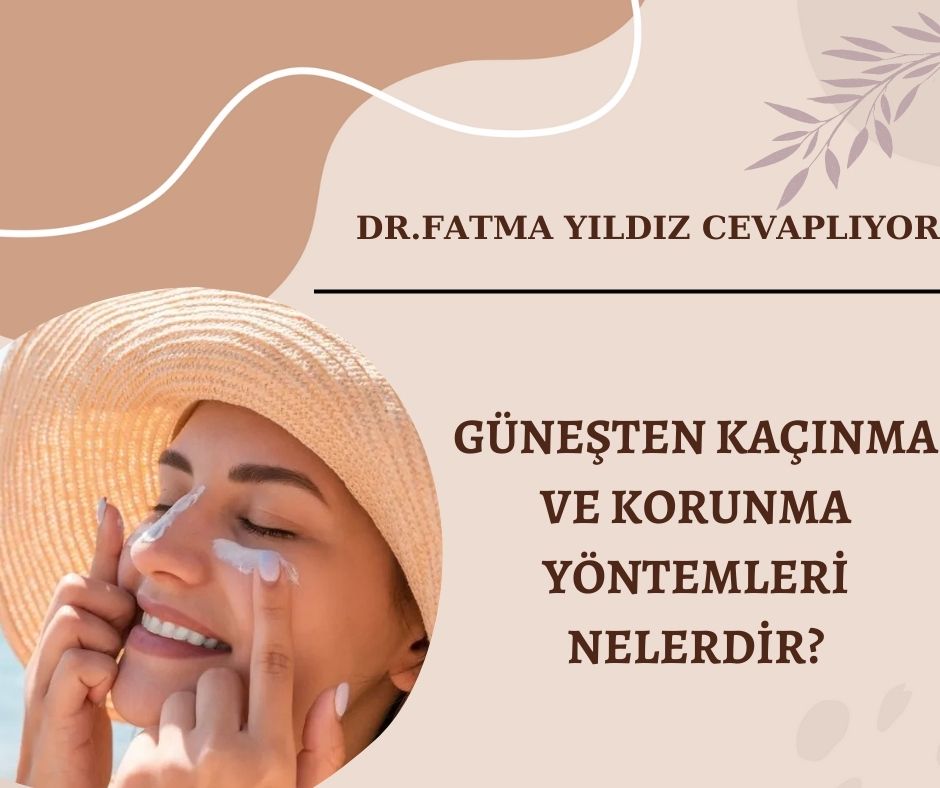

What are the methods of sun avoidance and protection?
Avoiding the Sun: The sun's rays are most intense during the midday hours of summer, and 50-60% of total UV radiation is received during the middle of the day for four hours. Staying indoors during the midday hours, especially in tropical regions, greatly reduces sun exposure.
Shade
Shade is an effective way to protect from the sun. Trees and artificial shade also provide protection from rain and wind. However, the level of protection provided by shade depends on how much of the sky it blocks. The protection factor of an individual tree varies depending on the density of the tree's leaves and can range from 4 to 50.
Clothing and Hats
Clothing provides strong protection from the sun's rays. Sun-protective clothing is measured by its Ultraviolet Protection Factor (UPF). Most summer clothing has a UPF of 15 or higher. Factors that affect clothing protection include the texture, color and wetness of the fabric. Wide-brimmed hats protect the face, while Legionnaire hats provide better protection for the neck and ears.
Sunscreen Products
Sunscreens are considered an important measure to reduce the risk of skin cancer. However, laboratory-determined SPF values may not be fully achieved with daily use. People often apply a thinner layer than recommended, which reduces the level of protection. For example, an SPF 15 product may only provide SPF 5 protection in practice due to the application technique.
While sunscreens are water-resistant, they are not resistant to friction. Therefore, it is important to remember to cover areas such as the ears and neck and to reapply frequently.
Sunscreen Reapplication and Results
Reapplication of Sunscreen
The main reason for reapplying sunscreen is to compensate for missing or lost protection. The effectiveness of the sunscreen is reduced by water, towel use, clothing or friction. Even today's water-resistant sunscreens lose their effectiveness over time.
Inadequate use is a common problem; the recommended thickness of 2 mg/cm² is often not fully applied. Therefore, users should be encouraged to apply sunscreen in two layers rather than applying it generously in one go. Just as two coats of paint are better when painting a wall, applying two coats of sunscreen provides better protection.
Conclusions
There are several methods available to protect from the sun:
• Sunscreen: SPF values are tested in laboratory conditions, but it is difficult to provide the expected protection in the real world. The effectiveness of the protection depends on correct and frequent application.
• Clothing: This is one of the most effective methods of sun protection. The vast majority of summer clothing provides 10 times or more protection.
• Shade: Natural and artificial shade reduces exposure to direct and diffuse UV rays. Effective shade can provide 20 times or more protection.
• Sun Avoidance: Staying indoors during midday, especially in tropical regions, significantly limits sun exposure.
A combination of these strategies provides the best sun protection.
 Call
Call
 Whatsapp