


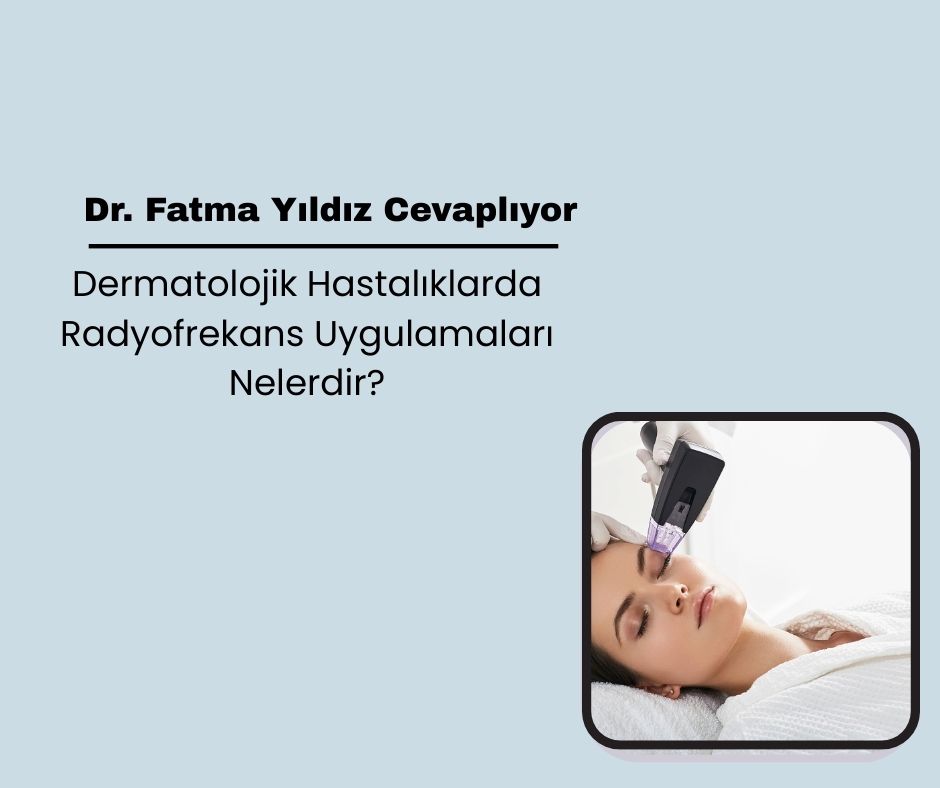

What are the Radiofrequency Applications in Dermatological Diseases?
A New Generation Solution for Acne, Scar and Rosacea Treatment
The aesthetic and psychological effects of skin health problems are undeniable. Common dermatological diseases such as acne vulgaris, acne scars and rosacea can seriously affect the quality of life. In recent years, interest in non-surgical, safe and effective treatment methods has increased. One of the prominent methods among these methods is radiofrequency (RF) applications.
What is Radiofrequency Technology?
Radiofrequency is a technology that converts electrical energy into heat by giving it to tissues. Thanks to the targeted heat increase in the lower layers of the skin, collagen production is triggered, fibroblast activity increases and dermal restructuring begins. Radiofrequency treatments offer a comfortable alternative for many patients due to their non-invasiveness (i.e., they do not require surgical procedures).
Acne Vulgaris and Radiofrequency
Acne is a common inflammatory skin disease that begins especially in adolescence and continues into adulthood in some individuals. Radiofrequency applications are used in acne treatment to both reduce active lesions and prevent new lesion formation by suppressing sebaceous gland activity.
What does scientific data say?
Over 80% success can be achieved with RF applications in individuals with moderate-severe acne.
A reduction of up to 90% in inflammatory lesions has been reported with the fractional microneedle RF (FMR) method.
RF treatment reduces sebum production, calms inflammation in the hair follicle and renews skin tissue.
The Place of Radiofrequency in Acne Scars
Scars (cicatrices) that develop after acne can lead to permanent aesthetic problems and psychological stress in the individual. RF treatments initiate a controlled wound healing process under the skin, increase collagen production and reduce the appearance of atrophic scars.
Why is RF preferred?
It does not affect skin tone compared to laser treatments.
It can be applied safely on all skin types.
The recovery period is shorter.
Side effects such as pigmentation and infection are less common.
Radiofrequency in Rosacea Treatment
Rosacea is a chronic inflammatory skin disease characterized by permanent redness, papules and pustules on the face. RF applications are a valuable alternative, especially in cases where antibiotic resistance is increasing and systemic treatments may be risky.
Rosacea treatment with fractional microneedle RF:
Positive results have been obtained in patients with papulopustular rosacea.
Symptoms such as itching, burning and a feeling of warmth have regressed.
RF treatment has been observed to be more effective in the inflammatory type than in the erythrotelangiectatic (vascular) type.
Treatment Process and Side Effects
RF treatments are usually planned as several sessions. A slight redness, edema or burning sensation may be observed after the application. These effects are usually short-term and go away on their own.
Other Areas of Use of Radiofrequency
RF applications are not limited to acne and rosacea. It is also successfully used in the treatment of striae distensae (cracks), keloid and hypertrophic scars, hyperhidrosis (excessive sweating), and some benign skin lesions.
Conclusion: A Safe and Effective Method in Skin Rejuvenation
RF technology offers a non-surgical, effective and safe solution for skin rejuvenation and repair. It has gained an important place in the fight against chronic skin problems such as acne, scars and rosacea. With sessions planned specifically for the individual, long-term and satisfactory results can be achieved in skin health.
 Call
Call
 Whatsapp