


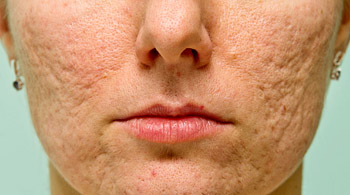

What Are Body Acne Symptoms?
Body acne is a skin problem that can usually be seen on the back, chest, shoulders, hips and even legs, in addition to the face. Although it is often caused by simple reasons, in some cases it can be a symptom of serious underlying health problems.
Common Causes of Body Acne
Many factors can contribute to the formation of body acne. These include hormonal changes, lack of hygiene, incorrect product use or genetic factors. However, in some cases, body acne can be a symptom of different diseases or health problems.
Hormonal Imbalances:
Acne formation on the body can increase, especially during hormonal fluctuations such as puberty, menstruation, pregnancy and menopause. An increase in testosterone levels causes the skin to produce more oil, which can lead to acne.
Polycystic Ovary Syndrome (PCOS):
This condition, which is seen in women and causes hormonal imbalances, usually manifests itself with stubborn acne on the back, chest and face. PCOS is also associated with symptoms such as irregular menstrual periods, weight gain, and hair growth.
Stress:
An increase in stress hormones can trigger the skin's oil production, causing acne. Acne, which is especially common on the back and shoulders, may be caused by stress.
Allergic Reactions:
Soaps, detergents, perfumes, or clothing materials that come into contact with the skin can cause skin irritation and acne. This condition, called allergic contact dermatitis, can also manifest itself with redness, itching, and swelling.
Dietary Habits:
Sugary, processed foods, and dairy products can cause acne on the body in some people. Acne, especially on the back and chest, can be directly related to the diet.
Medication Use:
Corticosteroids, antidepressants, or some hormonal medications can cause acne on the skin. This type of acne usually occurs as a side effect of the medication.
Lack of Hygiene:
Especially not taking a shower after sweating or not cleaning the skin enough can lead to clogged pores and acne formation. It is frequently seen in people who do sports on the back and shoulder areas.
Skin Infections:
Bacterial or fungal infections can cause acne-like inflammatory lesions on the body. This condition is usually accompanied by redness, pain or pus.
What Diseases Can Acne on the Body Be a Sign of?
In some cases, acne on the body can be a sign of underlying health problems. If acne is constantly recurring or severe, it is necessary to be careful.
Polycystic Ovary Syndrome (PCOS): Stubborn acne can be seen on the back and chest area, especially in women, due to hormonal imbalances.
Hidradenitis Suppurativa: It is a chronic skin disease that manifests itself with inflammatory acne-like lesions in the armpits, groin and hip areas.
Cushing Syndrome: It is associated with excessive production of the hormone cortisol. Stubborn acne may appear on the face, back and chest.
Diabetes: Insulin resistance or diabetes can cause acne by increasing the skin's oil production. Acne can be seen especially on the neck, back and chest area.
Allergic Contact Dermatitis: Acne-like rashes can be seen on the skin, especially as a result of an allergic reaction to certain products.
How to Get Rid of Body Acne?
It is important to apply the right care routine to get rid of acne on the body.
Skin Cleansing:
Washing the body regularly, especially after sweating, prevents pores from clogging. Body wash gels containing salicylic acid or benzoyl peroxide can be used.
Peeling:
Dead skin cells can be cleaned by peeling 1-2 times a week. This process helps prevent pores from clogging.
Proper Product Use:
It is necessary to avoid perfumed, oily or comedogenic (pore-clogging) products. Products that will not cause acne should be preferred, especially on the back and chest areas.
Sunscreen Usage:
Protect your skin by using non-comedogenic sunscreens. Sun rays can make acne scars more visible.
Balanced Diet:
Adopt a diet rich in vegetables, fruits and protein, staying away from sugary and processed foods.
Doctor Check-up:
If acne is constantly recurring or painful and inflamed, it is necessary to consult a dermatologist.
Conclusion
Although acne on the body is usually caused by simple reasons, in some cases it can be a sign of serious health problems. Applying the right skin care and determining the underlying cause is important in controlling acne. If your acne does not go away or increases severely, you should definitely consult a dermatologist.
 Call
Call
 Whatsapp