


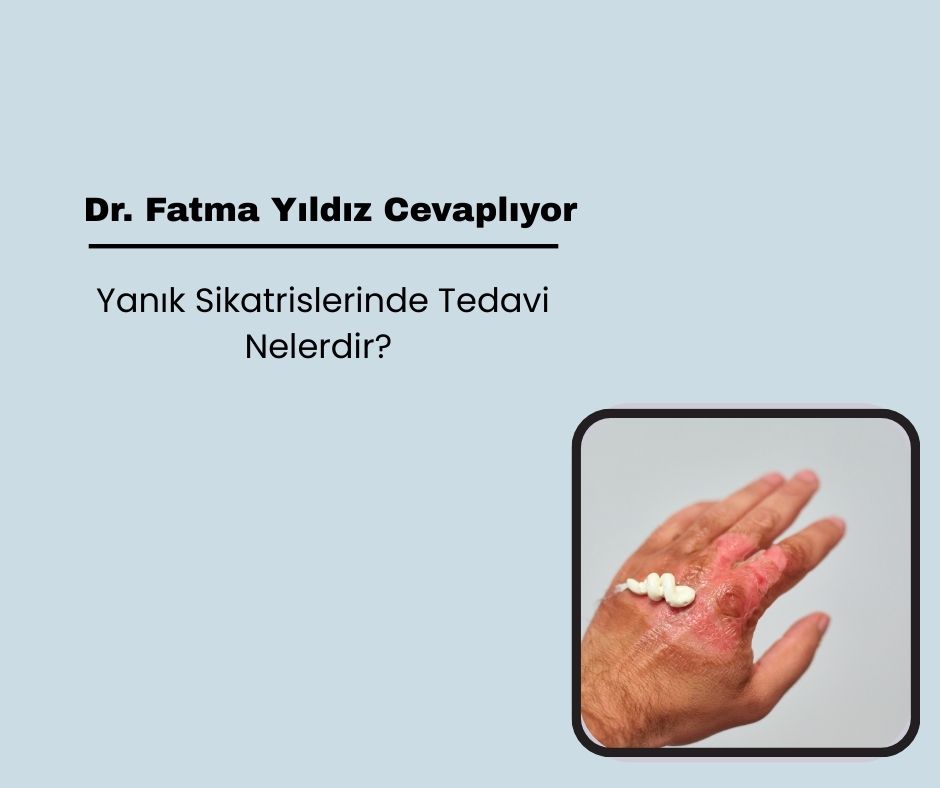

What are the Treatments for Burn Scars?
Wound Healing and Scar Formation
Wound healing is a complex mechanism that regulates the processes of tissue regeneration and wound closure. In humans, complete tissue regeneration is seen in fetal tissue, but not in adult skin. When the normal wound healing process is regular, the scar is thin and barely noticeable. However, if the healing process deviates from normal, an unwanted scar is formed.
Scars are generally divided into two as hypertrophic scars and keloids.
Hypertrophic scar: Hard, raised, limited to the area of injury, occurs within 4-8 weeks, and tends to regress over time.
Keloid scar: Occurs later, spreads outside the area of injury, shows irregular arrangement of collagen, and is usually permanent.
Both types of scars can cause pain, itching, and cosmetic problems.
Burn Damage and Scars
Burns, especially full-thickness burns affecting the deep dermis, can lead to hypertrophic and keloid scars. In burn patients, long hospital stays cause loss of muscle strength, limited joint movement, and a decrease in general fitness. Burn scars are common in children and adults and can cause serious deformations on the skin.
Dermatological Treatment Options
Various dermatological methods are used in the treatment of burn scars:
Pressure Therapy
Treatment with pressure garments reduces the thickness of the scar, improves its appearance, and relieves pain and itching. Pressures of 24 mmHg and above are recommended, but studies using 5-15 mmHg have also shown successful results. Pressure supports collagen regulation and prevents excessive activity of fibroblasts.
The disadvantage is that the garment requires long-term use (14-23 hours per day) and the garments lose pressure over time.
Silicone Gel Therapy
Silicone gels reduce evaporation by keeping the scar moist, optimize hydration of the stratum corneum, and limit scar tissue formation by inhibiting mast cell activity. In addition, the static electricity of the gel can positively affect collagen alignment.
It is a safe, non-invasive method that has been used for many years on burn scars.
Other Treatment Methods
Hydration and massage therapy
Ultrasound and electroacupuncture
Onion extract applications
Combined treatments (use of more than one method together)
Pressure Therapy Details and Mechanism of Action
Pressure therapy is thought to reduce erythema in the scar by reducing vascular flow, suppressing cell activity, and triggering apoptosis of fibroblasts. Higher pressures (>20-25 mmHg) have been proven to be more effective in reducing erythema. In addition, pressure can reduce scar stiffness and increase elasticity.
Conclusion
In the treatment of burn scars, it is important to understand the pathophysiology of wound healing and the mechanisms of scar formation. Pressure therapy and silicone gel use are the most frequently preferred and effective dermatological approaches. Long-term use and patient compliance affect the success rate of treatment.
 Call
Call
 Whatsapp